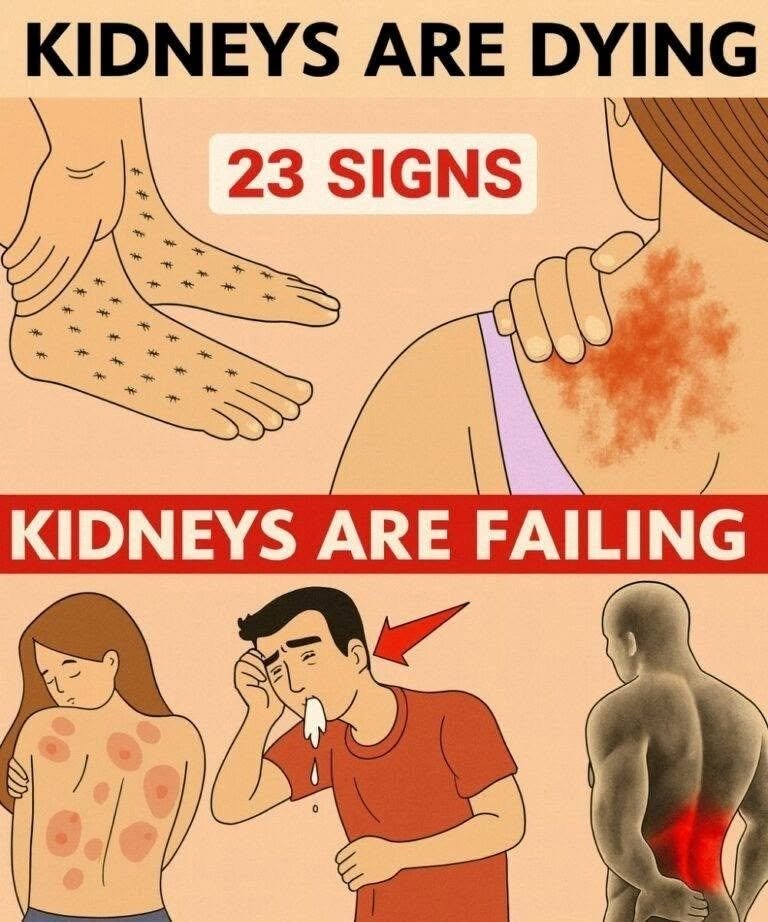
When wellness blogs and clickbait health articles publish sprawling lists like “23 Strange Signs Your Kidneys Might Be in Trouble,” they rely on a classic digital marketing trick: inflating an overwhelming number of common, everyday human discomforts—like mild fatigue, dry skin, or a restless night—and framing them as ominous portents of organ failure.
By taking vague, multi-causal symptoms and attributing them all to a single internal boogeyman, these listicles manufacture widespread health anxiety to drive clicks.
What Clickbait “Kidney Warning” Lists Get Wrong
-
The “Everything is a Symptom” Fallacy: To pad a list out to 23 items, clickbait articles lump together completely unrelated issues—such as minor eye twitching, seasonal dry skin, or ordinary post-workout soreness—pretending they are direct alarm bells for renal disease.
-
Ignoring Base Rates and Alternative Causes: Viral lists completely ignore the fact that common symptoms like fatigue or puffiness are vastly more likely to be caused by poor sleep, stress, dehydration, or allergies than by kidney pathology.
The Clinical Reality: Why Kidneys Are “Silent” Organs
Nephrologists and internal medicine physicians look at kidney health through a very different lens than internet listicles. The most critical clinical truth about chronic kidney disease (CKD) is that it is notoriously silent in its early and moderate stages.
Because the kidneys possess an enormous functional reserve, they can lose a substantial portion of their filtering capacity before a patient notices any physical changes at all. When clinical signs do eventually emerge as filtration drops significantly, they are driven by distinct, measurable physiological disruptions:
-
Fluid and Sodium Imbalance (Edema): When failing kidneys can no longer efficiently excrete excess sodium and water, fluid accumulates in the interstitial spaces, leading to noticeable, persistent swelling (oedema) in the lower extremities, ankles, or periorbital (eye) region.
-
Endocrine Failure (Anemia-Driven Fatigue): Healthy kidneys produce erythropoietin (EPO), a hormone that signals the bone marrow to manufacture red blood cells. As kidney function declines, EPO production drops, causing a true renal anemia that starves tissues of oxygen and results in profound, persistent exhaustion.
-
Glomerular Membrane Damage (Proteinuria): When the delicate microscopic filters of the kidneys (glomeruli) become physically damaged, they begin leaking larger blood proteins—like albumin—into the urine, which can visually manifest as unusually foamy or bubbly urine.
Objective Diagnostics: How Clinicians Actually Monitor Kidneys
You don’t diagnose kidney health by counting a random tally of 23 quirky body signs. Nephrologists rely on hard, reproducible data from routine clinical screenings:
-
Estimated Glomerular Filtration Rate (eGFR): Calculated from a simple blood draw measuring serum creatinine, eGFR provides a mathematical estimate of how well your kidneys are filtering waste.
-
Urine Albumin-to-Creatinine Ratio (uACR): A targeted urine test that checks specifically for microscopic protein leakage long before physical symptoms appear.
-
Blood Pressure Tracking: Because hypertension is both a primary cause and a direct consequence of vascular kidney damage, keeping blood pressure within target ranges is the cornerstone of renal protection.
The Bottom Line
Kidney health isn’t a guessing game played by cross-referencing a list of 23 bizarre physical quirks. Skip the alarmist clickbait, and rely instead on routine annual blood and urine screenings with your primary care provider—especially if you manage risk factors like diabetes or hypertension.
