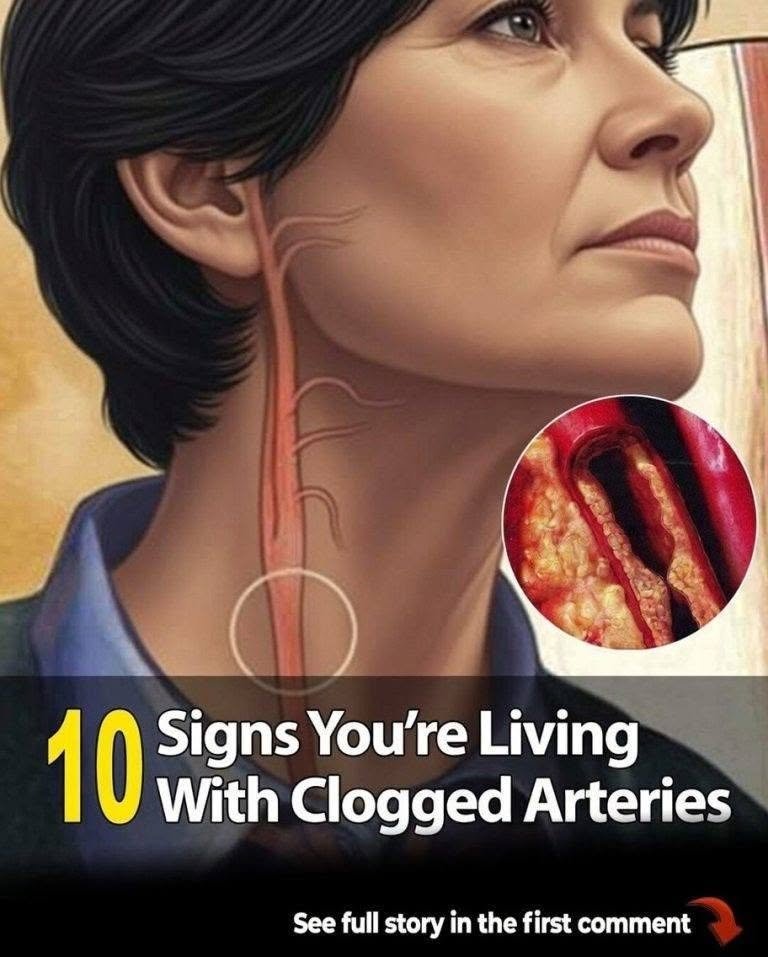
When sensationalized medical clickbait flashes headlines like “10 Indicators of Blocked Arteries You Shouldn’t Ignore,” they rely on intense cardiovascular fear-mongering. They want you to believe that vague sensations like a random twitch, a fleeting muscle cramp, or mild daytime fatigue are definite signs of severe arterial blockages, turning normal human sensations into a source of constant medical panic.
From a cardiology, vascular surgery, and internal medicine perspective, atherosclerosis (the narrowing of arteries due to plaque buildup) is a serious, progressive condition. However, true arterial blockages produce very specific physiological warning signs rooted in ischemia—a temporary lack of oxygen-rich blood reaching tissue.
The Reality Behind Arterial Plaque and Ischemia
How do arteries narrow, and how do they actually signal distress?
-
The Silent Progression of Atherosclerosis: Plaque buildup (composed of cholesterol, calcium, and inflammatory cells) accumulates inside arterial walls over decades. For most of its progression, atherosclerosis is completely asymptomatic because the body can often develop small collateral blood vessels or the artery compensates until a significant threshold of narrowing (usually over 70%) is reached.
-
The Principle of Ischemia: When an artery becomes severely narrowed or blocked, the downstream tissue or organ is deprived of adequate oxygen during periods of increased demand. This oxygen deficit generates distinct, reproducible symptoms depending on which vascular bed is affected (heart, brain, or limbs).
-
The Danger of Vague Symptom Lists: Clickbait lists often attribute completely unrelated symptoms—like blurry vision, earlobes creases, or general tiredness—to blocked arteries. Real vascular indicators are tied directly to blood flow limitations during physical exertion or rest.
True Clinical Indicators of Arterial Blockage
When cardiologists evaluate patients for significant vascular occlusion, they focus on specific, clinically validated warning signs across three primary vascular territories:
-
1. Coronary Arteries (Heart)
-
Angina (Chest Discomfort): A feeling of pressure, tightness, squeezing, or heaviness in the chest, often triggered by physical exertion or emotional stress and relieved by rest or nitroglycerin.
-
Exertional Shortness of Breath: Feeling unusually winded during routine activities (like climbing a flight of stairs) that previously caused no issues, reflecting compromised cardiac output.
-
-
2. Peripheral Arteries (Limbs – PAD)
-
Intermittent Claudication: A predictable cramping, aching, or tired feeling in the calves, thighs, or buttocks that occurs only while walking and disappears promptly with rest.
-
Coolness and Pallor in Extremities: One foot or leg feeling noticeably colder to the touch than the other, accompanied by pale or bluish skin coloration due to restricted blood flow.
-
Slow-Healing Sores or Hair Loss on Legs: Poor circulation starves peripheral tissues of nutrients, resulting in shiny, hairless skin on the shins and wounds on the feet that refuse to heal.
-
-
3. Carotid and Cerebral Arteries (Brain)
-
Transient Ischemic Attacks (TIAs) / “Mini-Strokes”: Temporary episodes of neurological deficit, such as sudden weakness or numbness on one side of the body, slurred speech, or temporary loss of vision in one eye (amaurosis fugax), signaling restricted blood flow to the brain.
-
Evidence-Based Vascular Protection and Monitoring
Protecting your arterial tree over a lifetime requires managing the core drivers of endothelial damage—such as hypertension, dyslipidemia, insulin resistance, and inflammation:
-
Manage Metabolic Health: Keep blood pressure, fasting glucose, and lipid panels (specifically LDL cholesterol and triglycerides) within optimal ranges through clinical guidance.
-
Embrace Regular Cardiovascular Movement: Consistent aerobic exercise stimulates the release of nitric oxide from your endothelium, preserving arterial elasticity and encouraging healthy microcirculation.
-
Avoid Tobacco Completely: Smoking is a primary catalyst for endothelial injury, arterial inflammation, and plaque rupture. Quitting smoking dramatically halts the acceleration of vascular disease.
