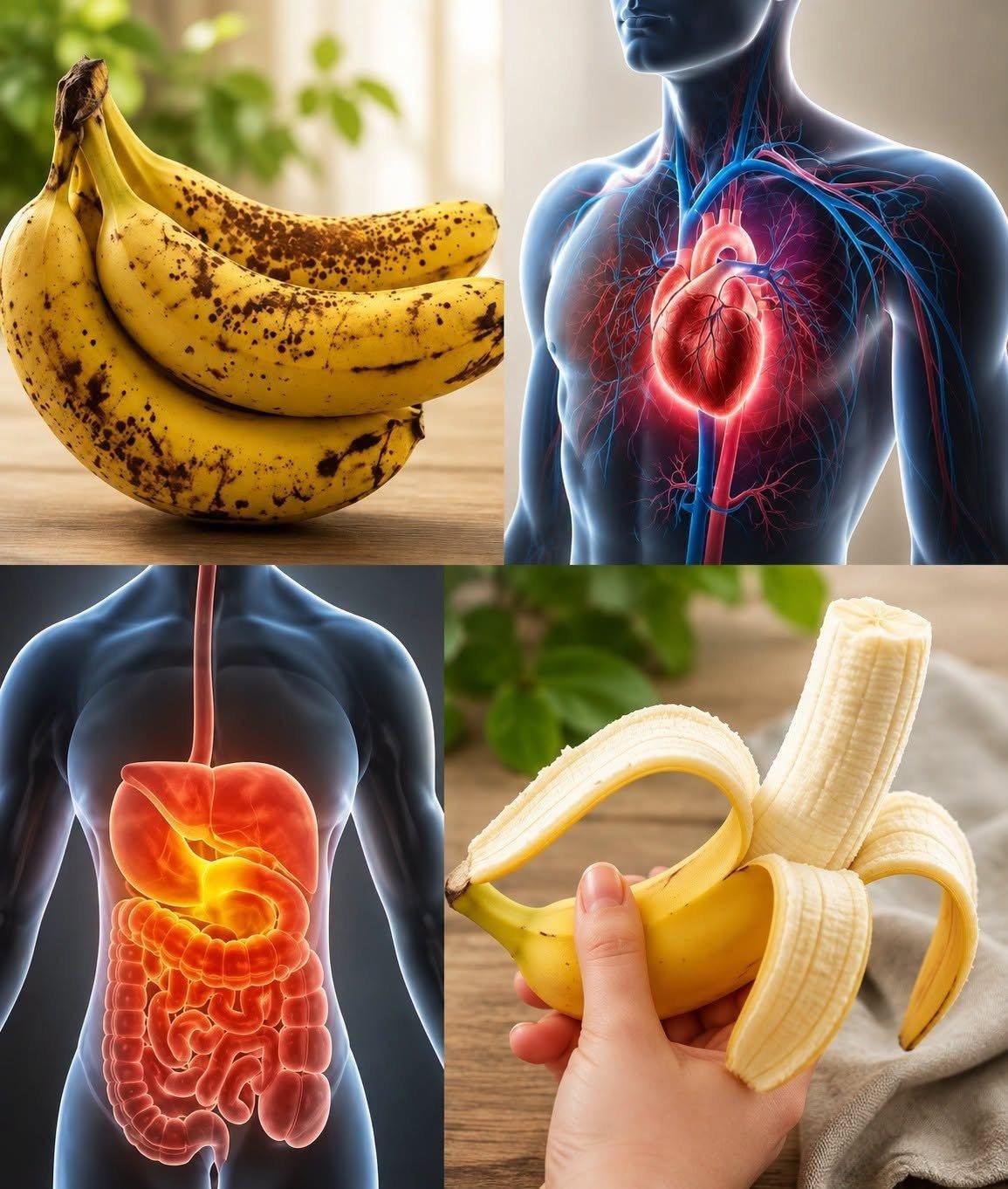
When sensationalized nutrition clickbait flashes headlines like “Did you know that eating bananas increases…,” they love to leave the sentence unfinished, using a breathless ellipsis to manufacture suspense and trick you into fearing a wholesome fruit. They want you to believe that grabbing a banana for breakfast is secretly triggering a dangerous physiological spike or toxicity.
From a clinical nutrition, gastroenterology, and metabolic perspective, bananas are nutrient-dense, highly digestible whole foods packed with potassium, vitamin B6, fiber, and essential micronutrients. While extreme, unrealistic quantities of any single food can create imbalances, the reality of eating bananas is overwhelmingly positive.
The Reality Behind Bananas and Nutrition
Why do nutrition myths frequently target bananas?
-
Carbohydrate and Sugar Misconceptions: Clickbait often lumps the natural fruit sugars (fructose and glucose) in bananas together with refined, processed sugars. Unlike processed sweets, bananas are encased in a matrix of soluble dietary fiber (pectin) and resistant starch that slows digestion and moderates glycemic impact.
-
The Potassium Myth: Bananas are famously known for potassium, which is vital for heart function and muscle contraction. While individuals with advanced chronic kidney disease (CKD) must carefully monitor their potassium intake under nephrological guidance, healthy kidneys easily regulate normal dietary potassium levels.
-
Digestive Ripening Stages: As bananas ripen, their starches convert into simple sugars, making them sweeter and easier to digest. This slight biochemical change often sparks exaggerated claims about blood sugar surges among wellness bloggers who ignore overall dietary context.
What Eating Bananas Actually Does in the Body
When you include bananas in a balanced, whole-food diet, here is what clinical science shows they actually drive:
-
1. Electrolyte and Cardiovascular Support: The potassium and magnesium in bananas help regulate fluid balance, support healthy nerve transmission, and assist in maintaining normal blood pressure.
-
2. Sustained Gastrointestinal Health: The prebiotic fibers and resistant starch found in bananas nourish beneficial gut microbiota, promoting a healthy, resilient digestive tract and smooth bowel motility.
-
3. Accessible Energy and Recovery: Because they provide easily digestible complex carbohydrates paired with vital vitamins, bananas serve as an excellent, natural energy source before or after physical activity.
