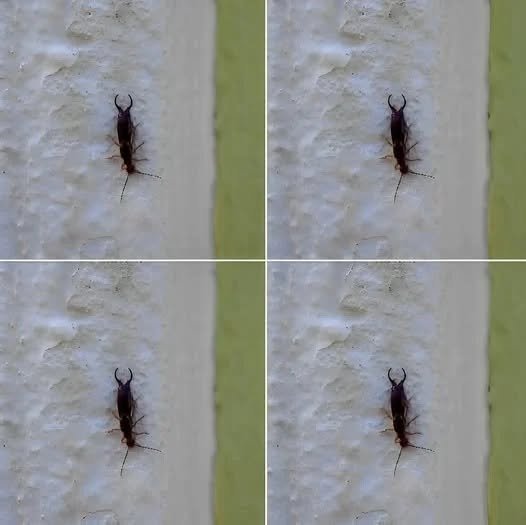
When alarmist home-maintenance and pest-control clickbait flashes headlines like “Warning! If you have found this insect in your home, it’s a sign that you need to…,” they rely on panic-inducing mystery and fear. They want you to believe that spotting a single wandering bug is a definitive harbinger of structural collapse, massive infestation, or an imminent household disaster.
From an entomology, pest management, and structural integrity perspective, insects entering a home are responding to basic biological drives—seeking moisture, warmth, shelter, or organic food sources. While certain pests do signal environmental vulnerabilities, understanding the insect’s identity and behavior separates legitimate home protection from online terror.
The Reality Behind Common Household Insects
Why do insects cross your threshold, and what do they actually indicate?
-
Moisture and Humidity Indicators: Many common household invaders—such as silverfish, centipedes, and springtails—thrive exclusively in damp environments. Finding them doesn’t mean your house is unclean; it indicates localized excess moisture, such as a slow pipe leak, high basement humidity, or poor ventilation.
-
Seasonal Migration and Weather Shifts: During extreme temperature swings (hot summers or freezing winters), insects seek thermal refuge indoors. This occasional intrusion is a normal part of living in a shared ecosystem, not an active infestation.
-
Structural Exclusion Flaws: Insects enter through microscopic gaps around doors, unsealed windows, cracked foundation vents, or unsealed utility penetrations. Keeping pests out is fundamentally about structural exclusion (sealing entry points) rather than emergency chemical warfare.
Key Household Pests and What They Actually Reveal
When pest control experts evaluate indoor bugs, they categorize them by the environmental conditions that attracted them:
-
1. Moisture Seekers (Silverfish, Earwigs, and Centipedes)
-
What they look like: Silverfish move in a silvery, fish-like slither; earwigs feature distinctive pincers; centipedes have numerous long, rapid legs.
-
What they reveal: High humidity, condensation, or damp organic matter (like rotting wood, wet cardboard, or leaking plumbing traps).
-
-
2. Wood-Destroying Organisms (Termites and Powderpost Beetles)
-
What they look like: Subterranean termites are pale, soft-bodied insects that swarm in mud tubes; beetles leave fine, powdery wood dust.
-
What they reveal: Direct wood-to-soil contact, untreated structural lumber exposed to moisture, or active water damage that compromises wooden framing. (This is the one category that genuinely requires prompt professional intervention).
-
-
3. Pantry Invaders (Weevils, Flour Beetles, and Pantry Moths)
-
What they look like: Small beetles or moths found hovering or crawling inside dry-goods cabinets.
-
What they reveal: Compromised product packaging brought in from grocery stores, rather than a structural flaw in your home.
-
Evidence-Based Pest Prevention and Exclusion Habits
Instead of reacting with panic sprays and toxic foggers, clinical home maintenance focuses on prevention and structural integrity:
-
Seal Structural Entry Points: Use silicone caulk and weatherstripping around doors, windows, and foundation gaps to block physical access points.
-
Control Indoor Moisture: Install dehumidifiers in damp basements or crawlspaces, fix plumbing leaks promptly, and ensure exhaust fans vent properly outdoors.
-
Store Dry Goods Securely: Transfer flours, grains, and cereals into airtight glass or hard plastic containers to eliminate food sources for pantry pests.
