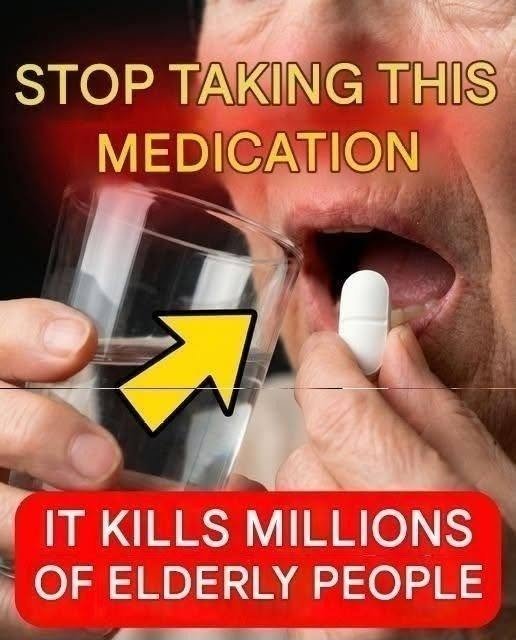
When sensationalized medical clickbait flashes headlines like “A cardiologist warns: these 5 medications increase the risk of heart attack and stroke in older people,” they rely on powerful, fear-inducing alarmism. They want you to believe that routine, physician-prescribed medications—often taken daily to manage common ailments—are secretly ticking time bombs designed to trigger cardiovascular catastrophes in older adults.
From a clinical cardiology, geriatric pharmacology, and internal medicine perspective, managing medications in older adults requires extreme care (polypharmacy and age-related changes in drug metabolism are genuine clinical considerations). However, blanket warnings claiming standard medications inherently “increase heart attack and stroke risk” misrepresent clinical science. Let’s cut through the panic and examine how medications actually interact with cardiovascular health in aging populations.
The Clinical Reality Behind Medications and Aging
Why do older adults and cardiovascular health require specialized pharmacological management?
-
Pharmacokinetics and Pharmacodynamics in Aging: As we age, our bodies undergo natural physiological changes—such as decreased renal clearance, altered liver metabolism, and reduced total body water. This means drugs stay active in the system longer and can exert stronger systemic effects if doses aren’t carefully calibrated.
-
The Danger of Abrupt Cessation: The most dangerous part of medical clickbait is that frightened patients often stop taking their prescribed drugs cold turkey. Stopping blood pressure, diabetes, or cholesterol medications abruptly can trigger severe rebound hypertension, acute cardiac ischemia, or stroke.
-
Risk-Benefit Stratification: Every prescription medication carries potential side effects, but clinicians weigh these risks against the massive, proven benefits of preventing acute cardiovascular events.
Medications Frequently Targeted by Clickbait (and Clinical Nuance)
When online articles list dangerous drugs for older adults, they often strip away crucial medical context from classes like:
-
1. Non-Steroidal Anti-Inflammatory Drugs (NSAIDs – e.g., Ibuprofen, Diclofenac)
-
The clickbait claim: Over-the-counter painkillers will instantly cause a heart attack.
-
The clinical reality: Chronic, high-dose systemic use of NSAIDs can indeed elevate blood pressure, cause fluid retention, and slightly increase thrombotic risk in patients with preexisting cardiovascular disease. The fix: Clinicians recommend using the lowest effective dose for the shortest duration, or exploring topical alternatives and physical therapy.
-
-
2. Certain Decongestants (e.g., Pseudoephedrine)
-
The clickbait claim: Cold medicine is a hidden cardiovascular hazard.
-
The clinical reality: Vasoconstricting decongestants temporarily raise blood pressure and heart rate. For older adults with uncontrolled hypertension, this can be problematic—which is why pharmacists recommend non-systemic saline sprays instead.
-
-
3. Acid-Suppressing Proton Pump Inhibitors (PPIs) / Certain Antibiotics
-
The clickbait claim: Heartburn pills secretly damage your heart.
-
The clinical reality: Long-term, unmonitored PPI use can occasionally impact mineral absorption or interact with specific heart medications (like clopidogrel), which is why physicians periodically review chronic indications rather than causing panic.
-
Evidence-Based Medication Safety and Cardiovascular Care
Navigating medications safely as you age relies on active partnership with your healthcare team, not internet fear:
-
Maintain a Complete Medication Reconciliation: Bring every prescription, over-the-counter pill, and herbal supplement to your doctor or pharmacist for a thorough review to catch potential drug interactions.
-
Never Stop Medications Independently: If you have concerns about a side effect or read an alarming claim about a drug you take, schedule a consultation with your physician to discuss safe alternatives or dosage adjustments.
-
Prioritize Foundational Vascular Health: Support your cardiovascular system through consistent movement, balanced nutrition, and routine blood pressure monitoring.
