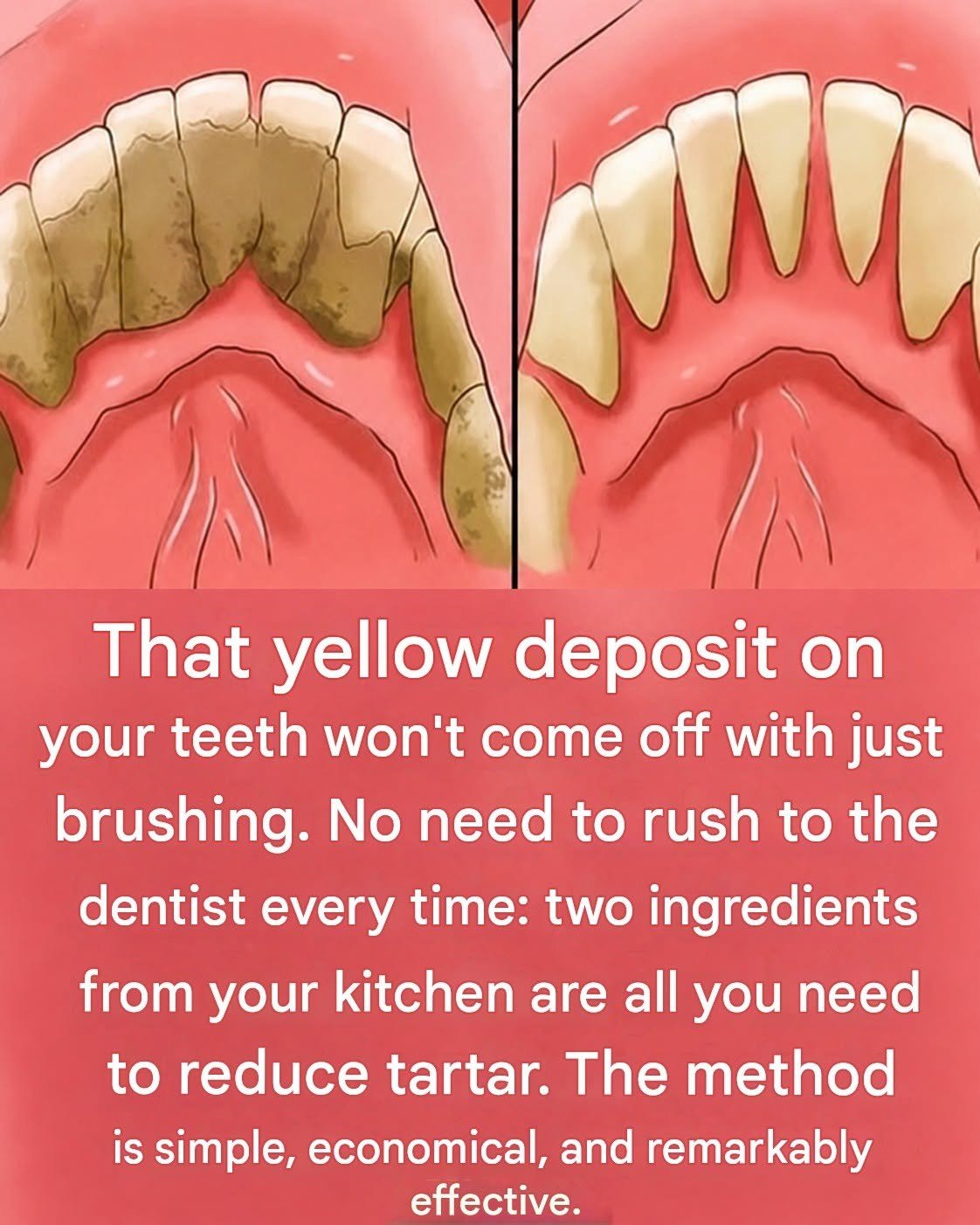
When viral videos or articles promise that you can “be your own dentist” and scrape away hardened tartar at home using metal picks, scrapers, or DIY chemical washes, it sounds like an appealing way to save time and money.
However, attempting to remove tartar yourself at home is strongly discouraged by dental professionals. While maintaining great daily oral hygiene is crucial, scaling tartar is a clinical procedure that requires specialized dental training and sterilized instruments.
Here is the dental reality behind why DIY tartar removal is dangerous, alongside what you can safely do at home:
Why DIY Tartar Removal Is Dangerous
Tartar (also known as calculus) is plaque that has mineralized and hardened onto the tooth surface, binding chemically to the enamel. Because it is as hard as cement, trying to remove it yourself creates significant risks:
-
Permanent Enamel Damage: Metal scraping tools used without professional visibility or training frequently gouge, scratch, or fracture tooth enamel. Once enamel is scratched or destroyed, it does not grow back.
-
Severe Gum Injury and Recession: Improvised dental picks easily slip, lacerating the delicate gum tissue. Repeated trauma to the gums causes them to permanently recede, exposing sensitive tooth roots and increasing the risk of future decay.
-
Introduction of Dangerous Bacteria: Household tools are not sterile. Scraping below the gumline with unsterilized metal can push oral bacteria directly into your bloodstream or cause painful gum infections and abscesses.
-
Incomplete Removal: Without specialized dental mirrors and lighting, you cannot see below the gumline where the most damaging tartar accumulates. Scraping only the visible parts gives a false sense of security while periodontal disease quietly worsens underneath.
What You Can Safely Do at Home
While you cannot remove hardened tartar at home, you have complete control over preventing new plaque from turning into tartar:
-
Master Proper Brushing Technique: Brush twice a day for a full two minutes using a soft-bristled toothbrush (preferably electric, which removes significantly more plaque than manual brushing). Hold the brush at a 45-degree angle toward the gumline.
-
Never Skip Daily Flossing: Plaque hardens into tartar within 24 to 72 hours. Flossing once a day is the only way to clean the tight spaces between teeth where your toothbrush cannot reach.
-
Consider an Antiseptic or Tartar-Control Mouthwash: Using an antimicrobial mouthwash helps reduce overall oral bacterial load, while specific tartar-control toothpastes contain pyrophosphates that help inhibit minerals from binding to plaque and hardening into calculus.
-
Stay Hydrated: As discussed with dry mouth, robust saliva flow is your mouth’s natural defense mechanism, washing away food particles and neutralizing acids that contribute to plaque buildup.
The Takeaway: Leave the metal scalers to the dental hygienists. Regular professional cleanings every six months (or as recommended by your dentist) safely remove hardened calculus using ultrasonic scaling instruments designed specifically to protect your enamel and gums.
