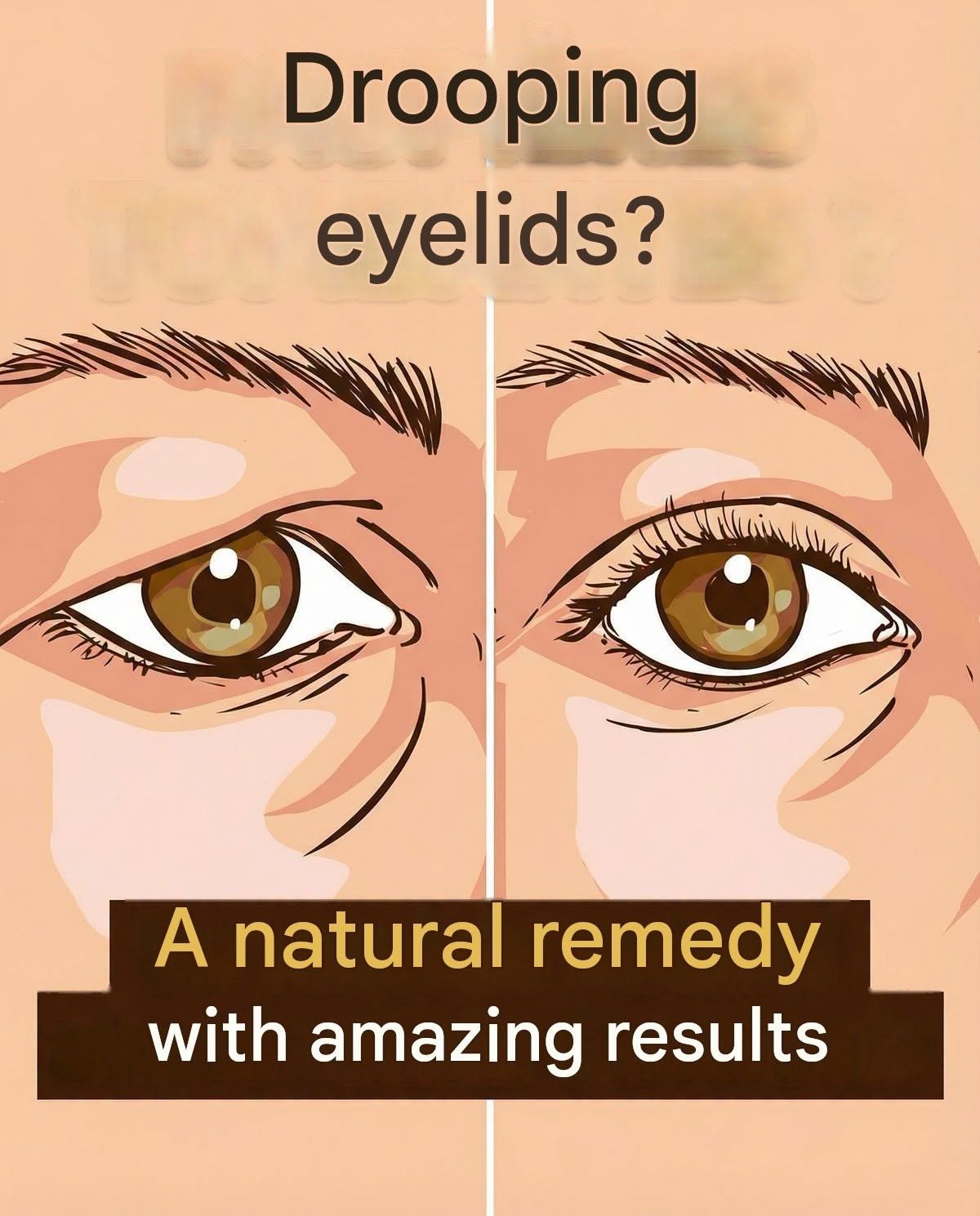
Droopy eyelids—medically known as ptosis when it involves the upper eyelid margin, or dermatochalasis when it refers to excess, sagging skin—are a common part of aging. While many people first notice droopy eyelids when applying makeup or looking at photographs, understanding the underlying cause helps separate simple cosmetic changes from medical issues that require attention.
An evidence-based look at what causes sagging eyelids, natural management strategies, and the critical red flags that mean it is time to see a doctor reveals several key insights.
Why Do Eyelids Droop? (The Anatomy)
The eyelid is a delicate structure controlled by the levator palpebrae superioris muscle and supported by a tight framework of skin, fat, and connective tissue. Over time, several factors cause this area to lose its tautness:
-
Natural Skin Laxity and Collagen Loss: Just like the skin on the rest of your body, the skin of the eyelids loses elasticity and collagen with age, causing it to stretch and fold over the lash line.
-
Muscle Stretching or Detachment (Aponeurotic Ptosis): The tendon connecting the eyelid-lifting muscle can stretch or separate over decades due to aging, eye rubbing, or previous eye surgery.
-
Forehead and Brow Descending: As the forehead skin and eyebrows naturally drift downward with age, they push extra weight onto the upper eyelids, compounding the droop.
-
Underlying Medical Triggers: Conditions affecting nerves or muscles (such as myasthenia gravis, Bell’s palsy, or Horner’s syndrome) or sudden trauma can cause acute ptosis.
Natural Approaches and Everyday Management
While non-surgical methods cannot physically reverse structural muscle detachment or permanently remove excess skin, certain habits and supportive techniques can help manage mild sagging and reduce puffiness:
-
Manage Allergies and Inflammation: Chronic eye rubbing from seasonal allergies stretches the delicate eyelid skin and breaks down elastin fibers. Using saline rinses, cold compresses, or non-drowsy antihistamines protects the area.
-
Support Skin Elasticity: Skincare with proven collagen-supporting ingredients (like gentle retinoids formulated specifically for the eye area, peptides, and daily broad-spectrum SPF 30+) can help preserve skin firmness.
-
Targeted Facial Exercises (Face Yoga): Some proponents suggest resistance exercises for the orbicularis oculi muscles (such as gently holding the brow bone and lifting the eyelids against resistance). While evidence is mostly anecdotal, gentle muscle engagement can sometimes improve circulation.
-
Cosmetic Adjustments: If excess skin blocks your upper field of vision slightly, specialized makeup techniques (such as matte neutral eyeshadows and focusing eyeliner on the outer corners) can visually open up the eye area.
When to See a Doctor (Red Flags)
While age-related drooping is normal and gradual, sudden or asymmetric changes require prompt medical evaluation by an optometrist, ophthalmologist, or neurologist.
Schedule an appointment if you experience any of the following:
-
Sudden Onset: If an eyelid droops overnight or over the course of a few days (unlike gradual age-related sagging).
-
Double Vision (Diplopia): Seeing double or having trouble focusing.
-
Neurological Symptoms: Accompanying weakness in the face, numbness, slurred speech, or a sudden, severe headache.
-
Vision Obstruction: If the lid skin sags so low that it physically blocks your upper or peripheral vision, interfering with driving or reading.
-
Pain or Inflammation: Redness, swelling, or pain around the eye socket.
Medical and Surgical Options
If drooping significantly impairs your vision or bothers you cosmetically, medical options range from aponeurosis repair surgery (tightening the stretched muscle) to blepharoplasty (surgically removing excess skin and fat padding). When droopy lids obstruct vision to a measurable degree, corrective surgery is frequently covered by medical insurance.
