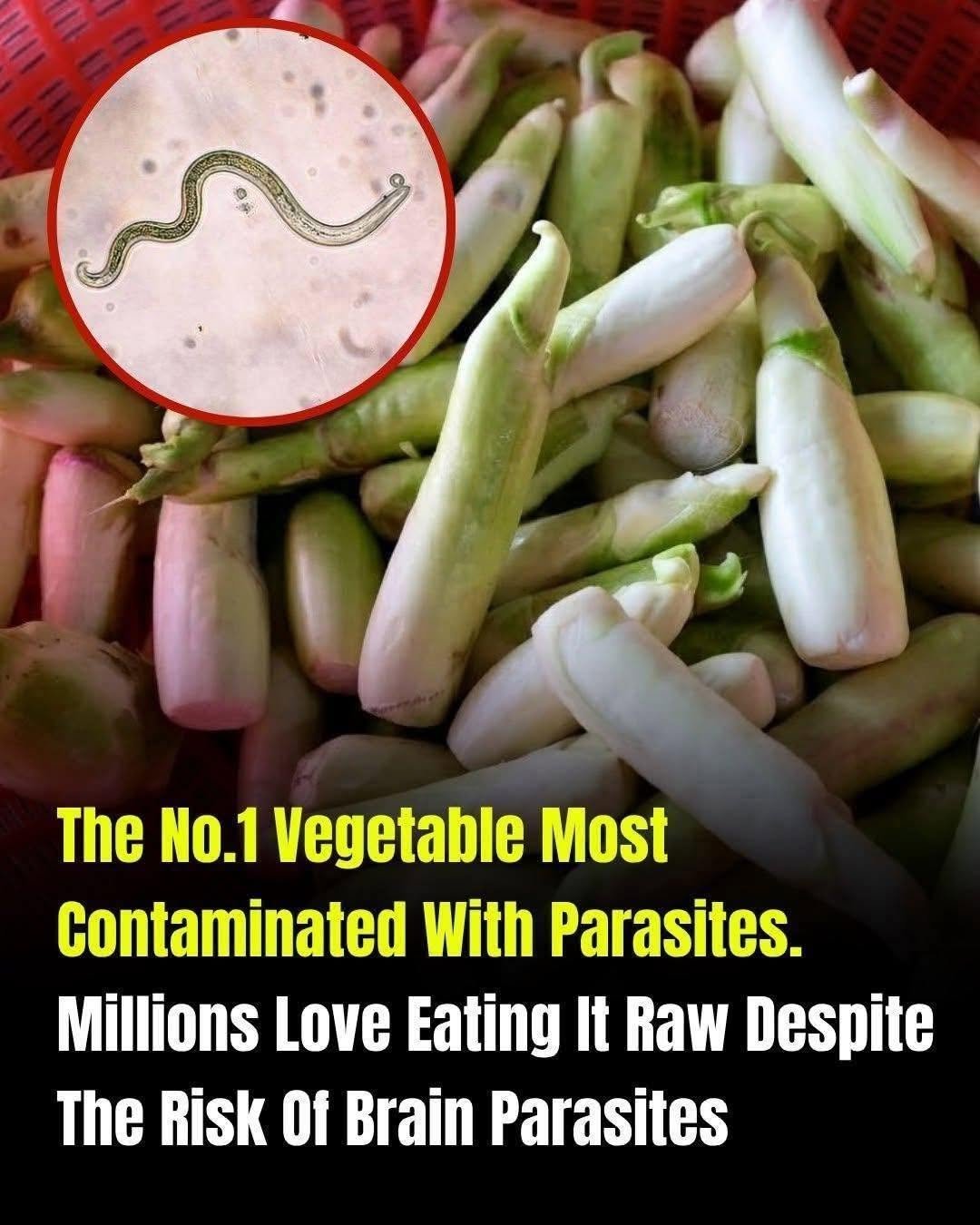
When dramatic wellness headlines proclaim that a specific vegetable is “the most parasite-contaminated” and warn you to abandon it entirely, they rely on shock value to trigger food safety anxiety.
While the underlying food safety concern is entirely real—raw produce can indeed act as a vehicle for foodborne parasites, bacteria, and protozoa—labeling any single vegetable as a universal hazard oversimplifies how agricultural contamination actually happens.
An evidence-based look at which produce items carry the highest risk, how parasites hitch a ride, and how proper handling keeps your kitchen safe reveals several key insights.
Which Produce Carries the Highest Parasitic Risk?
Food safety authorities and parasitologists generally point to leafy greens, root vegetables grown close to the soil, and soft-skinned berries as the produce items most frequently associated with foodborne parasites (such as Giardia, Cryptosporidium, Cyclospora, and Toxoplasma gondii).
Among them, leafy greens (like lettuce, spinach, and fresh herbs) frequently top the list for outbreaks because of their large surface area, delicate folds, and the fact that they are almost always eaten raw without a “kill step” (like high-heat cooking) to destroy pathogens.
How Do Parasites Contaminate Vegetables in the First Place?
Vegetables don’t naturally grow coated in parasites; contamination is almost always introduced during farming, harvesting, or processing through three primary vectors:
-
Contaminated Irrigation Water: If crops are watered with runoff or surface water containing untreated agricultural or animal feces, microscopic parasite cysts or oocysts can wash directly over the plants.
-
Improper Handling by Farmworkers: Poor sanitation or a lack of handwashing facilities in the fields can lead to human-to-produce contamination during harvesting and packing.
-
Soil and Wildlife Contact: Root vegetables (like carrots or radishes) or low-growing greens can come into contact with contaminated soil or animal droppings in the field.
Practical Safety Measures (Without Quitting Vegetables)
You do not need to eliminate fresh vegetables from your diet out of fear. Standard kitchen hygiene drastically minimizes or eliminates any risk of parasitic contamination:
-
Wash Thoroughly Under Running Water: Rinsing greens and firm produce under cool, running tap water helps mechanically dislodge dirt, bacteria, and parasite cysts. Simply soaking produce in stagnant water is less effective because floating debris can reattach to the leaves.
-
Use a Vegetable Brush: For firm root vegetables (like potatoes, carrots, or beets), scrub the skins firmly under running water to remove stubborn soil particles.
-
Skip Harsh Chemical Soaks: Avoid washing produce with bleach, dish soap, or commercial “produce washes.” The FDA notes that these chemicals can leave residues absorbed through the skin of the porous plant tissue, and plain running water is clinically proven to be just as effective.
-
Cook When in Doubt: If you have a compromised immune system or are traveling in regions with questionable water treatment, eating thoroughly cooked vegetables rather than raw salads virtually eliminates the risk of live parasites.
The Takeaway: Fresh vegetables remain a cornerstone of a healthy, nutrient-dense diet. While foodborne parasites are a legitimate public health consideration, sensible washing habits and safe sourcing make enjoying your favorite greens entirely safe.
