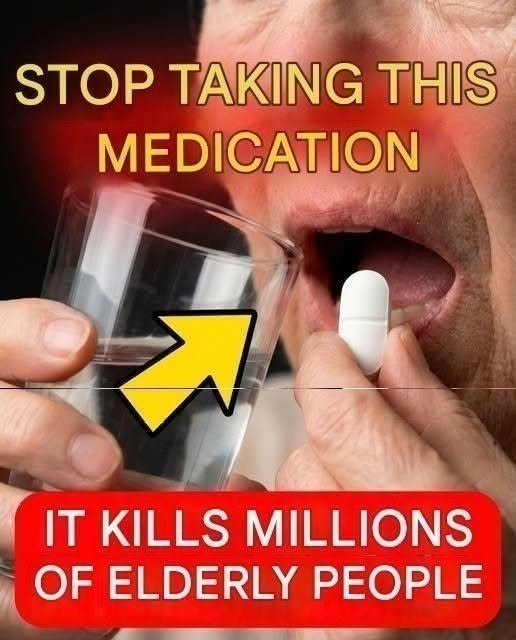
When sensational health headlines warn that “a cardiologist warns: these 5 medications increase the risk of heart attack and stroke in older people,” they rely on fear-mongering and generalized alarm to generate clicks, often frightening vulnerable patients into abruptly stopping vital treatments.
The underlying pharmacological and clinical reality is far more measured: virtually all medications carry potential adverse side effects or cardiovascular risks, particularly in older adults whose bodies metabolize drugs differently. However, the decision to prescribe these medications involves a rigorous risk-benefit analysis by a physician—balancing the dangers of untreated disease against potential drug interactions. Frightening seniors away from their prescribed therapies without medical supervision is dangerous.
An evidence-based look at how aging alters medication safety and why blanket warnings miss the clinical mark separates sensationalism from sound cardiology.
Why Aging Changes Medication Risks (Pharmacokinetics)
As the human body ages, physiological changes alter how drugs are processed:
-
Decreased Renal and Hepatic Clearance: The kidneys and liver process and eliminate medications more slowly in older adults, increasing the risk of drug accumulation and toxicity.
-
Polypharmacy Vulnerability: Older adults are frequently prescribed multiple medications for various chronic conditions, dramatically raising the likelihood of adverse drug interactions.
-
Increased Sensitivity: Aging central nervous systems and cardiovascular tissues can react more intensely to powerful pharmaceuticals.
When sensationalized articles list medications like NSAIDs, certain cold medications containing decongestants, or specific classes of pain relievers, they usually strip away vital context: dose, duration, underlying health conditions, and medical supervision.
The Danger of Stopping Prescribed Medications Based on Headlines
The most critical hazard of clickbait medication warnings is abrupt self-discontinuation:
-
The Rebound Effect: Suddenly stopping blood pressure medication, anticoagulants, or heart regulators because of a scary internet article can trigger acute hypertensive crises, strokes, or heart attacks far more dangerous than the long-term side effects of the drug itself.
-
The Proper Protocol: If an older adult or their caregiver has concerns about a specific prescription’s cardiovascular safety profile, the correct action is always a medication review with a primary care physician or cardiologist—never a unilateral decision made in response to viral media.
The Takeaway
Ignore dramatic internet warnings about secret “cardiac-risk” medications. Managing cardiovascular health in older adults is a delicate, highly individualized medical science. If you or a loved one have questions about a prescription regimen, consult a healthcare professional to weigh the clinical risks and benefits safely.
