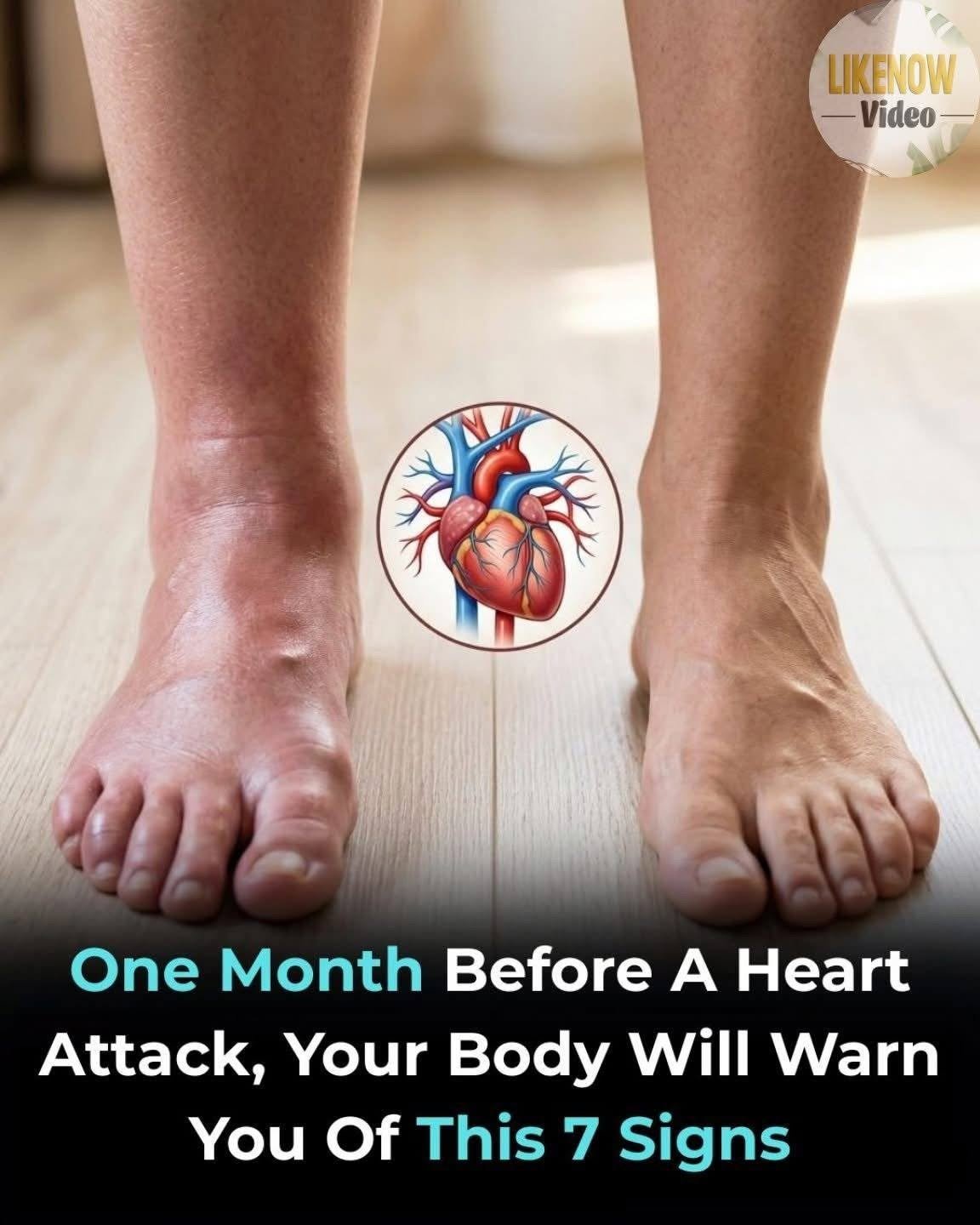
When sensational health headlines warn that “a month before a heart attack, your feet warn you of these six signs,” they wrap normal physiological responses or unrelated vascular issues in a terrifying, deterministic countdown to a cardiac event.
The underlying medical reality is distinct: while your lower extremities can indeed display critical signs of chronic cardiovascular disease, peripheral circulation issues do not operate on a neat, one-month countdown timer to a heart attack. Instead, chronic conditions like peripheral artery disease (PAD) or chronic venous insufficiency develop over years, reflecting systemic vascular wear-and-tear that impacts both the legs and the coronary arteries.
An evidence-based look at what your feet actually signal about your vascular health helps separate fear-mongering clickbait from clinical cardiology.
Why Foot Symptoms and Heart Health Are Connected
Your feet are at the very end of your circulatory highway. Because they are farthest from the heart, they are often the first place to show microvascular or macrovascular strain when your cardiovascular system is struggling. However, foot symptoms usually point to systemic atherosclerosis (plaque buildup throughout the body) rather than a sudden, imminent heart attack.
When medical literature discusses lower extremity warning signs, it looks at specific, chronic clinical indicators:
1. Intermittent Claudication (Cramping with Walking)
-
What It Is: A deep, predictable cramping, aching, or tightness in your calves, thighs, or buttocks that is triggered strictly by walking a certain distance and disappears within minutes of resting.
-
The Clinical Meaning: This is the hallmark symptom of Peripheral Artery Disease (PAD). It means plaque has narrowed the arteries supplying your legs. Because atherosclerosis is systemic, someone with PAD has a significantly higher statistical likelihood of also having plaque buildup in their coronary or carotid arteries.
2. Non-Healing Foot Ulcers or Sores
-
What It Is: Small cuts, scrapes, or pressure sores on the feet, toes, or heels that refuse to heal over weeks or months.
-
The Clinical Meaning: Severe arterial blockages starve the skin and tissues of the oxygen and nutrients required for cellular repair. Combined with conditions like neuropathy, minor trauma can turn into chronic, slow-healing wounds.
3. Coolness to the Touch and Color Changes
-
What It Is: One foot or lower leg feeling noticeably colder than the other, accompanied by pale, shiny, or bluish skin (cyanosis).
-
The Clinical Meaning: This indicates severely compromised arterial blood flow restricting warm, oxygenated blood from reaching the extremities.
4. Chronic Lower Leg and Ankle Edema (Swelling)
-
What It Is: Persistent, pitting swelling in both feet and ankles, particularly by the end of the day.
-
The Clinical Meaning: While often caused by simple venous insufficiency (weak vein valves) or medications, severe bilateral swelling can also be a sign that the heart muscle is struggling to pump efficiently, leading to fluid backup (congestive heart failure).
5. Thickened Toenails and Loss of Lower Leg Hair
-
What It Is: Hair follicles on the lower shins and toes dying off, leaving smooth, hairless skin, alongside brittle, slow-growing toenails.
-
The Clinical Meaning: These are classic dermatological markers of chronic, long-term ischemia (oxygen starvation) caused by inadequate arterial circulation.
6. Weak or Absent Pedal Pulses
-
What It Is: A physician being unable to easily feel a strong pulse on the top of your foot (dorsalis pedis pulse) or behind your ankle.
-
The Clinical Meaning: A physical exam finding that directly confirms restricted blood flow through the lower limb arteries.
The Danger of the “Countdown Timer” Myth
Frightening people with a “one-month warning” narrative is dangerous because it encourages magical thinking: patients either panic over every minor foot cramp or wait for a specific timeframe that doesn’t exist. Cardiovascular disease is a chronic, manageable condition, not an unannounced ambush signaled exclusively by your toes.
If you notice persistent, unusual changes in your lower extremities—especially pain when walking or non-healing sores—the correct response is not to wait for a cardiac emergency, but to schedule an evaluation with a primary care doctor or vascular specialist for an ankle-brachial index (ABI) test or circulation check.
The Takeaway
Ignore the dramatic countdown timelines. Your feet can indeed offer valuable windows into your overall vascular health, but signs like persistent cramping, cold skin, or slow-healing sores reflect long-term circulation patterns that deserve a professional medical check, not internet panic.
