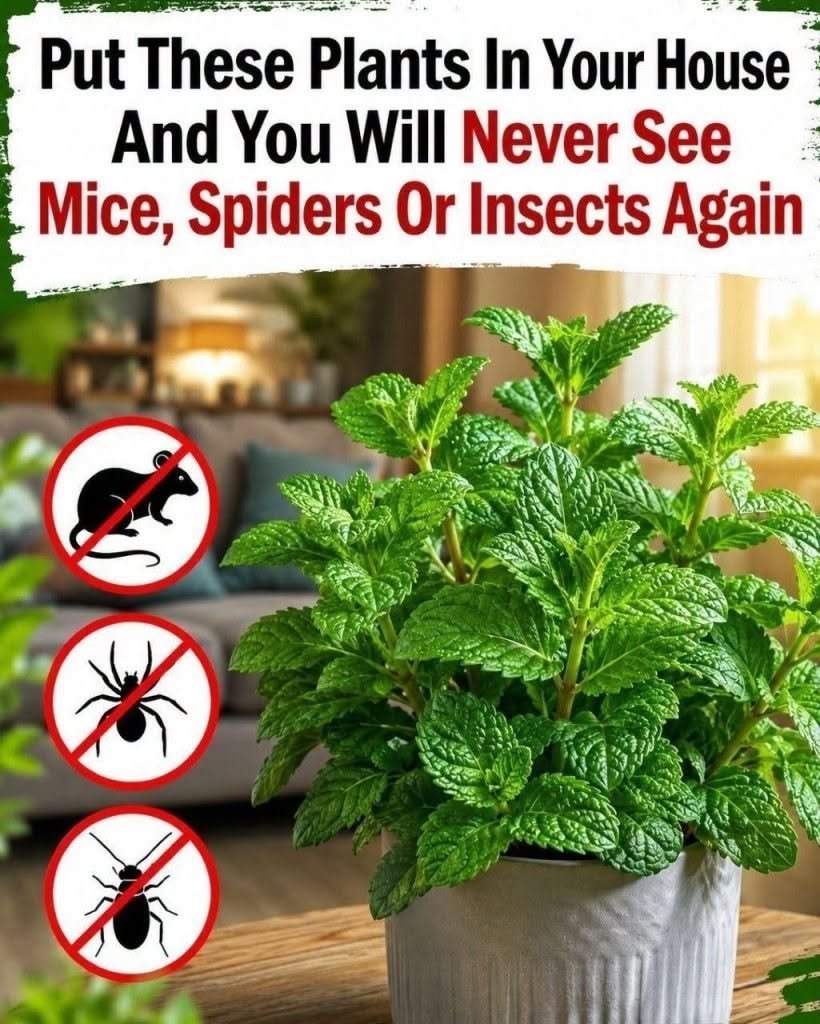
When home-and-garden blogs and Pinterest boards promise that “8 plants that help repel mice, spiders, and other insects” will magically transform your home into an impenetrable pest-free fortress, they are leaning heavily on folklore and botanical exaggeration.
The underlying entomological and botanical reality is far more nuanced: while certain aromatic plants contain volatile essential oils that insects find unpleasant or disorienting, live potted plants sitting on a windowsill do not emit enough concentrated scent to act as active pest repellents. A spider crawling across your living room floor will not turn back simply because there is a potted peppermint plant three feet away.
An evidence-based look at what botanical pest control can (and cannot) do separates garden myth from pest-management reality.
1. The Science of Plant Aromas (Why the Myth Exists)
Many plants produce secondary metabolites—such as menthol, linalool, citronellal, or pyrethrins—as evolutionary defense mechanisms against herbivores.
-
Concentrated Extracts vs. Living Plants: When these compounds are extracted, concentrated, and distilled into essential oils, they can indeed deter certain pests. However, a living, intact plant releases only trace amounts of these volatiles into the surrounding air.
-
The Effective Range: Unless you are crushing the leaves directly to release the oils onto your skin or surfaces, a potted plant has a microscopic active deterrence radius of mere inches.
2. The Popular “Repellent” Plants and What They Actually Do
Here is how common botanical recommendations hold up under scientific scrutiny:
1. Peppermint and Spearmint
-
The Claim: Mice and spiders hate the intense smell of mint and will flee the area.
-
The Reality: While mice have a strong sense of smell and dislike pungent odors, a potted mint plant will not clear out a rodent infestation. (In fact, mint is so aggressively invasive that planting it in the ground is more likely to overrun your garden than deter pests). Concentrated peppermint oil on cotton balls can offer temporary deterrence in closed spaces, but living plants won’t do the job.
2. Lavender
-
The Claim: Repels moths, fleas, flies, and spiders with its soothing floral scent.
-
The Reality: Dried lavender sachets are mildly effective at discouraging clothes moths from laying eggs in dark closets, but a living lavender plant on a sunny kitchen counter emits far too little linalool to stop a spider or mosquito.
3. Citronella Grass (Cymbopogon)
-
The Claim: The ultimate natural mosquito repellent.
-
The Reality: Citronella oil is a proven mosquito deterrent, but the living grass itself releases very little of it unless the blades are bruised or crushed. Sitting next to a potted citronella plant will not stop mosquitoes from biting you.
4. Chrysanthemums (Mums)
-
The Claim: Contain natural compounds that drive away roaches, ants, and ticks.
-
The Reality: Chrysanthemums do produce pyrethrins, which are powerful natural insecticides used in commercial bug sprays. However, the plant keeps those compounds locked inside its tissues; simply having the flower in your home does not release toxic vapors into the air to kill crawling insects.
5. Rosemary and Basil
-
The Claim: Culinary herbs that keep flies and mosquitoes away from patios and kitchens.
-
The Reality: Excellent for cooking and providing pleasant aromas, but terrible at pest control. Flies will happily land on a fresh basil plant if there are crumbs nearby.
3. What Actually Works for Pest Control
If you want to keep mice, spiders, and insects out of your home, skip relying on windowsill greenery and focus on physical exclusion and environmental management:
-
Seal Entry Points: Use caulk and weather stripping to block gaps around doors, windows, and foundation cracks where mice and crawling insects enter.
-
Remove Food Sources: Keep food stored in airtight glass or plastic containers, wipe down counters immediately, and take out the trash regularly.
-
Control Moisture: As with bathroom pests, reducing indoor humidity and fixing plumbing leaks eliminates the water sources that attract silverfish, springtails, and spiders.
The Takeaway
Ignore the marketing hype claiming that decorative houseplants will pest-proof your home. While herbs like mint and lavender smell wonderful and make fantastic additions to your kitchen, keeping pests away requires sealing entry points, eliminating food crumbs, and practicing proper home maintenance.
