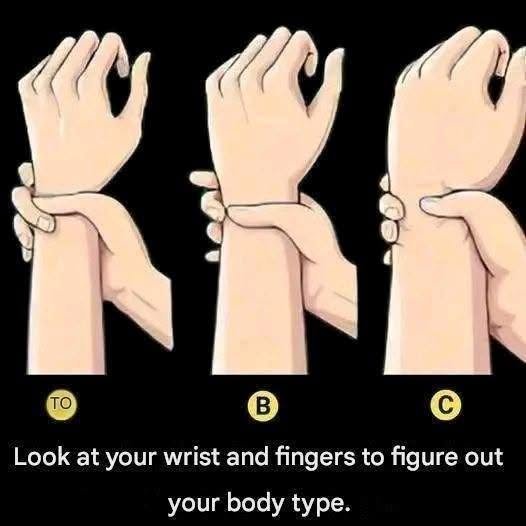
When health and fitness articles ask “Body Types: Are You an Ectomorph, Mesomorph, or Endomorph?”, they lean into a popular framework that promises to unlock the secret to your ideal diet and workout routine based on your physical silhouette.
The underlying physiological and exercise science reality is far more fluid: the somatotype classification system (ectomorph, mesomorph, and endomorph) was originally created in the 1940s by psychologist William Herbert Sheldon to categorize human physiques, not to dictate metabolism or training destiny. While these categories describe general physical tendencies—such as bone structure, lean mass predisposition, and fat storage patterns—human genetics exist on a massive, highly individualized spectrum. Most people are a hybrid of two types, and your metabolism and muscle-building potential can change significantly over time based on nutrition, training, and age.
An evidence-based look at what somatotypes actually represent helps separate pop-fitness mythology from exercise physiology.
1. Where the Somatotypes Come From (And What They Mean)
William Sheldon originally proposed that body types correlated with temperament. While that psychological theory was long ago debunked, fitness culture adopted the physical descriptions because they offer a helpful shorthand for recognizing baseline physical traits:
-
The Ectomorph:
-
Traits: Slender frame, narrow shoulders and hips, fast resting metabolic rate, and natural difficulty gaining weight (either muscle or fat).
-
Physiological Reality: Often possesses a higher proportion of slow-twitch muscle fibers and a high basal energy expenditure, meaning they burn through calories quickly.
-
-
The Mesomorph:
-
Traits: Athletic build, well-defined muscle mass, rectangular or “V-shaped” torso, and relative ease in gaining muscle or losing fat.
-
Physiological Reality: Responds rapidly to resistance training due to a favorable balance of muscle fiber types and efficient cellular nutrient partitioning.
-
-
The Endomorph:
-
Traits: Broader bone structure, softer or rounder physique, slower resting metabolism, and a biological tendency to store excess energy easily as fat.
-
Physiological Reality: Often exhibits higher insulin sensitivity or a lower threshold for carbohydrate storage, meaning excess calories are readily routed to adipose tissue.
-
2. Why the “One-Size-Fits-All” Prescription Fails
Pop-fitness articles love to assign rigid rules to each body type—telling ectomorphs to avoid cardio entirely, or telling endomorphs to slash carbohydrates to near-zero. Modern kinesiology and nutrition science show why these blanket rules fall short:
-
Phenotypic Plasticity: Your body is not frozen in a fixed category. Through progressive overload resistance training, caloric management, and cardiovascular conditioning, an ectomorph can build significant muscle mass, and an endomorph can achieve low body fat percentages.
-
Metabolic Adaptability: Metabolism is not a static trait determined by your shoulder width; it adapts dynamically to your total daily energy expenditure, muscle mass, sleep quality, and hormonal health.
-
Hybrid Realities: Very few people fit cleanly into a single box. You might have the upper-body frame of an ectomorph combined with the lower-body fat storage tendencies of an endomorph.
3. How to Train and Eat for Your Unique Body
Instead of trying to force your biology into a 1940s psychological framework, effective fitness planning focuses on individual biofeedback and functional goals:
-
If You Struggle to Gain Weight or Muscle (Lean/Ectomorphic Tendencies): Focus on progressive resistance training with compound movements, ensure a slight caloric surplus with adequate protein, and limit excessive endurance cardio that burns up recovery energy.
-
If You Gain Fat Easily or Lose It Slowly (Endomorphic Tendencies): Prioritize resistance training to build metabolically active muscle tissue, incorporate daily step goals (NEAT – Non-Exercise Activity Thermogenesis), and manage refined carbohydrate intake to support stable blood sugar.
-
If You Fall Somewhere in Between (Mesomorphic/Hybrid): Focus on a balanced regimen of strength training, cardiovascular conditioning, and whole-food nutrition tailored to your specific performance or aesthetic goals.
The Takeaway
Ignore the rigid blueprints dictating what you can or cannot achieve based on a somatotype label. Your body shape is a starting point, not a life sentence—with the right combination of progressive training, nutrition, and consistency, you can dramatically reshape your strength, metabolic health, and physical capability at any stage of life.
