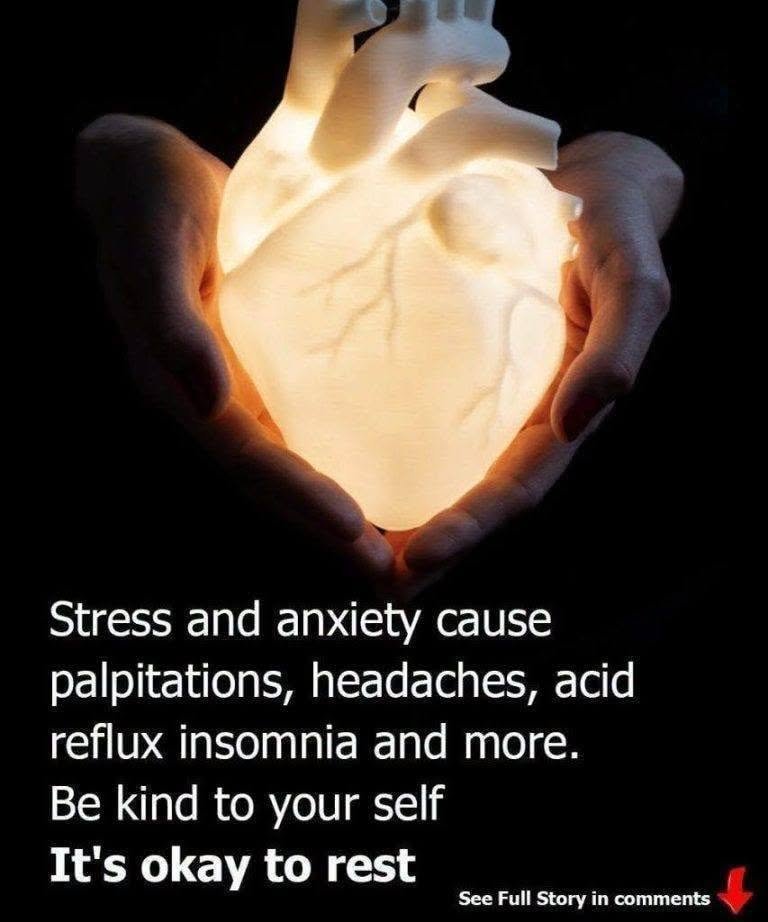
When lifestyle articles and wellness blogs discuss the “signs that stress and anxiety may be affecting your health,” they often frame everyday nervousness as an inevitable slide toward total physical collapse.
The underlying psychoneuroimmunological reality is more subtle, yet profoundly important: chronic, unmanaged stress and anxiety are not just emotional states; they trigger a sustained physiological cascade that impacts nearly every organ system in the body. When your brain perceives ongoing threat or pressure, it keeps your nervous system locked in a prolonged “fight-or-flight” response, gradually wearing down your body’s natural resilience.
An evidence-based look at how chronic stress physically manifests helps separate alarmist exaggeration from clinical reality.
How Chronic Stress Operates (The Physiological Cascade)
When stress becomes chronic rather than acute, your hypothalamic-pituitary-adrenal (HPA) axis stays activated, continuously pumping out stress hormones like cortisol and adrenaline. While these hormones are life-saving in short bursts, bathing your tissues in them over months and years takes a heavy toll:
-
Cardiovascular Strain: Sustained adrenaline spikes elevate resting heart rates and constrict blood vessels, driving up blood pressure and increasing long-term arterial wear.
-
Immune Suppression: High cortisol levels over time suppress immune function, making you more susceptible to infections and slowing down tissue repair.
-
Inflammatory Response: Chronic stress upregulates systemic inflammation, which plays a major role in metabolic dysfunction, cardiovascular disease, and digestive disorders.
Key Physical Signs That Stress Is Impacting Your Body
Because mind and body are inextricably linked, emotional distress frequently announces itself through physical symptoms long before a person recognizes burnout:
1. Gastrointestinal Distress (The Gut-Brain Axis)
-
What Happens: Your gut and brain communicate constantly via the vagus nerve. Stress diverts blood flow away from the digestive tract and alters gut motility and microbiome composition.
-
The Manifestation: Chronic bloating, cramping, nausea, unpredictable bowel habits, or flare-ups of conditions like irritable bowel syndrome (IBS).
2. Persistent Muscle Tension and Pain
-
What Happens: Under stress, your muscles contract automatically to prepare for physical action and often fail to relax fully.
-
The Manifestation: Chronic tension headaches, tight shoulders, jaw clenching (bruxism), and lower back pain that worsens during demanding periods.
3. Sleep Disruption and Exhaustion
-
What Happens: Elevated evening cortisol and racing thoughts prevent your brain from transitioning into deep, restorative slow-wave and REM sleep cycles.
-
The Manifestation: Difficulty falling asleep, frequent nighttime waking, and waking up feeling profoundly unrefreshed, even after a full night in bed.
4. Cognitive Fog and Memory Interference
-
What Happens: Prolonged exposure to stress hormones floods the hippocampus—the brain’s memory center—impairing its ability to form new memories and retrieve information.
-
The Manifestation: Trouble concentrating, frequent forgetfulness, indecisiveness, and a feeling of mental exhaustion.
5. Cardiovascular Warning Signs
-
What Happens: Persistent autonomic nervous system overactivation forces your heart to work harder than necessary at rest.
-
The Manifestation: Heart palpitations, a fluttering sensation in the chest, or sudden spikes in blood pressure.
6. Dermatological Flare-Ups
-
What Happens: Stress triggers inflammatory pathways and alters skin barrier function, while also weakening immune defenses in the skin.
-
The Manifestation: Sudden breakouts of acne, eczema, psoriasis flare-ups, or unexplained hives and itching.
Evidence-Based Ways to Mitigate Stress
You cannot eliminate all stress from modern life, but you can change how your nervous system responds to it. Proven, clinical interventions include:
-
Regulated Physical Activity: Exercise burns off excess adrenaline and cortisol, stimulates the release of endorphins, and signals physical safety to the brain.
-
Diaphragmatic Breathing: Slow, controlled belly breathing activates the vagus nerve and triggers the parasympathetic (“rest-and-digest”) nervous system, physically lowering your heart rate within minutes.
-
Consistent Sleep Hygiene: Protecting your sleep schedule helps reset the HPA axis and restores neurological balance.
-
Professional Support: Cognitive Behavioral Therapy (CBT) and mindfulness-based stress reduction provide concrete tools to reframe anxiety before it translates into physical illness.
The Takeaway
Ignore the dramatic warnings that frame stress as an untreatable doom. Stress is a physical load that your body is designed to manage, provided you recognize its physical signals early and incorporate active recovery into your daily life.
