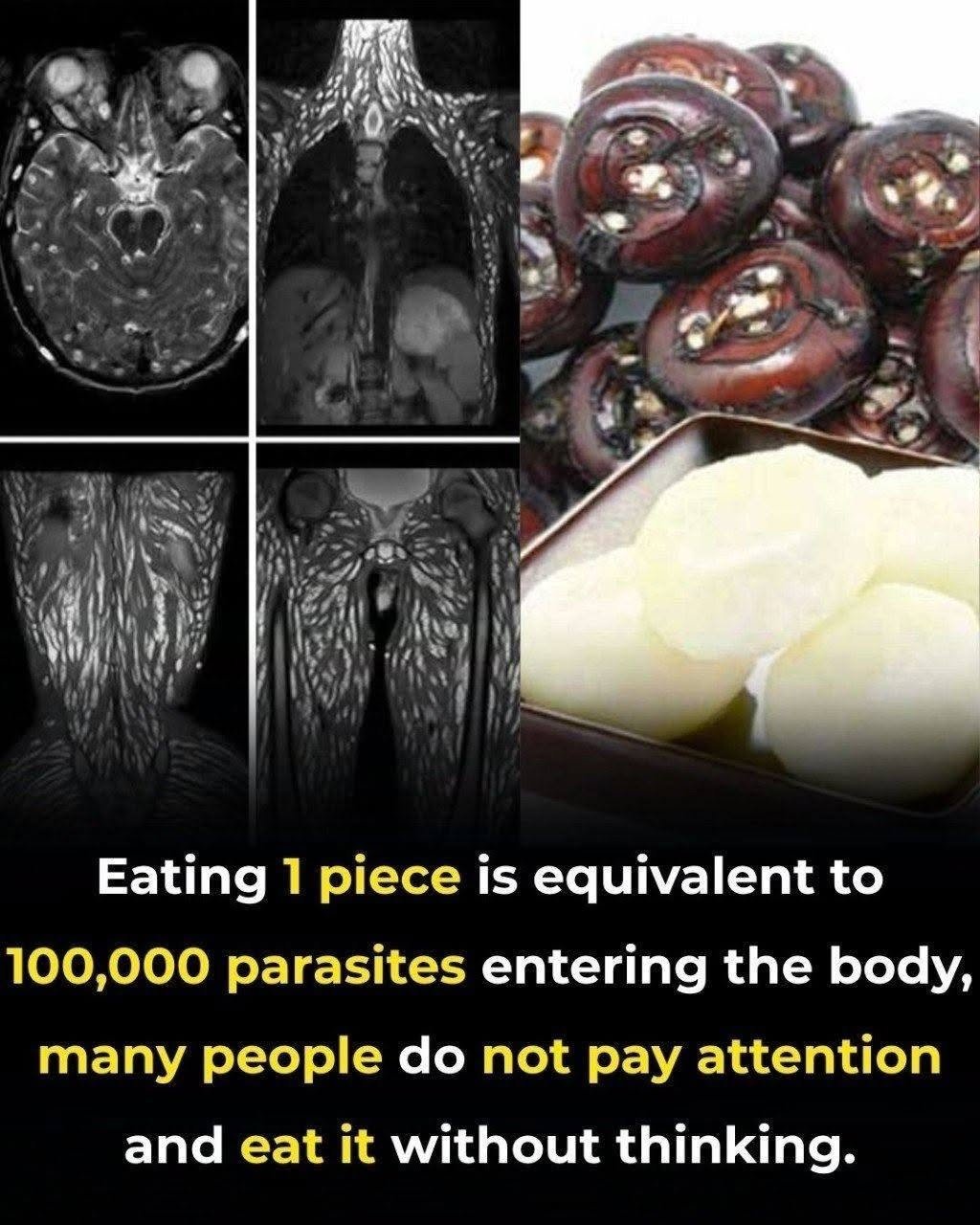
Headlines claiming that eating “just one bite” of a specific food is instantly harmful rely on toxicological panic rather than how the human body actually processes nutrients.
In mainstream wellness culture, foods are frequently demonized as toxic, poisonous, or entirely forbidden based on the false premise that your body has zero tolerance for anything less than pristine purity. In reality, toxicology—the study of poisons—is governed by a foundational principle established centuries ago by Paracelsus: “The dose makes the poison.”
Why “One Bite” Fallacies Fail Basic Science
Your body is equipped with a sophisticated, multi-layered detoxification and metabolic system—primarily centered around your liver, kidneys, and gastrointestinal tract—designed precisely to process everyday compounds, natural toxins, and trace chemicals without failing.
When viral headlines claim a single bite of a certain food will wreck your health, they typically exaggerate one of three things:
-
Trace Contaminants: Finding microscopic traces of heavy metals or pesticides in a food product sounds alarming, but regulatory agencies establish strict safety thresholds far below the level that would cause any physiological harm. A single bite introduces a negligible, easily cleared amount.
-
Processed Ingredients: Foods containing added sugars, sodium, or refined seed oils are often vilified as if a single bite triggers instant metabolic dysfunction. In truth, human metabolism handles occasional, minor dietary exposures effortlessly; chronic, long-term dietary patterns are what actually influence health outcomes.
-
Natural Toxins in Plants: Many whole foods (like raw cassava, green potatoes, or unpasteurized products) contain natural defensive compounds or bacteria. While eating them in unsafe quantities or raw states can cause illness, culinary preparation and normal digestion neutralize them entirely.
The Real Difference Between Indulgence and Toxicity
There is a massive physiological gap between enjoying an occasional treat, processed food, or controversial ingredient and suffering actual harm:
-
Frequency and Quantity: Eating a processed snack or a food item with controversial ingredients once in a while has a negligible impact because your metabolic reserves easily handle the load. Damage requires chronic, high-volume exposure over years.
-
Metabolic Resilience: A healthy liver and pair of kidneys process metabolites continuously. They do not hold onto single “bites” of food like a permanent stain; they break them down, utilize what is useful, and excrete the rest.
The Bottom Line
Your health is shaped by your overall lifestyle, chronic dietary habits, and long-term behaviors—not by a single bite of food. You do not need to live in fear of accidental dietary slip-ups or sensationalized food warnings.
