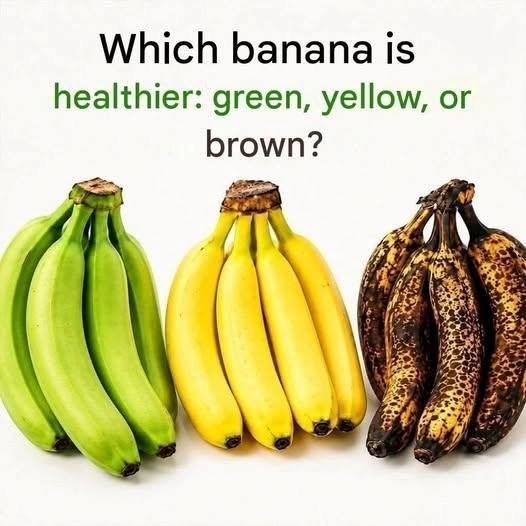
Choosing between green, yellow, and spotty brown bananas comes down to how your body processes different types of carbohydrates. No single stage is universally “healthier”—each ripeness level offers distinct nutritional advantages depending on your digestive needs and metabolic goals.
1. Green Bananas (Unripe)
-
Nutritional Profile: Lowest in sugar, highest in resistant starch.
-
How It Works: Resistant starch functions similarly to soluble fiber. It passes through your small intestine without being fully broken down, slowing digestion and feeding the beneficial bacteria in your large colon.
-
Best For: Individuals managing blood sugar levels (such as those with prediabetes or type 2 diabetes) or anyone looking to improve gut health. Because the starch takes longer to break down, green bananas cause a much slower, more gradual rise in blood glucose.
-
The Trade-Off: They can be firmer, less sweet, and harder to digest for people with sensitive stomachs, occasionally causing mild bloating or gas.
2. Yellow Bananas (Ripe)
-
Nutritional Profile: Balanced levels of simple carbohydrates, moderate fiber, and peak vitamin and mineral content.
-
How It Works: As the banana ripens, enzymes break down complex starches into simple sugars (fructose, glucose, and sucrose), making them sweet and very easy for the digestive tract to process.
-
Best For: Everyday snacking and sustained daily energy without heavy digestive effort.
-
The Trade-Off: They have a higher glycemic index than green bananas, meaning they enter the bloodstream faster.
3. Spotty Brown Bananas (Overripe)
-
Nutritional Profile: Highest in simple sugars, lowest in resistant starch, and exceptionally high in antioxidants.
-
How It Works: Those brown spots (sugar spots) indicate that nearly all the remaining starch has converted into simple sugars. At this stage, bananas are very easy on a compromised or sensitive stomach. Furthermore, as fruit breaks down, its antioxidant levels rise, and studies show these heavily ripe bananas produce higher levels of tumor necrosis factor (TNF) activity in lab settings, supporting immune defense.
-
Best For: Athletes needing an instant surge of quick energy right before or during a hard workout, or individuals recovering from a gastrointestinal illness who need easily digestible calories.
-
The Trade-Off: They cause a much faster spike in blood sugar, making them less ideal for anyone needing stable, steady glycemic control.
The Bottom Line
-
Choose green if you want better blood sugar control and gut health.
-
Choose yellow for balanced, everyday nutrition and easy digestion.
-
Choose spotty brown for quick workout fuel or if you have a sensitive stomach.
