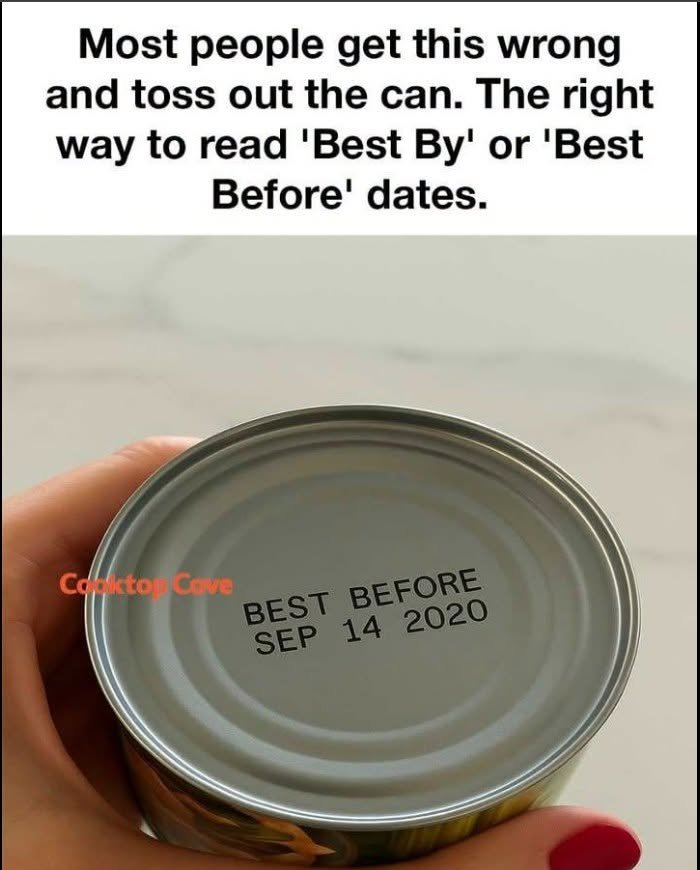
Headlines warning that “most people get this wrong and toss out the can” rely on classic food-waste clickbait, using fear and confusion over expiration labels to make an everyday pantry decision feel like a high-stakes gamble.
When you look past the alarmist framing and examine actual food safety regulations, understanding date labels is straightforward. Knowing the difference between food safety and food quality prevents you from throwing away perfectly good groceries.
Why “Expiration Date” Clickbait Misleads
Sensationalized food articles thrive on a fundamental misunderstanding of what package dates actually communicate:
-
Conflating Safety with Quality: Viral posts often treat all dates as strict biological countdowns after which food instantly becomes toxic. In reality, federal food safety agencies (like the USDA) clarify that with the sole exception of infant formula, date labels are almost entirely manufacturer estimates of optimum quality and peak flavor, not safety deadlines.
-
The “Toss It All” Fallacy: Articles exploit liability-driven phrasing (“Best By,” “Sell By,” “Use By”) to panic consumers into discarding wholesome shelf-stable goods prematurely, contributing to massive household food waste.
The Real Meaning Behind Date Labels
To stop wasting good food, it helps to understand what each label actually signifies:
-
“Best Before” or “Best By”: This indicates when the product will be at its absolute best flavor or texture. Long after that date passes, canned goods, dried pasta, cereals, and frozen foods remain safe to consume, provided the packaging is undamaged.
-
“Sell By”: This is a stock-rotation guide for the grocery store, telling retailers how long to display the product. It is not a safety date for the consumer at home.
-
“Use By”: This is the last date recommended for the product while at peak quality. While often found on perishable items (like meat, poultry, or dairy), even these are quality guides rather than immediate poison lines—though perishables require careful sensory checking (smell, texture, appearance).
How to Actually Judge Canned and Packaged Goods
Instead of blindly obeying a printed date on a can, use your senses and inspect the packaging:
-
Inspect the Can’t Integrity: Discard any can that is deeply dented along the seams, bulging, leaking, or spurting liquid upon opening. These are telltale signs of compromised seals that could allow harmful bacterial growth (such as Clostridium botulinum).
-
The Sensory Test: Once opened, check the contents for unusual odors, discoloration, mold, or off-textures. If it looks, smells, and tastes normal, it is safe to eat.
The Bottom Line
Ignore the viral clickbait trying to make you throw away perfectly good canned goods based on a date alone. For shelf-stable items, “Best By” is a recommendation of flavor, not a safety expiration—trust your eyes, nose, and common sense instead of the trash bin.
