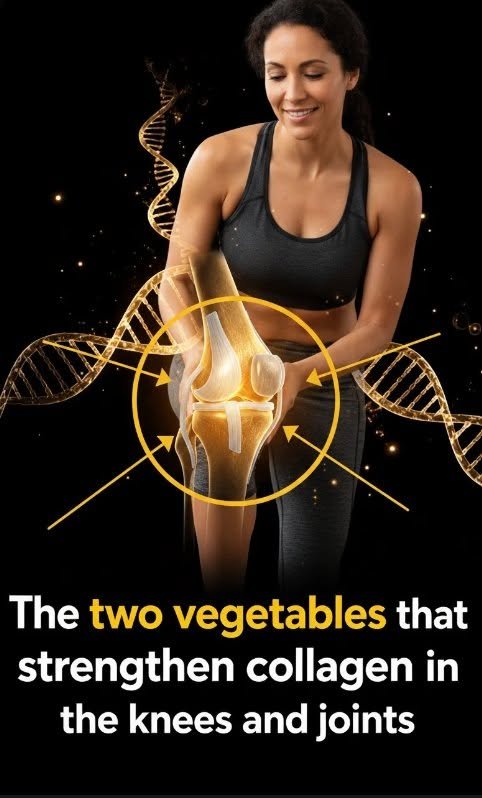
Headlines promising that “two fruits regenerate collagen in the knees” rely on classic health-clickbait formulas: taking a grain of nutritional truth—such as the role of vitamin C in collagen synthesis—and stretching it into a miraculous, joint-healing fairy tale.
Whether the article points to citrus fruits, tropical pineapples, or berries, the underlying promise is always the same: eat a specific fruit, and watch worn-out knee cartilage magically rebuild itself. Understanding the actual biology of joint cartilage helps separate nutritional science from internet hype.
Why “Collagen-Regenerating Fruit” Clickbait Misleads
Sensationalized health posts thrive on oversimplifying how the human body repairs tissue:
-
The “Direct Delivery” Fallacy: Clickbait assumes that eating a fruit containing collagen-building nutrients will automatically dispatch those nutrients straight to your knee joint to patch up worn cartilage. In reality, when you eat food, your digestive system breaks proteins and vitamins down into basic amino acids and molecules, distributing them wherever the body needs them most—not straight to a specific spot on your meniscus.
-
The Myth of Cartilage Regeneration: Adult articular cartilage (the smooth tissue cushioning the ends of your bones in the knee) has a notoriously poor blood supply. Once it is severely worn down by osteoarthritis or injury, the body cannot naturally regenerate it into brand-new, original cartilage simply by eating certain foods.
The Real Role of Fruit in Joint Health
While fruits cannot magically regrow lost knee cartilage, they play a genuinely important supporting role in overall joint wellness:
-
Vitamin C as a Cofactor: Fruits rich in Vitamin C (like oranges, strawberries, kiwi, and guava) are vital because Vitamin C is a necessary chemical cofactor for the enzymes that synthesize collagen throughout the body. Without enough Vitamin C, your body cannot properly form new collagen for tendons, ligaments, and skin.
-
Combating Joint Inflammation: Many fruits are packed with powerful antioxidants and polyphenols (such as anthocyanins in tart cherries or berries) that help reduce systemic oxidative stress and low-grade inflammation, which can ease the joint stiffness and discomfort associated with arthritis.
What Actually Protects Your Knees
If you want to maintain healthy knees and manage joint wear, focus on proven mechanical and lifestyle habits rather than searching for a magic fruit:
-
Low-Impact Strengthening: Building strength in the quadriceps, hamstrings, and calves (via cycling, swimming, or targeted physical therapy) supports the knee joint and absorbs the physical load of everyday movement.
-
Weight Management: Every pound of excess body weight places roughly four pounds of pressure on your knee joints. Maintaining a healthy weight dramatically reduces daily wear and tear.
-
Medical Guidance: For persistent joint pain, consult a physician or physical therapist for evidence-based treatments like targeted joint injections, physical therapy, or proper anti-inflammatory management.
The Bottom Line
Ignore the viral clickbait claiming two fruits will regenerate your knee cartilage. While eating a colorful, fruit-rich diet provides essential nutrients that support overall connective tissue health, protecting your knees is about maintaining strength, managing physical load, and working with medical professionals—not relying on a single nutritional shortcut.
