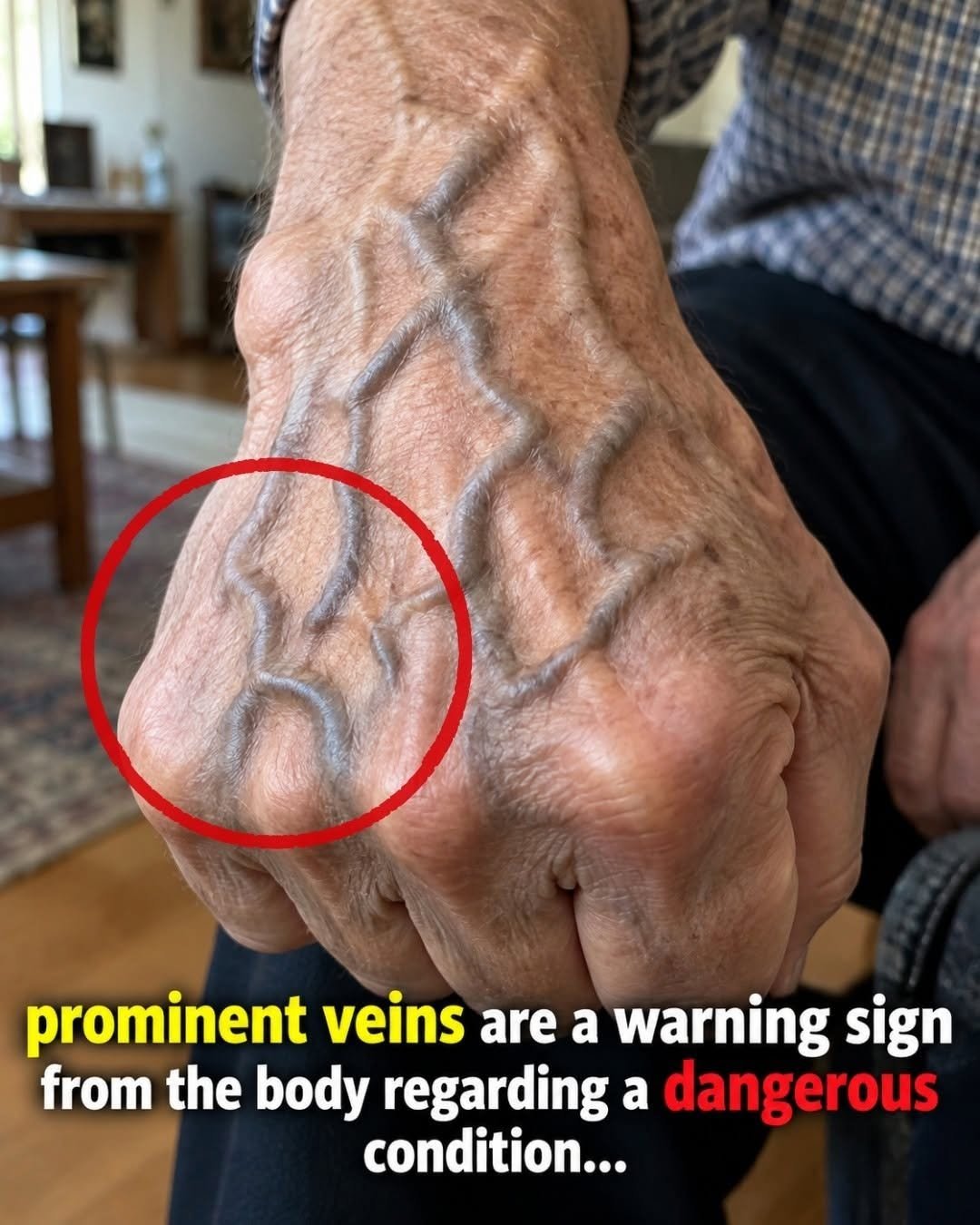
Why Blue Veins Become More Prominent After 60
-
Thinning Subcutaneous Fat & Skin: As we age, the fatty layer beneath the skin (subcutaneous fat) naturally thins and collagen production declines. This reduces the natural “padding” that hides blood vessels, making superficial veins far more visible against the surface.
-
Venous Valve Weakness: Veins rely on tiny, one-way internal valves to push blood upward against gravity back to the heart. Over decades, these valves can weaken or lose elasticity, causing blood to pool slightly in superficial veins (a primary contributor to varicose and spider veins).
-
Loss of Vascular Elasticity: Arteries and veins gradually lose their youthful elastin and collagen fibers, causing vessels to widen, lengthen, and twist closer to the skin’s surface.
-
Chronic Venous Pressure: Long periods of standing or sitting, coupled with reduced calf muscle pump activity, increase internal pressure within the lower extremities, stretching superficial vein walls.
Key Distinctions: Normal Aging vs. Venous Insufficiency
Action Steps to Support Vascular Health
-
Elevate Your Legs Daily: Spend 15 minutes twice a day with your feet propped up above the level of your heart to assist venous return.
-
Activate Your Calf Muscles: Regular low-impact movement—such as walking, swimming, or seated ankle pumps—strengthens the muscular pump that pushes blood upward.
-
Wear Gradient Compression Hosiery: If recommended by your physician, properly fitted compression stockings provide external support to weak vein walls and prevent pooling.
-
Consult a Vascular Specialist: If visible veins are accompanied by persistent ankle swelling, night cramps, skin discoloration, or localized pain, request a venous duplex ultrasound to evaluate valve function.
