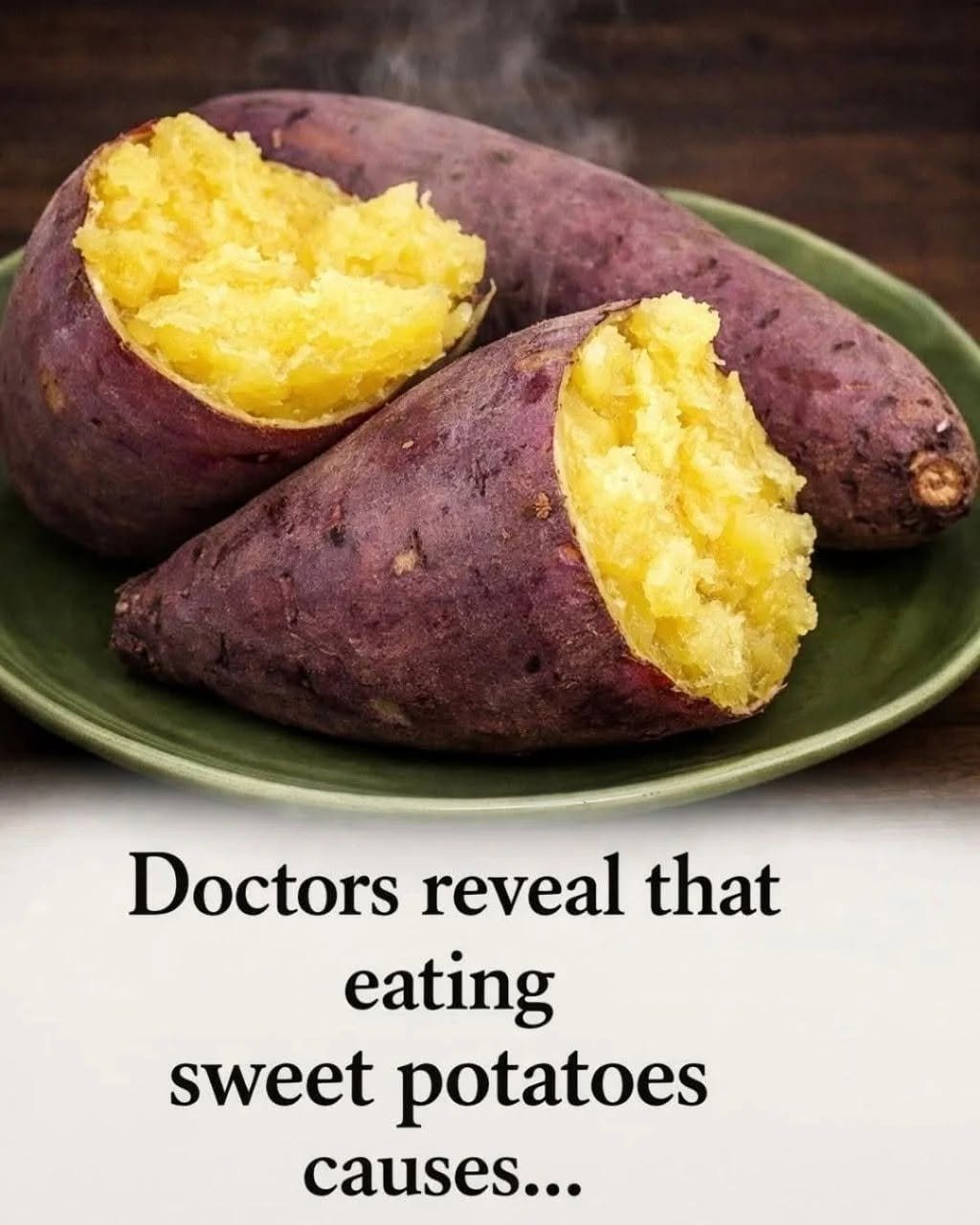
When wellness clickbait and sensationalized food blogs use an ominous ellipsis to tease a headline like “Doctors reveal that eating sweet potatoes causes…” they are setting up a classic trap. They want you to fear that a nutrient-dense, fiber-packed root vegetable is secretly destroying your health.
In clinical reality, completing that sentence doesn’t reveal a toxic hazard—it highlights normal, highly beneficial metabolic and physiological processes.
What Eating Sweet Potatoes Actually Causes
Sweet potatoes are celebrated in nutritional science for a reason. Incorporating them into a balanced diet predictably causes several positive physiological outcomes:
-
Sustained Energy and Blood Sugar Stability: Unlike refined white potatoes or white flour products, sweet potatoes are rich in complex carbohydrates and viscous soluble fiber. This slows down digestion and the rate at which glucose enters the bloodstream, preventing the sharp blood sugar spikes and crashes associated with simple sugars.
-
Cellular Protection and Antioxidant Activity: The vibrant orange and purple varieties of sweet potatoes are loaded with beta-carotene (which your body converts into Vitamin A) and anthocyanins. These powerful antioxidants scavenge free radicals, reducing oxidative stress and supporting immune and visual health.
-
Enhanced Digestive Regularity: The high fiber content in sweet potatoes feeds beneficial gut microbiota and adds bulk to stool, promoting smooth, healthy gastrointestinal function.
What Clickbait Warnings Exaggerate
Sensationalized posts love to twist wholesome foods into alarming threats to drive clicks:
-
The “Toxic Sugar Spike” Fallacy: Clickbait articles often claim that because sweet potatoes taste sweet, they will instantly wreck your metabolism or trigger diabetes. In reality, their low-to-moderate glycemic index makes them an excellent, nutrient-dense carbohydrate source when prepared without heavy drenchings of sugar and marshmallows.
-
The “Beta-Carotene Orange Skin” Panic: Occasionally, viral posts warn that eating sweet potatoes will turn your skin bright orange. While consuming massive, daily quantities of beta-carotene over months can lead to a harmless, reversible condition called carotenodermia (where the outer layer of skin takes on a yellowish-orange tint, usually most noticeable on the palms and soles), it is entirely benign and requires no medical intervention beyond moderating intake.
The Bottom Line
Eating sweet potatoes causes a boost in vital antioxidants, steady dietary fiber, and sustained energy. Unless you have been instructed by a physician to follow a strict low-carbohydrate or low-potassium medical diet, enjoying sweet potatoes is an exceptionally healthy choice—no internet panic required.
