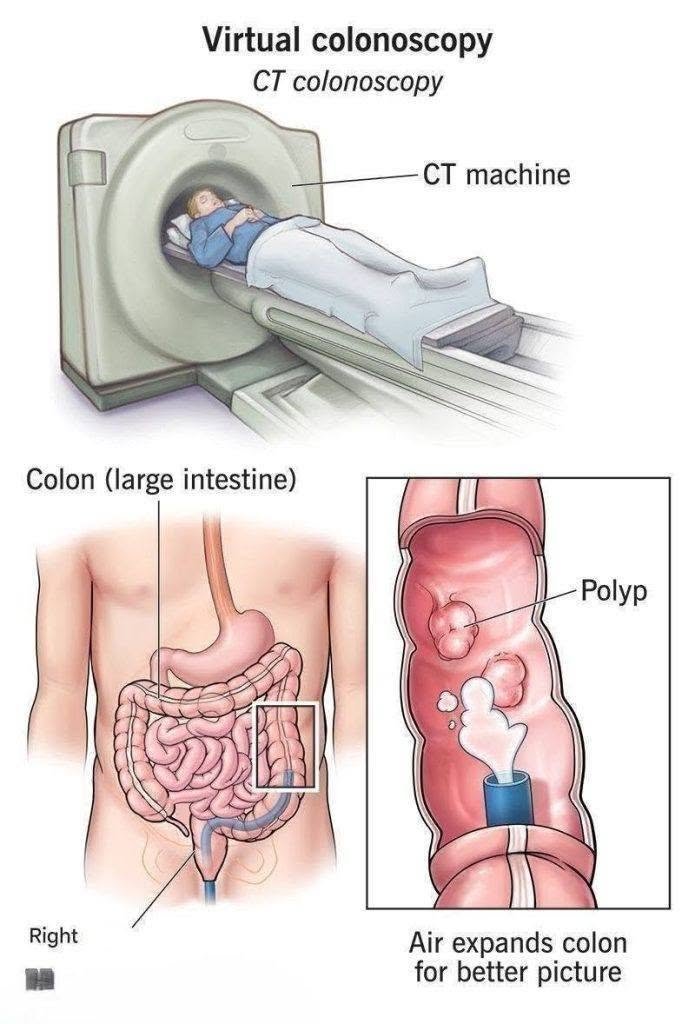
When clickbait health headlines or viral social media posts tease a breathless medical breakthrough like “New method: colonoscopy will no longer be an invasive examination Enema (1/2),” they are capitalizing on widespread anxiety about traditional screening procedures to drive engagement.
While colonoscopies require thorough bowel preparation (enemas or laxative flushes) and physical insertion of a scope, framing recent advancements as a sudden, total elimination of standard screening is medically misleading.
The Reality of Modern Colorectal Screening Options
Gastroenterology and preventative medicine have advanced significantly, offering patients multiple clinically validated screening tools. However, each serves a specific diagnostic purpose:
-
Traditional (Optical) Colonoscopy: Remains the gold standard of screening because it is both diagnostic and therapeutic. A flexible tube with a camera allows a physician to view the entire colon lining in real-time, instantly biopsy suspicious tissue, and remove precancerous polyps during the exact same procedure. Bowel preparation (clearing the colon) is still clinically necessary for the doctor to clearly see the tissue.
-
Stool-Based Tests (e.g., Cologuard, FIT): Non-invasive tests that screen for hidden blood or abnormal DNA shed by polyps or tumors in the stool. While they require no scope or bowel prep, they are screening tools; if a stool test comes back positive, the patient must follow up with a traditional optical colonoscopy to investigate and remove any findings.
-
CT Colonography (Virtual Colonoscopy): Uses specialized X-ray equipment to generate 2D and 3D images of the large intestine. While it is less invasive than an optical scope, it still requires a full bowel preparation cleanse to empty the colon, and if polyps are found, a follow-up optical colonoscopy is required to remove them.
What Clickbait Claims Get Wrong
Sensationalized posts often misrepresent how screening technology works to create false hope or panic:
-
The “Enemas Are Gone Forever” Myth: Clickbait often implies that you can completely bypass bowel preparation. In reality, any method that looks at the interior mucosal lining of the colon requires the bowel to be completely empty of stool so doctors can detect tiny, flat polyps.
-
Equating “Screening” with “Treatment”: Non-invasive stool tests are wonderful for low-risk screening, but they cannot remove polyps or treat early-stage lesions. Pretended “replacements” often gloss over the fact that a positive non-invasive test still leads back to a standard colonoscopy.
The Bottom Line
Advancements in non-invasive stool and imaging tests offer fantastic alternative screening options for average-risk individuals, making early detection more accessible than ever. However, optical colonoscopy remains unmatched for its ability to both find and remove precancerous growths in one step. If you are due for colorectal cancer screening, talk to your doctor about which method best fits your age, risk factors, and personal preferences—no clickbait hype required.
