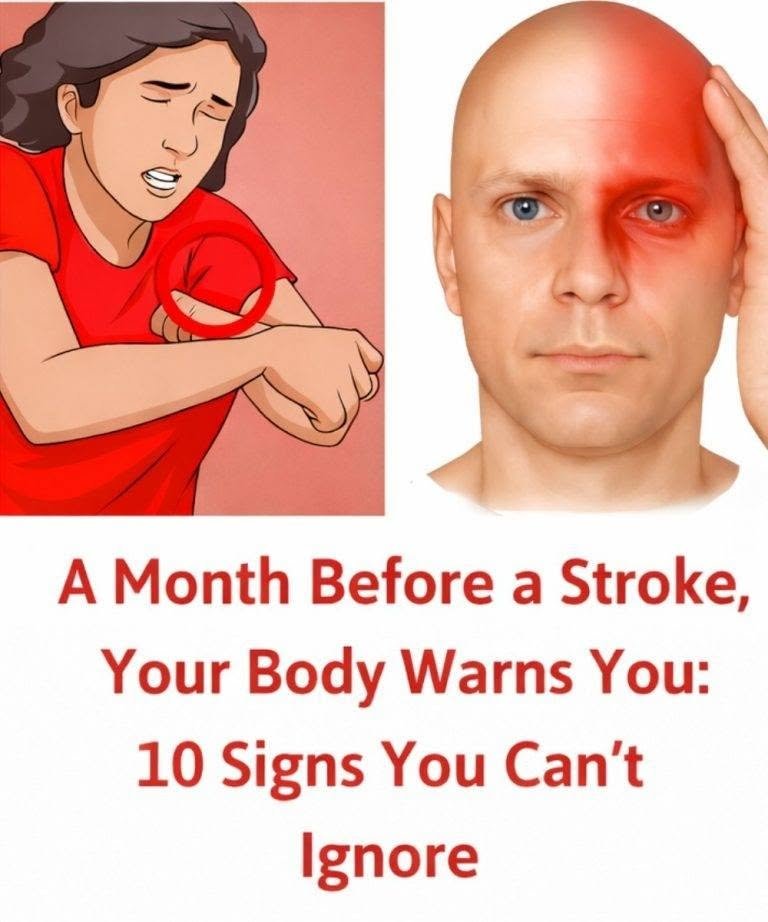
When alarmist health articles and viral videos flash terrifying headlines like “A month before a stroke, your body warns you: 10 signs not to ignore,” they are exploiting a very real, critical medical emergency to drive panic and clicks.
While the brain does sometimes send warning signals before a major ischemic event—most notably through transient ischemic attacks (TIAs), often called “ministrokes”—framing these symptoms as a neat, predictable 30-day countdown is medically inaccurate and dangerous.
The Reality of Stroke Warning Signs: TIAs
A TIA occurs when a blood clot temporarily blocks an artery in the brain, causing stroke-like symptoms that typically resolve within minutes to a few hours without leaving permanent damage.
-
The Clinical Significance: A TIA is not a harmless prelude; it is a major medical red flag. Approximately 10% to 15% of people who experience a TIA will suffer a full stroke within three months, with the highest risk concentrated in the first few days and weeks following the event.
-
Why Timing Varies: Warning signs do not neatly appear a month in advance. They can happen days, hours, or moments before a stroke, and they demand immediate medical evaluation rather than passive waiting.
The Real Signs to Watch For (The FAST Acronym)
Neurologists and emergency physicians rely on clear, evidence-based indicators to identify acute stroke and TIA symptoms. The most reliable framework for recognizing these signs is FAST:
-
F – Face Drooping: Does one side of the face droop, or is it numb? If the person smiles, is the smile uneven?
-
A – Arm Weakness: Is one arm weak or numb? If the person tries to raise both arms, does one drift downward?
-
Speech Difficulty: Is speech slurred, are they unable to speak, or are they hard to understand?
-
T – Time to Call Emergency Services: If a person shows any of these symptoms—even if they go away—call emergency services immediately. Time is brain tissue; rapid medical intervention can restore blood flow and prevent permanent disability.
Other Potential Warning Signs
In addition to the classic FAST symptoms, a TIA or stroke can temporarily affect other localized areas of the brain, causing sudden-onset signs such as:
-
Sudden Vision Changes: Loss of vision, double vision, or blurring in one or both eyes.
-
Sudden Balance or Coordination Loss: Dizziness, trouble walking, or a sudden loss of balance.
-
Sudden Severe Headache: An unexplained, intensely painful headache with no known cause.
What Clickbait “Warning Lists” Get Wrong
Sensationalized posts often manipulate the public by spreading unhelpful myths:
-
Vague Daily Symptoms as “Stroke Predictors”: Clickbait articles frequently list generic complaints like feeling tired, mild hand stiffness, or occasional brain fog weeks in advance as “guaranteed signs” of an impending stroke. In reality, these are common symptoms of everyday stress, poor sleep, or minor aches—not acute vascular blockages.
-
Delaying Care: By framing symptoms as something that started “a month ago” to be monitored at home, clickbait dangerously discourages people from seeking urgent emergency care when a stroke or TIA is actually unfolding.
The Bottom Line
Stroke warning signs are real, but they are acute medical emergencies, not a month-long countdown. If you or someone around you experiences sudden facial drooping, arm weakness, or slurred speech, do not scroll the internet looking for listicles—call emergency services right away.
