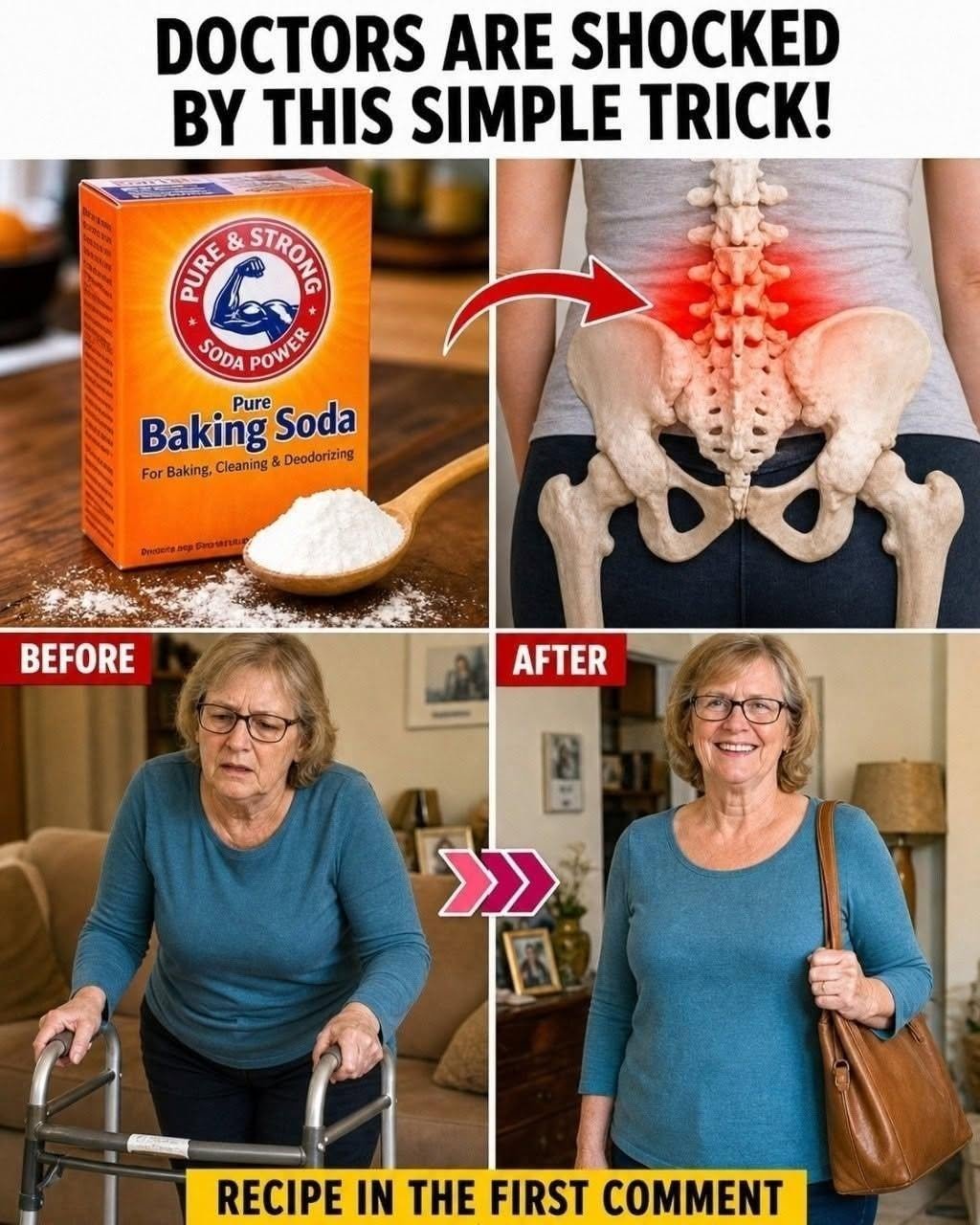
When viral lifestyle videos and sensationalized articles target older adults with breathless headlines like “SENIORS: Use BAKING SODA THIS WAY and see how up to 13 common health problems…”, they wrap an ordinary kitchen leavening agent in dangerous medical folklore. By promising that a cheap box of sodium bicarbonate can single-handedly resolve a laundry list of chronic age-related conditions, these claims trade clinical safety for clickbait engagement.
What Clickbait Baking Soda Claims Get Wrong
-
The “Panacea” Fallacy: Content pieces treat a single household chemical as a universal cure-all, suggesting it can simultaneously reverse joint degeneration, high blood pressure, digestive disorders, and systemic illness.
-
Ignoring Senior-Specific Vulnerabilities: Recommending daily chemical regimens to older populations completely overlooks how sensitive aging organ systems—particularly the kidneys and cardiovascular system—are to sudden shifts in sodium and pH balance.
The Clinical Reality: What Baking Soda Actually Does
Physicians and pharmacologists view sodium bicarbonate through a strict, specialized lens rather than a wellness tonic:
-
Short-Term Antacid Action: Chemically, sodium bicarbonate is an alkaline salt. In clinical medicine, it is used for occasional, short-term relief of acute acid indigestion by reacting with and neutralizing stomach hydrochloric acid. It is never intended for long-term daily use.
-
Targeted Clinical Supervision in Nephrology: In specific medical contexts—such as managing mild metabolic acidosis in patients with chronic kidney disease—nephrologists sometimes prescribe oral bicarbonate. However, this requires precise blood-panel monitoring, exact weight-based dosing, and ongoing medical oversight. It is not an indiscriminate DIY remedy.
The Hidden Dangers of Unmonitored Daily Ingestion
Drinking baking soda mixtures as a general health habit carries severe, documented physiological risks, particularly for seniors:
-
Sodium Overload and Cardiovascular Strain: Baking soda is exceptionally high in sodium. For older adults—many of whom manage hypertension, heart failure, or fluid retention—regular sodium bicarbonate intake can sharply elevate blood pressure and strain cardiovascular function.
-
Metabolic Alkalosis and Electrolyte Disruption: Introducing unmeasured alkaline loads into the body can disrupt delicate blood pH and electrolyte balances. Severe metabolic alkalosis can cause confusion, muscle twitching, nausea, and dangerous heart rhythm disturbances.
-
Medication Interferences: Regular ingestion of an antacid alters stomach acidity and urinary pH, which can dangerously interfere with the absorption and efficacy of common prescription drugs, including heart medications and diuretics.
Evidence-Based Approaches to Healthy Aging
Instead of risking adverse reactions on unverified internet shortcuts, managing health in later life relies on established medical care:
-
Consult Your Healthcare Team: Always discuss any proposed supplements, home remedies, or dietary changes with a physician or pharmacist to screen for drug interactions and underlying health risks.
-
Focus on Proven Foundations: Prioritize evidence-based strategies for longevity, such as routine cardiovascular checkups, balanced nutrition tailored to individual metabolic needs, and supervised physical activity.
