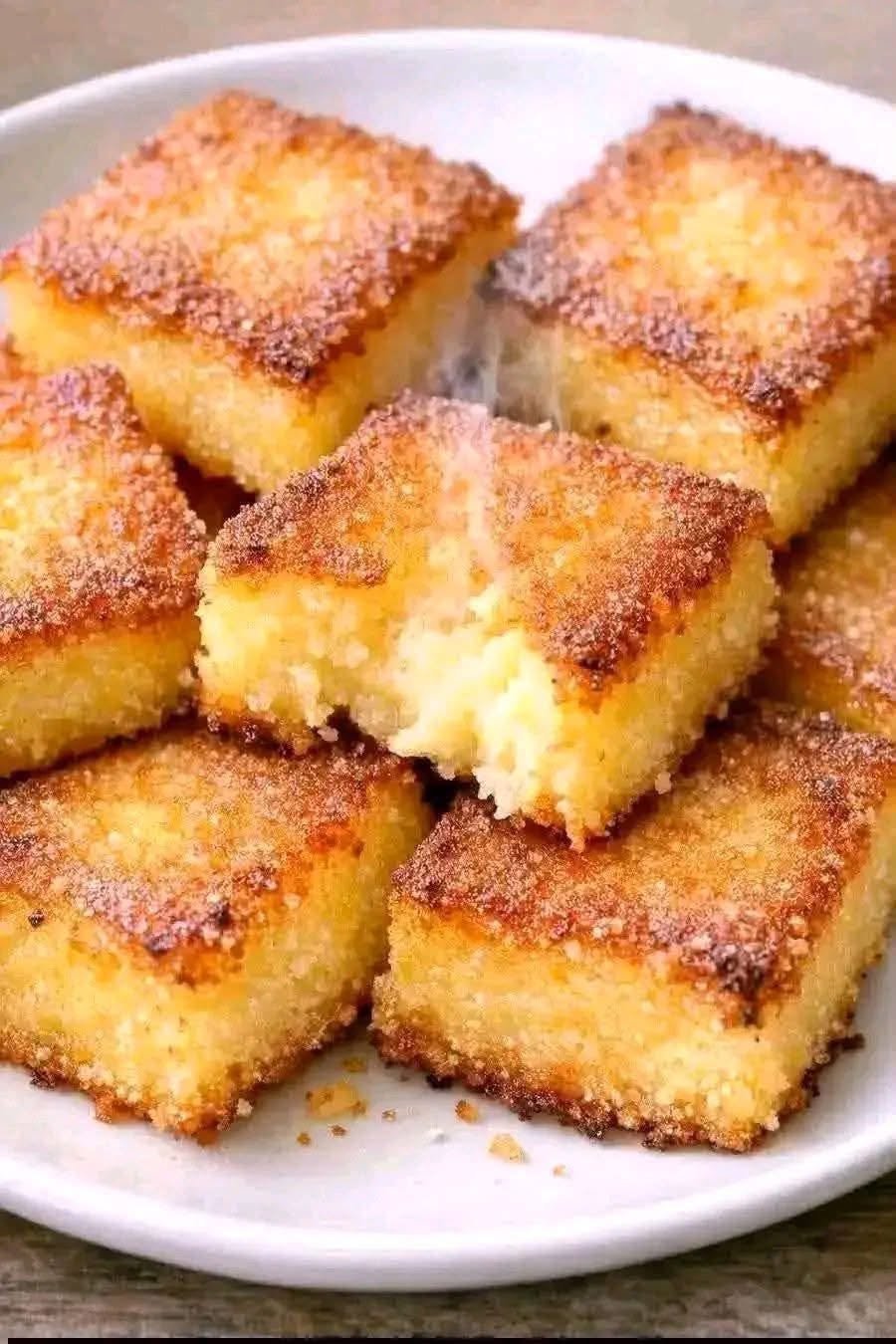
When nostalgic food blogs and historical recipe roundups spotlight cornmeal mush bars—often framed as a depression-era secret or a forgotten rustic marvel—they lean heavily into romanticized folklore. By wrapping a basic, budget-friendly staple in tales of “grandma’s magic skillet trick,” these articles treat a simple chemical reaction like an elusive culinary mystery.
In food science and practical kitchen practice, cornmeal mush bars (historically known as fried mush, and globally recognized in its Italian counterpart, polenta) are simply an exercise in starch behavior and thermodynamics.
What Clickbait “Vintage Recipe” Claims Get Wrong
-
The “Lost Secret” Fallacy: Content pieces often present fried mush as a mysterious, lost art, ignoring the reality that cooking coarsely ground corn grains with water and letting them set is one of the oldest, most fundamental techniques in grain cookery across global cultures.
-
The Health Halo or Heavy-Handed Trap: Depending on the blog, fried mush is either marketed as an ultra-clean wholesome superfood or weighed down with excessive frying fats and heavy syrups, masking its true identity as a simple, versatile carbohydrate base.
The Culinary Science Reality: How Mush Becomes a Bar
The transformation from a loose porridge into crisp, sliceable bars relies entirely on two core phases of starch chemistry:
-
Gelatinization: When cornmeal is boiled in water or milk, the heat breaks down the intermolecular bonds of the starch molecules (amylose and amylopectin). The starch granules swell and absorb the liquid, trapping moisture and turning the mixture into a thick, uniform gel (porridge or soft polenta).
-
Retrogradation and Setting:As the hot mush is poured into a loaf pan and cooled in the refrigerator, those swollen starch molecules realign and recrystallize into a rigid, semi-solid matrix. This process—known as retrogradation—is what allows the soft porridge to firm up overnight into a solid block that can be cleanly sliced into individual bars.
-
The Maillard Reaction and Lipid Heat Transfer: When the chilled cornmeal bars are placed in a hot skillet with a small amount of oil or butter, thermal energy evaporates surface moisture while browning the exterior. This creates a texturally satisfying contrast: a crisp, golden crust encasing a warm, creamy interior.
Evidence-Based Approaches to Cornmeal Bars
If you enjoy making cornmeal mush or polenta bars at home, a balanced culinary approach focuses on execution and nutritional context:
-
Manage Cooking Times: Ensure the cornmeal is thoroughly boiled and cooked down initially (usually 10 to 15 minutes) so the raw, gritty starch taste is fully eliminated before chilling.
-
Control Frying Fats: While traditional recipes often call for heavy butter or bacon grease, modern non-stick pans or air fryers allow you to achieve a crisp crust with minimal oil, keeping the dish lighter.
-
Balance Your Toppings: Whether you prefer them savory (topped with herbs, eggs, or cheese) or sweet (with a modest touch of real maple syrup or fruit), view the cornmeal bar primarily as a complex carbohydrate base that fits into a balanced meal.
