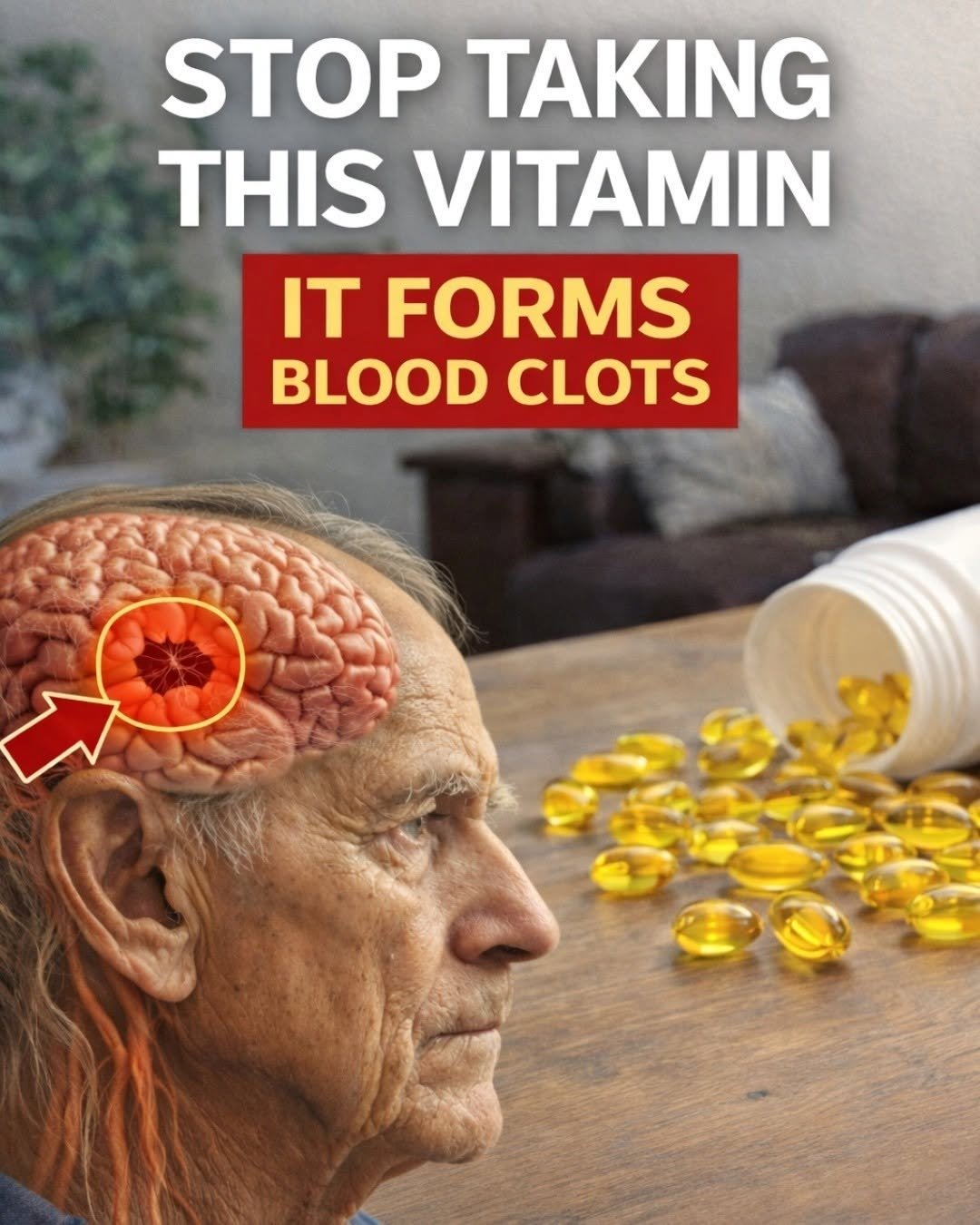
When sensationalized wellness videos and clickbait articles flash headlines like “As a Brain Doctor, I’m Shocked This Common Vitamin Could Raise Stroke Concerns for Seniors,” they lean on a classic, fear-driven formula. By combining a fake practitioner’s dramatic emotional reaction (“I’m shocked!”) with a terrifying vascular threat (strokes) targeting older adults, these pieces turn routine nutritional science into an engine for internet panic.
What Clickbait “Vitamin Stroke” Claims Get Wrong
-
The “Megadose Equals Normal Diet” Fallacy: Clickbait headlines routinely take the side effects of extreme, unmonitored megadoses used in specialized clinical trials and falsely apply them to normal dietary intake or standard, physician-guided multivitamins.
-
Cherry-Picking Isolated Associations: Sensationalized posts strip complex epidemiological data out of context, framing a weak statistical correlation or an outdated hypothesis as an absolute, imminent danger to every senior who takes a supplement.
The Clinical Reality: How Vitamins and Vascular Health Actually Intersect
Neurologists, geriatricians, and clinical pharmacologists view micronutrients through a precise, evidence-based lens rather than broad-brush panic:
-
The Difference Between Food, Multivitamins, and High-Dose Isolates: The body processes nutrients differently depending on their source. Getting vitamins from a balanced, whole-food diet provides a matrix of fiber, antioxidants, and co-factors that regulate absorption safely. Conversely, isolating a single compound in massive, pharmaceutical-grade doses can occasionally disrupt delicate biological balances—which is why doctors evaluate supplements on a case-by-case basis.
-
The Role of B-Vitamins and Vascular Integrity: Certain vitamins, such as the B-complex group (specifically B6, B12, and folate), play vital roles in regulating homocysteine, an amino acid in the blood. Elevated homocysteine levels are independently linked to vascular damage and increased stroke risk. Far from causing strokes, maintaining adequate levels of these nutrients under clinical guidance supports healthy circulation and neurological function.
-
Contextualizing Historical Controversies: Whenever headlines claim a vitamin “causes” heart issues or strokes, they are usually distorting older, nuanced studies—such as trials examining high-dose, single-nutrient antioxidant supplementation in patients with pre-existing, advanced cardiovascular disease. These findings do not mean a standard, low-dose daily vitamin poses a threat to a healthy older adult.
Evidence-Based Takeaways for Older Adults
Instead of reacting out of fear to dramatic internet claims about your medicine cabinet, a rational approach focuses on personalized clinical care:
-
Test, Don’t Guess: If you are worried about deficiencies or stroke risk factors (such as high blood pressure, cholesterol, or blood sugar), ask your physician for targeted blood work rather than trusting internet lists.
-
Review All Supplements with Your Doctor: Always bring a complete list of your vitamins, over-the-counter products, and prescription medications to your doctor or pharmacist. This ensures you avoid redundant dosing or unwanted interactions—especially if you take blood thinners or cardiovascular medications.
-
Prioritize Foundational Health: The most robust protection against stroke remains managing core medical metrics: keeping blood pressure within target ranges, maintaining a Mediterranean-style dietary pattern rich in whole produce, staying physically active, and avoiding smoking.
