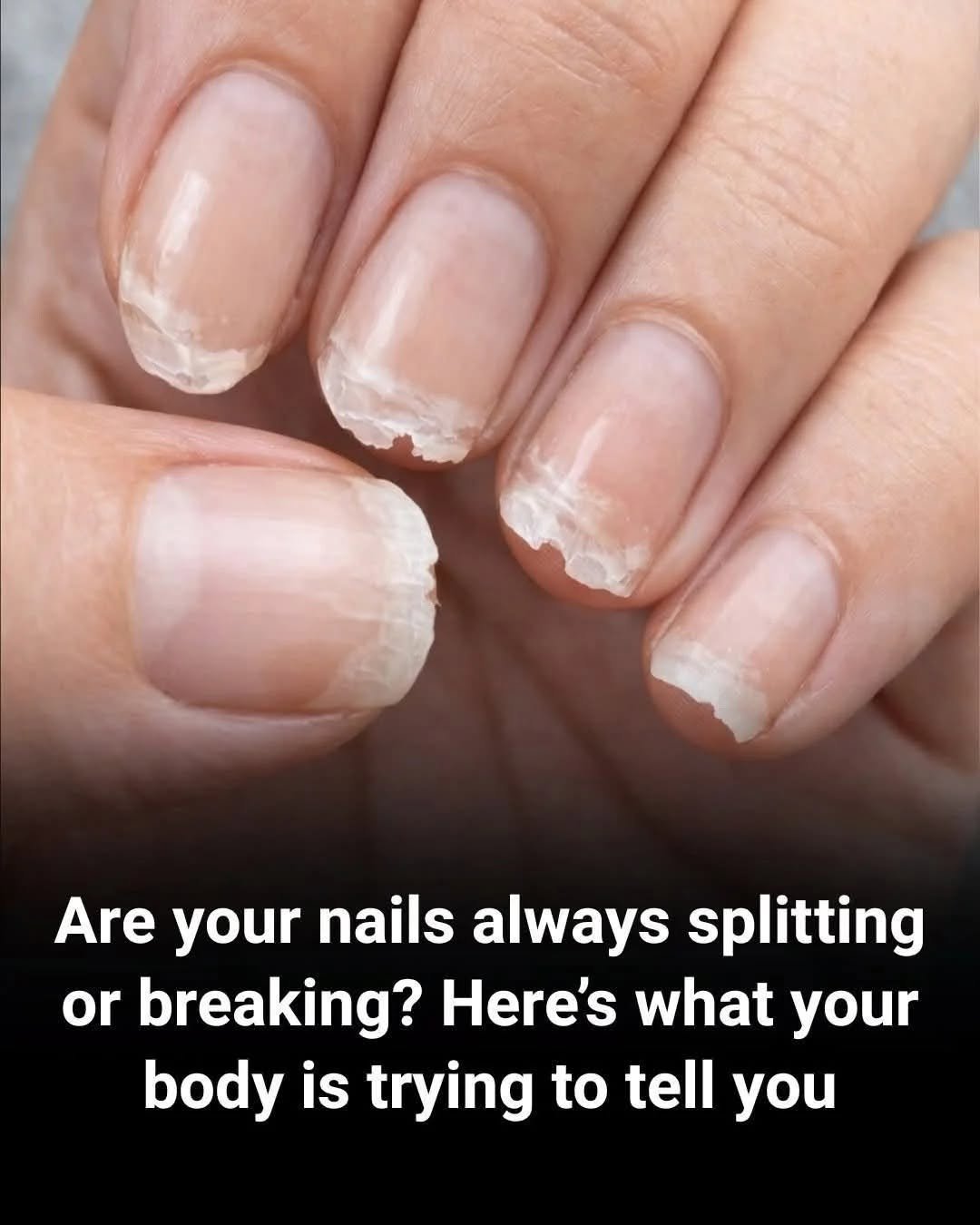
When health and wellness articles flash sensationalized headlines like “Weak or Brittle Nails: What Your Body Is Trying to Tell You,” they often use scare tactics to frame a common physical annoyance as a sign of an imminent, hidden internal crisis. By treating every cracked or peeling nail as a secret alarm bell for severe disease—while pushing unverified supplement regimens—these pieces trade clinical accuracy for engagement.
What Clickbait “Nail Sign” Claims Get Wrong
-
The “Everything is an Internal Disease” Fallacy: Clickbait articles routinely ignore the most common, everyday causes of nail fragility, instantly jumping to dramatic systemic illness to generate anxiety.
-
The “Magic Supplement” Trap: Sensationalized posts often market expensive, unmonitored vitamin cocktails or biotin megadoses as universal cures, bypassing the need to identify whether the issue is actually environmental or structural.
The Clinical Reality: Why Nails Become Brittle or Weak
Dermatologists and clinical specialists evaluate nail fragility (onychoschizia or onychorrhexis) by separating external physical factors from internal systemic conditions:
-
External Environmental and Chemical Trauma (The Most Common Cause)
-
The Mechanism: The nail plate is composed of tightly packed layers of keratin. Frequent cycles of wetting and drying (such as heavy hand-washing, dishwashing without gloves, or swimming) cause the nail plate to expand and contract, breaking down intercellular adhesion. Harsh chemicals, household detergents, acetone-based polish removers, and frequent gel manicures strip away vital natural lipids and moisture, leading to horizontal peeling (lamellar onychoschizia).
-
-
Physiological Aging and Structural Changes
-
The Mechanism: As people age—particularly postmenopause—nail growth slows down, and the nail plate naturally loses moisture and resilience. This often results in longitudinal ridging (onychorrhexis) and increased brittleness as a normal part of cellular turnover changes.
-
-
Underlying Systemic and Medical Conditions
-
Iron Deficiency Anemia: Low iron stores can impact oxygen delivery and cellular proliferation in the nail matrix, sometimes presenting as fragile nails or, in more pronounced cases, spoon-shaped nails (koilonychia).
-
Thyroid Disorders: Conditions like hypothyroidism slow down metabolic processes across the body, frequently resulting in dry, brittle, slow-growing, or thickened nails accompanied by other systemic symptoms.
-
Dermatological Inflammatory Diseases: Chronic skin conditions like psoriasis or eczema can directly affect the nail matrix, causing structural pitting, crumbling, or splitting.
-
Evidence-Based Approaches to Nail Care
Instead of panicking over internet listicles or self-prescribing random supplements, evidence-based management focuses on protection and targeted evaluation:
-
Protect Against Moisture and Chemicals: Wear rubber gloves when doing dishes, cleaning, or handling harsh chemicals. Apply a gentle hand cream or ointment containing humectants after hand washing to lock in moisture.
-
Minimize Cosmetic Trauma: Give nails a break from artificial enhancements, harsh acetone removers, and constant polish application if your nails are chronically splitting.
-
Consult a Professional for Persistent Symptoms: If brittle nails do not improve with basic protective care, or if they are accompanied by discoloration, pain, or systemic signs of fatigue and weight changes, consult a physician or dermatologist. Targeted blood work (such as checking iron panels or thyroid-stimulating hormone levels) can determine if an internal factor is truly involved.
