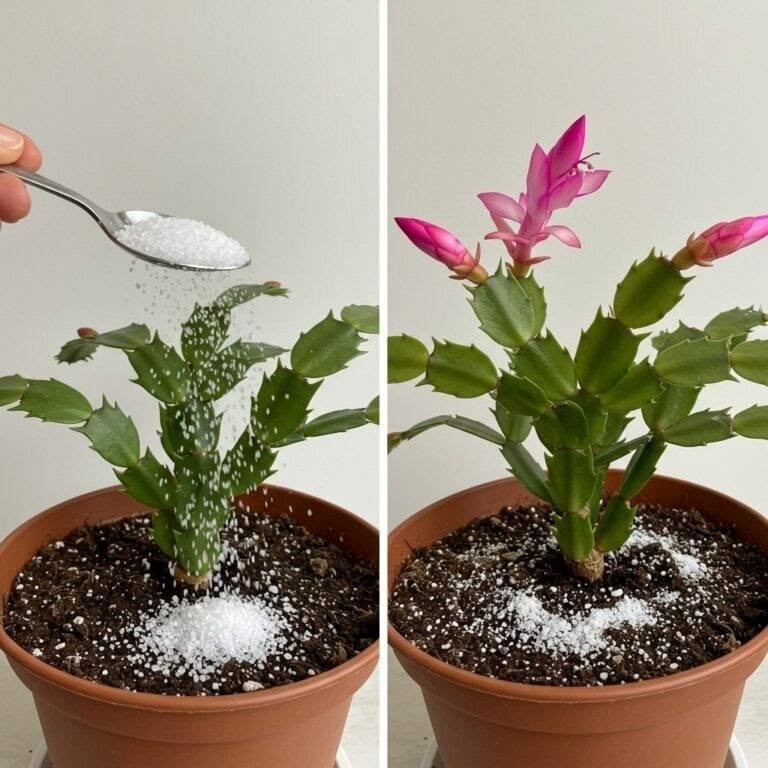
When viral gardening posts and clickbait video titles promise a “Fall Awakening: Breathing Life into House Flowers with a Little Secret,” they capitalize on the frustration of watching indoor flowering plants drop their buds or slow down as the weather changes. By wrapping natural plant biology in mysterious, sensationalized framing, these articles treat complex botanical rhythms like a puzzle solved by a secret kitchen tonic.
What Clickbait “House Flower” Secrets Get Wrong
-
The “Instant Bloom Serum” Fallacy: Clickbait content often claims that pouring specialized teas, spices, or unmeasured organic mixtures into the soil will instantly shock dormant plants into heavy, continuous flowering, ignoring plant energy reserves and nutrient balance.
-
Fighting Nature Instead of Working With It: Sensationalized advice often tries to force tropical or summer-blooming houseplants to behave as though it is mid-summer year-round, disregarding the natural seasonal triggers that govern plant physiology.
The Horticultural Reality: How Indoor Flowers Respond to Autumn
To understand how indoor flowering plants navigate the transition into autumn, horticulturists look at two primary environmental triggers: photoperiodism and temperature differentials.
-
Photoperiodism (Day Length Cues): Many indoor flowering plants—such as Christmas cacti, chrysanthemums, and poinsettias—are photoperiodic. They do not initiate blooms because of a secret nutrient; rather, they rely on the ratio of uninterrupted darkness to light. As autumn days shorten and nights lengthen, specific hormonal changes inside the plant trigger flower bud development.
-
Temperature Drops and Metabolic Slowdown: As indoor heating kicks on and outdoor temperatures drop, the ambient environment changes. While some plants enter a semi-dormant rest phase, others use the cooler nighttime indoor temperatures as a signal to transition from vegetative growth (making leaves) to reproductive growth (making flowers).
Evidence-Based Care for Indoor Flowering Plants
Instead of relying on viral hacks or unverified tonics, supporting indoor flowers through the autumn and winter transition requires managing their core environmental needs:
-
Maximize Available Light: Place flowering houseplants immediately adjacent to south- or east-facing windows. Even a slight shift away from the glass can drastically reduce the lumens reaching the leaves during shorter autumn days, starving the plant of the energy required to support blooms.
-
Regulate Watering Carefully: Because cooler indoor temperatures and reduced light slow down evaporation, soil stays wet significantly longer. Overwatering during this transition is the leading cause of root rot and bud drop in indoor flowering species. Always test the soil moisture several inches down before watering.
-
Avoid Sudden Environmental Stress: Keep flowering plants away from drafty doorways, cold window panes, or blowing heat vents. Abrupt temperature fluctuations cause the plant to shock, leading it to drop healthy buds before they ever open.
-
Hold Off on Aggressive Fertilizing: Pushing high-nitrogen liquid fertilizers onto indoor plants during their natural slowdown can burn delicate roots and encourage weak, leggy growth rather than blooms.
