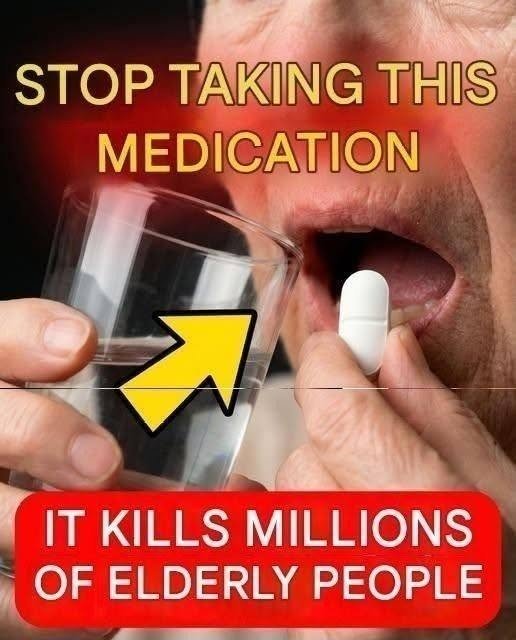
Viral social media headlines and alarmist medical videos frequently warn that common prescriptions “cause” heart attacks or strokes in older adults.
In clinical cardiology, however, no physician warns against taking these essential drugs outright. Instead, the concern centers on unmonitored long-term use, drug-drug interactions, or improper dosing in patients over 65, where altered organ clearance (kidney and liver function) and pre-existing vascular disease change how the body processes pharmaceuticals.
Here is an objective, science-based breakdown of the 5 drug classes most frequently highlighted by cardiologists and geriatricians, the real cardiovascular mechanisms behind them, and how to use them safely:
1. Nonsteroidal Anti-Inflammatory Drugs (NSAIDs)
-
Examples: Ibuprofen (Advil, Motrin), Naproxen (Aleve), Celecoxib (Celebrex), and prescription-strength meloxicam.
-
The Mechanism: NSAIDs inhibit COX-2 enzymes, altering the balance between prostacyclin (which dilates blood vessels) and thromboxane (which promotes blood clotting). This can cause fluid retention, elevate systemic blood pressure, increase blood clot formation, and strain weak heart muscle.
-
The Risk: Long-term daily use of high-dose NSAIDs significantly increases the relative risk of major adverse cardiovascular events (MACE), including myocardial infarction (heart attack), stroke, and worsening heart failure.
-
Clinical Guidance: Older adults with underlying hypertension or heart disease should use NSAIDs at the lowest effective dose for the shortest possible duration, prioritizing safer alternatives like topical gels (e.g., diclofenac gel) under medical supervision.
2. Sulfonylureas (Older Diabetes Medications)
-
Examples: Glyburide, Glipizide, Glimepiride.
-
The Mechanism: Sulfonylureas force the pancreas to secrete extra insulin regardless of blood sugar levels. In older adults with declining kidney function, these drugs can accumulate, causing severe, prolonged hypoglycemia (abnormally low blood sugar).
-
The Risk: Severe hypoglycemic episodes trigger a massive surge of stress hormones (epinephrine and cortisol). This rapid spike accelerates heart rate, causes severe vascular constriction, and can provoke fatal cardiac arrhythmias, heart attacks, or ischemic strokes.
-
Clinical Guidance: Modern diabetes guidelines (such as ADA and AGS Beers Criteria) recommend replacing older sulfonylureas—especially glyburide—with safer glucose-lowering options (like SGLT2 inhibitors or GLP-1 receptor agonists) that carry proven cardiovascular benefits.
3. Proton Pump Inhibitors (PPIs) & Specific Drug Interactions
-
Examples: Omeprazole (Prilosec), Esomeprazole (Nexium).
-
The Mechanism: While PPIs themselves do not directly block coronary arteries, they alter gut absorption and metabolic pathways in the liver (specifically the CYP2C19 enzyme).
-
The Risk: When over-the-counter PPIs like omeprazole are taken alongside the critical blood-thinner clopidogrel (Plavix)—commonly prescribed after stent placement or stroke—the PPI inhibits the liver enzyme needed to convert clopidogrel into its active form. This leaves the patient vulnerable to dangerous stent thrombosis (clots inside cardiac stents) or recurrent strokes.
-
Clinical Guidance: Patients taking antiplatelet therapy after a heart attack or stent placement should consult their cardiologist before taking stomach acid drugs; alternatives like pantoprazole or H2 blockers (famotidine) do not interfere with clopidogrel in the same way.
4. Over-the-Counter Decongestants (Sympathomimetics)
-
Examples: Pseudoephedrine (Sudafed), Phenylephrine (found in many multi-symptom cold/flu syrups).
-
The Mechanism: These medications stimulate alpha-adrenergic receptors, causing blood vessels throughout the body—including nasal passages—to constrict tightly.
-
The Risk: Systematic vasoconstriction causes a rapid, acute spike in blood pressure and heart rate. In older patients with undetected arterial plaque, fragile blood vessels, or cardiac hypertrophy, this sudden pressure surge can rupture vulnerable plaque (triggering a heart attack) or cause a hemorrhagic stroke.
-
Clinical Guidance: Older adults with high blood pressure, arrhythmia, or heart disease should avoid oral decongestants and opt for saline nasal sprays or antihistamines approved by a doctor.
5. Third-Generation Antipsychotics & Central System Sedatives
-
Examples: Quetiapine (Seroquel), Olanzapine (Zyprexa), Risperidone.
-
The Mechanism: Often prescribed off-label for sleep disturbances or severe agitation in dementia, these central nervous system drugs block dopamine and serotonin receptors while disrupting autonomic cardiac control.
-
The Risk: These drugs can prolong the QT interval on an electrocardiogram (ECG), leading to dangerous ventricular arrhythmias. The FDA carries a “black box warning” highlighting a heightened risk of stroke and sudden cardiovascular death when these medications are used in elderly dementia patients.
-
Clinical Guidance: Behavioral management strategies and non-pharmacological interventions should always be explored first under the strict care of a geriatric psychiatrist or cardiologist.
Key Takeaway for Patients
Never stop taking a prescription medication abruptly based on a social media video or sensationalized headline. Suddenly discontinuing medications can trigger rebound hypertension, blood clots, or dangerous withdrawal spikes.
If you or an older family member take any of these drug classes, review your full medication list with a pharmacist or physician at your next check-up to ensure optimal dosing and safety monitoring.
