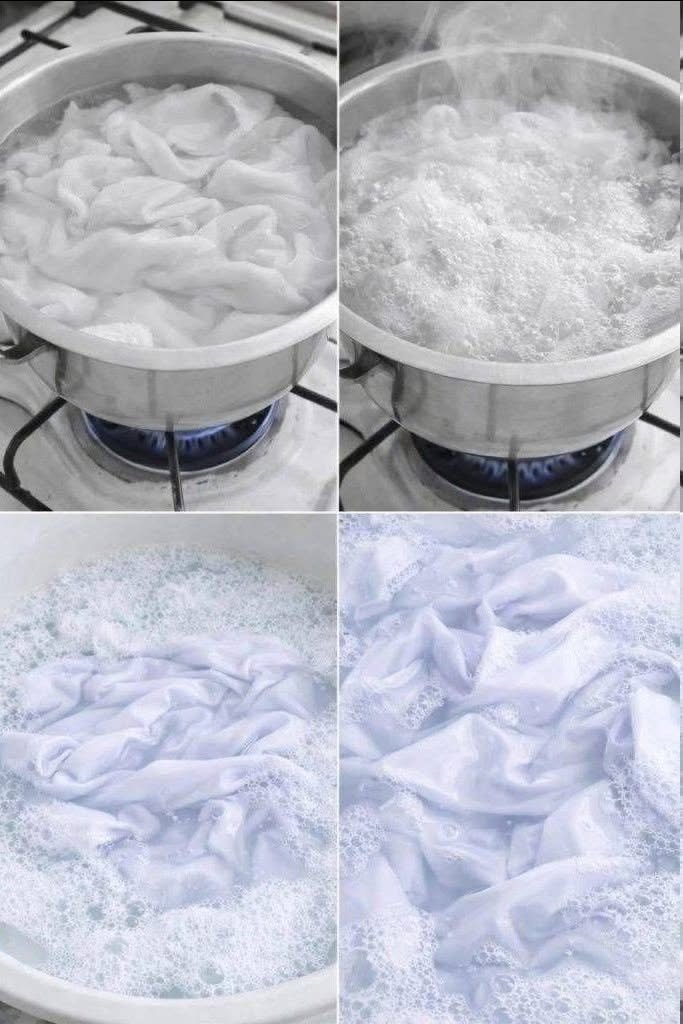
Achieving bright, sparkling whites without reaching for harsh chlorine bleach is entirely possible using eco-friendly, biodegradable household staples. Chlorine bleach can weaken textile fibers, yellow certain fabrics over time, and release irritating fumes, whereas natural whitening agents gently lift stains and brighten dingy laundry through safe oxidation and acid action.
Here are the best natural and ecological alternatives for bleaching clothes:
1. Hydrogen Peroxide (The Eco-Friendly Chlorine Alternative)
Hydrogen peroxide ($H_2O_2$) is one of the most effective non-chlorine whiteners available. When it breaks down, it simply turns into water and oxygen, making it completely eco-friendly.
-
How it works: It acts as a mild oxidizing agent that breaks the chemical bonds of colored organic stains, lifting them away without destroying cotton or linen fibers.
-
How to use it: Add 1 cup of 3% hydrogen peroxide directly to your washing machine’s bleach dispenser or mix it into the wash water along with your regular laundry detergent. It is also exceptional for pre-treating underarm yellowing or sweat stains by mixing equal parts hydrogen peroxide, baking soda, and water, rubbing it into the stain, and letting it sit for 30 minutes before washing.
2. Lemon Juice (Natural Acidic Brightening)
Fresh lemon juice contains citric acid and natural bleaching compounds that react wonderfully with sunlight.
-
How it works: The citric acid breaks down mineral buildup and organic discoloration, while natural photo-oxidation agents use UV light to amplify the brightening effect.
-
How to use it: Squeeze the juice of 1 to 2 fresh lemons into a large pot of hot water, add your white garments, and let them soak for an hour (or overnight for stubborn dinginess). Alternatively, wash as normal and hang your whites directly under the sun; the combination of lemon juice and UV sunlight creates a powerful, natural whitening duo.
3. Baking Soda (Deodorizer and Gentle Softener)
While baking soda isn’t a strong oxidizer on its own, it plays a vital supporting role in natural laundry bleaching.
-
How it works: Baking soda acts as a mild alkali and buffer, balancing the pH of your wash water, softening hard water minerals that cause clothes to look grey or yellow, and boosting the effectiveness of your detergent and peroxide.
-
How to use it: Add ½ cup of baking soda directly to the drum of your washing machine along with your regular laundry detergent.
4. Distilled White Vinegar (Mineral Stripper)
Hard water leaves microscopic mineral deposits (like calcium and magnesium) trapped in fabric weaves, which causes white clothes to take on a dull, grey, or yellowish tint over time.
-
How it works: The acetic acid in white vinegar dissolves these mineral residues and washes away alkaline detergent buildup, restoring the clean, reflective surface of the fabric fibers.
-
How to use it: Pour ½ cup to 1 cup of white vinegar into the fabric softener dispenser during the final rinse cycle.
The Ultimate Natural Whitening Soak
For heavily soiled or dingy white linens, cotton shirts, or bedsheets, use this powerful multi-step natural stripping soak:
-
Fill a large basin or your washing machine with hot water.
-
Dissolve ½ cup of washing soda (or baking soda) and ½ cup of hydrogen peroxide into the water.
-
Submerge your white garments and let them soak for at least 2 to 4 hours (or overnight).
-
Drain the soak water, then run the items through a normal wash cycle using your regular detergent and ½ cup of white vinegar in the rinse cycle.
