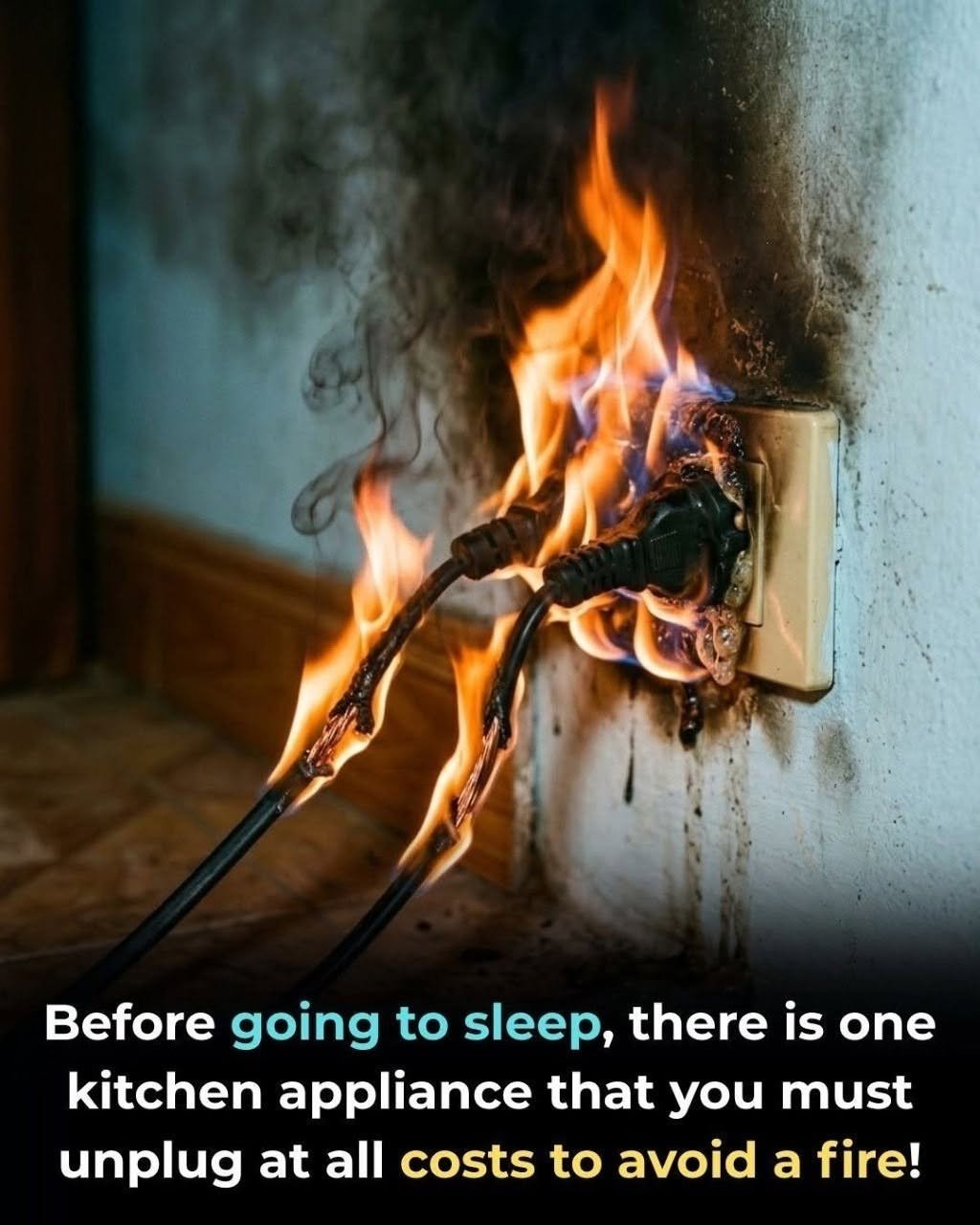
Fire safety officials frequently emphasize unplugging the air fryer—along with other high-wattage countertop appliances with heating elements like toasters and coffee makers—before going to bed or leaving the house.
Why High-Wattage Countertop Appliances Pose a Risk
-
Phantom Draws and Standby Faults: Many modern kitchen appliances feature digital touchscreens, soft-touch buttons, or internal control boards that remain energized as long as they are plugged into the wall. If a power surge occurs, or if a component within the control board malfunctions or short-circuits overnight, it can initiate an electrical fire even while the appliance is turned off.
-
Structural Design: Devices like air fryers pack powerful heating elements and internal fans inside compact plastic casings. If a relay switch fails or a stray grease droplet from dinner comes into contact with a compromised electrical component, the localized heat concentration can escalate rapidly.
Best Practices for Kitchen Fire Safety
-
Unplug After Use: Make it a habit to unplug small heat-generating appliances (air fryers, toaster ovens, blenders, and coffee makers) once you are finished using them for the day.
-
Keep Clear of Clutter: Never store items on top of or directly packed tightly against appliances that generate heat.
-
Reserve Heavy Duty Appliances: Leave permanently installed large appliances (like refrigerators and dishwashers) plugged in, but ensure they are plugged directly into wall outlets rather than overloaded power strips or extension cords.
