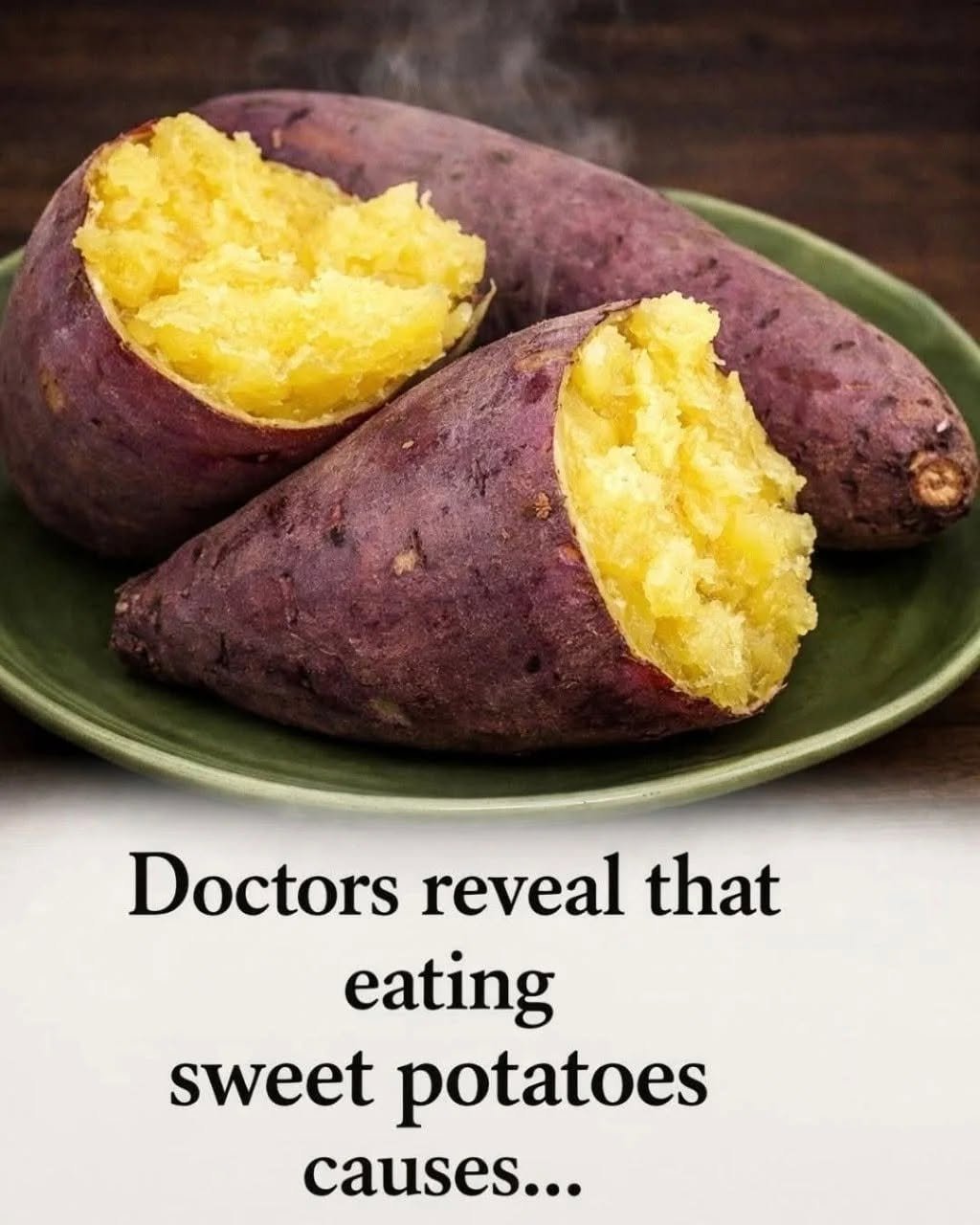
When wellness blogs and clickbait ads flash alarmist headlines like “Doctors reveal that eating sweet potatoes causes…” (frequently trailing off to suggest terrifying outcomes like kidney stones, toxic overload, or rapid weight gain), they rely on a familiar engagement formula: taking a nutrient-dense, globally celebrated root vegetable and turning its minor, manageable biochemical properties into a sensational health panic.
What Clickbait “Sweet Potato” Warnings Get Wrong
-
The “Toxic Hazard” Fallacy: Clickbait articles love to paint wholesome, fiber-rich foods as hidden biological landmines by exaggerating the presence of normal plant compounds.
-
Universalizing Specific Medical Precautions: Sensationalized pieces take dietary restrictions meant for narrow, pre-existing conditions (such as specific types of kidney stones) and frame them as universal dangers that apply to everyone.
The Physiological Reality: What Sweet Potatoes Actually Do
Nutritional scientists and clinicians evaluate sweet potatoes based on their actual biochemical composition, separating internet myth from physiological fact:
-
Oxalates and Kidney Stones:Sweet potatoes contain compounds called oxalates, which can bind to minerals in the digestive and urinary tracts. For individuals with a history of specific calcium-oxalate kidney stones, doctors do advise monitoring or moderating high-oxalate foods. However, for the vast majority of the population with healthy kidney function, dietary oxalates in sweet potatoes processed alongside adequate hydration pose no inherent risk.
-
Beta-Carotene and Skin Tinting (Carotenemia):Sweet potatoes are exceptionally rich in beta-carotene, which the body converts into vitamin A. If someone eats massive, unvaried quantities of orange vegetables over many weeks, they might develop a harmless, temporary yellowish-orange tint on the palms of their hands or soles of their feet—a benign, reversible condition called carotenemia. It is not liver toxicity, nor is it dangerous vitamin A poisoning (since the body naturally regulates conversion from food sources); it simply reflects high dietary pigment intake.
Evidence-Based Benefits of Sweet Potatoes
Far from being a health hazard, sweet potatoes remain a powerhouse of balanced nutrition when integrated into a varied diet:
-
Rich in Complex Carbohydrates and Fiber: They provide slow-digesting starches and both soluble and insoluble fiber, which support stable energy levels and digestive health.
-
Vitamins and Minerals: They offer high amounts of potassium (which supports vascular health and blood pressure regulation) and vitamin C, alongside generous quantities of antioxidant compounds.
