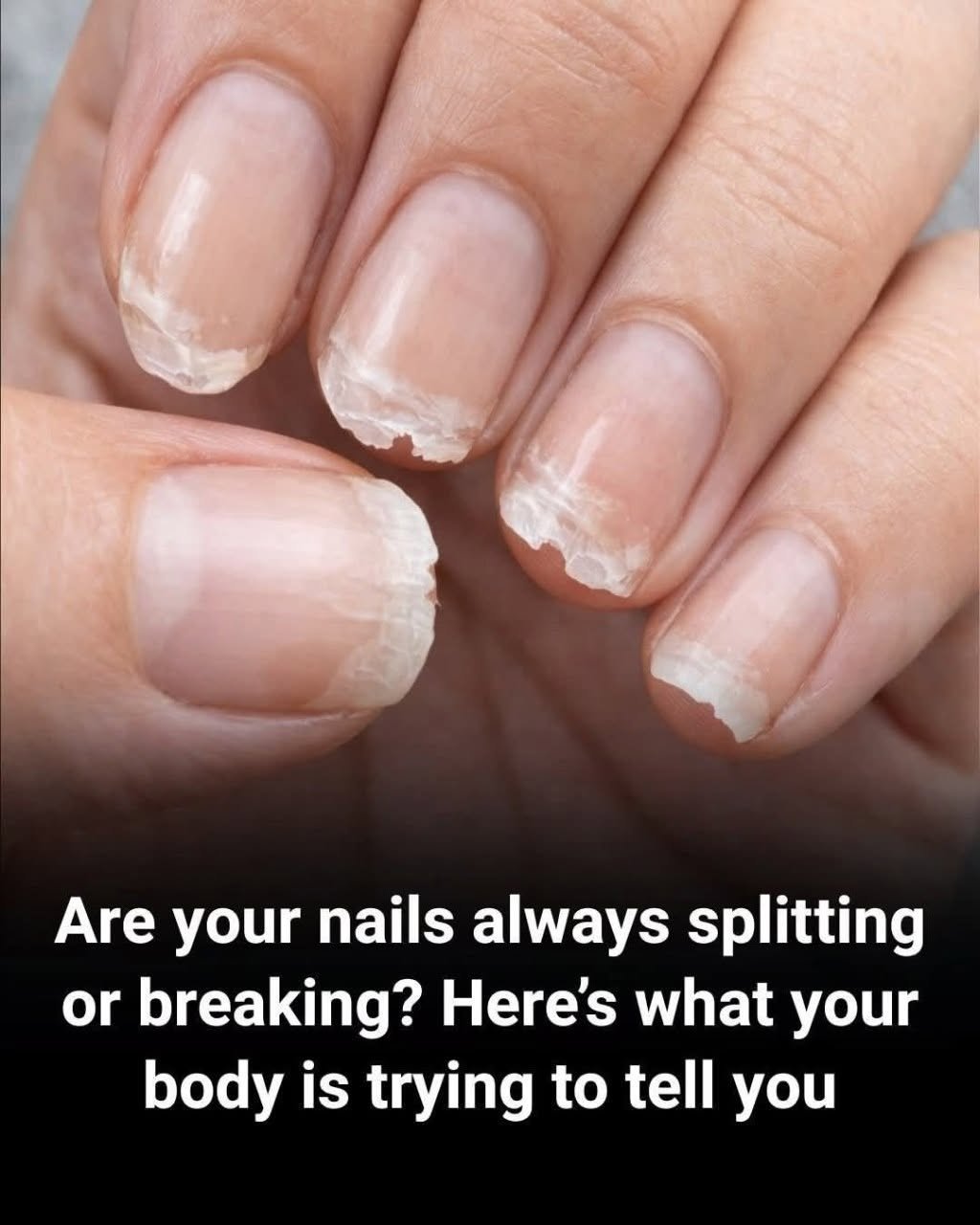
Your fingernails and toenails are often referred to as a “window to your internal health.” Because nail cells grow quickly, changes in their texture, strength, color, or shape can serve as early physical clues about what is happening beneath the surface of your body.
While weak, peeling, or brittle nails are frequently caused by external factors like frequent hand-washing or exposure to harsh cleaning chemicals, they can also signal underlying nutritional deficiencies or systemic health shifts.
Here is what your nails might be trying to tell you:
1. Nutritional Deficiencies (The Building Blocks of Keratin)
Nails are made primarily of keratin, a tough fibrous protein. When your body lacks the essential building blocks needed to synthesize keratin, nail integrity suffers.
-
Iron Deficiency (Anemia): Low iron reduces oxygen delivery to your tissues, including your nail beds. This can leave nails thin, brittle, or take on a concave, “spoon-shaped” appearance (koilonychia) where the edges raise up.
-
Biotin (Vitamin B7) Shortage: Biotin plays a vital role in metabolizing amino acids that build protein. A shortage can lead to fragile, splitting nails that crack easily under minimal pressure.
-
Zinc Shortage: Zinc is essential for cell division and protein synthesis. Low zinc levels can slow nail growth and sometimes cause white spots, pitting, or generalized weakness.
-
Inadequate Protein Intake: Since nails are protein-dense structures, a diet chronically low in high-quality protein can directly compromise nail strength and thickness.
2. Thyroid Imbalances (Hypothyroidism)
-
What it indicates: Your thyroid gland regulates your body’s metabolic rate, which controls how fast your cells—including hair and nail cells—renew. An underactive thyroid (hypothyroidism) slows down this cellular turnover.
-
How it shows up on nails: Nails often become dry, brittle, thick, and prone to splitting or cracking, accompanied by slow growth rates.
3. Chronic Dehydration and Moisture Depletion
-
What it indicates: Just like skin and hair, nails need moisture to maintain flexibility. When nails lack moisture, they become brittle, hard, and prone to shattering like dry wood rather than bending.
-
Common triggers: Frequent exposure to water without hand cream, harsh dish soaps, acetone nail polish removers, and dry winter weather can strip the natural lipids protecting the nail plate.
4. Underlying Circulatory Issues
-
What it indicates: Poor peripheral circulation restricts the flow of blood, oxygen, and vital nutrients to your fingertips and toes.
-
How it shows up: Cold hands combined with weak, slow-growing, or pale nail beds can sometimes point to restricted microvascular blood flow or systemic cardiovascular sluggishness.
Simple Steps to Strengthen Your Nails From Within and Out
-
Prioritize Nutrient-Dense Foods: Incorporate iron-rich foods (lean meats, spinach, lentils), healthy fats (avocados, nuts), and protein sources into your daily meals.
-
Moisturize Frequently: Apply a rich hand cream or dedicated cuticle oil containing vitamin E, jojoba oil, or shea butter, especially right after washing your hands while the skin is still slightly damp.
-
Protect Your Hands: Wear rubber or nitrile gloves when washing dishes, cleaning with chemical degreasers, or gardening to protect your nails from moisture stripping and harsh irritants.
-
Avoid Overusing Harsh Products: Give your nails a break from frequent gel manicures, acrylics, and acetone-based removers, which can strip away the outer layers of the nail plate.
When to Consult a Professional
While most brittle nails respond well to better hydration, nutritional tweaks, and gentle care, persistent nail changes accompanied by severe fatigue, hair loss, unexplained weight changes, or noticeable discoloration (such as dark streaks under the nail) should be evaluated by a dermatologist or your primary care physician.
