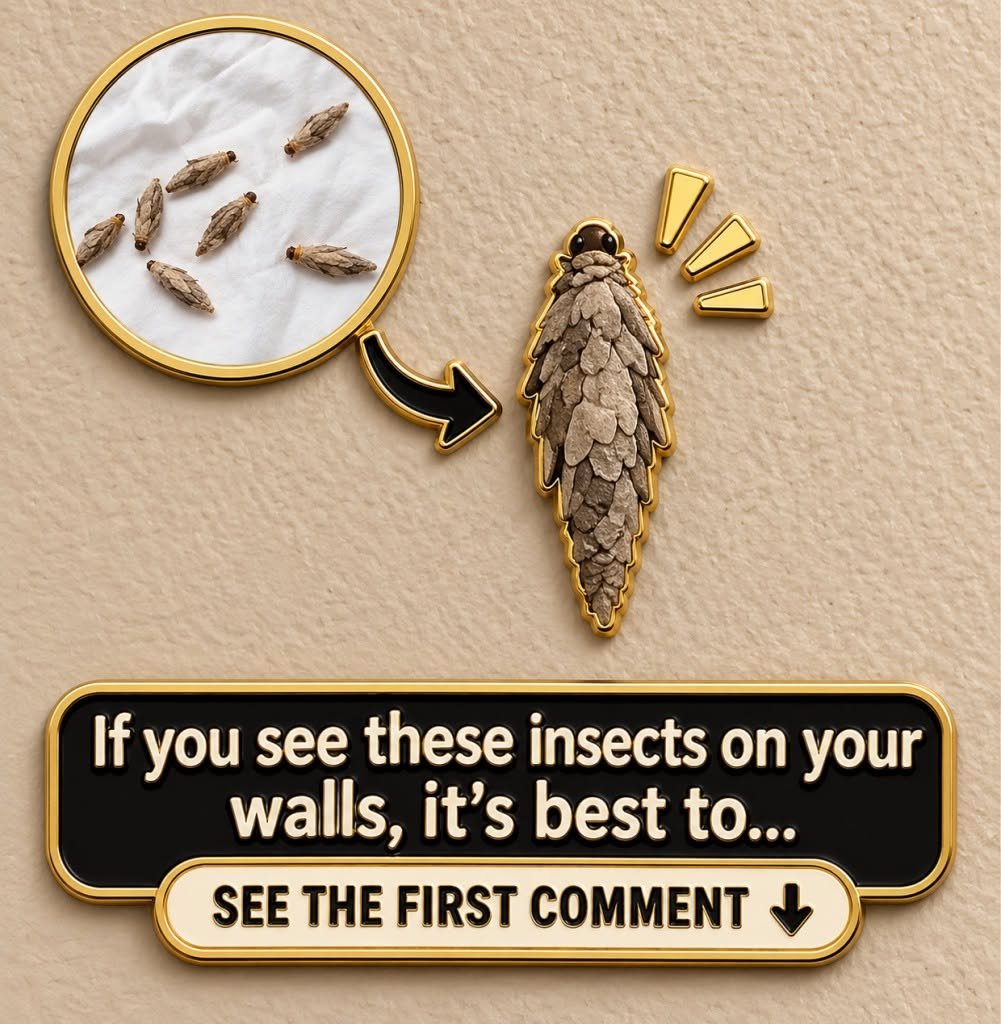
When home and pest-control clickbait flashes headlines like “If you have these insects on the walls of your house, it is best to…,” they love to rely on a panic-inducing mystery. They want you to believe that spotting an unfamiliar crawler on your drywall means your home is on the verge of structural collapse or a severe biological hazard.
From an entomology, urban pest management, and building science perspective, the insects you find crawling on indoor walls—whether silverfish, booklice, cluster flies, or harmless spiders—are almost always indicator species. They don’t magically appear out of thin air; they are signaling a specific environmental condition in your home, usually excess moisture or micro-climates.
The Reality Behind Insects on Indoor Walls
Why do certain pests gravitate toward walls, and what are they actually looking for?
-
The Moisture Connection: Many wall-dwelling or baseboard-hugging insects (such as silverfish, springtails, or booklice) require high humidity to survive. Their presence is a reliable biological alarm bell indicating localized dampness, condensation behind drywall, a slow plumbing leak, or high indoor relative humidity.
-
Surface Texture and Shelter: Walls offer vertical pathways for nocturnal insects that shelter in dark crevices during the day. They follow tiny gaps around baseboards, window casings, and electrical outlets where conditioned indoor air meets exterior framing.
-
The Illusions of “Miracle Sprays”: Spraying generic contact insecticides directly onto your walls offers only a temporary cosmetic fix. If you don’t eliminate the underlying moisture source or seal entry points, new insects will simply take the place of the old ones.
Common Wall-Dwelling Insects and What They Tell You
Instead of panicking over a mysterious bug, clinical pest management looks at specific identifiers:
-
1. Silverfish or Firebrats
-
What they look like: Silver-gray, teardrop-shaped insects that move with a wriggling, fish-like motion.
-
What they indicate: High humidity (above 70%), dark damp areas (bathrooms, basements), and access to starchy materials like wallpaper glue, book bindings, or cardboard.
-
-
2. Booklice (Psocids)
-
What they look like: Tiny, pale, wingless insects that cluster around damp walls, window sills, or newly plastered drywall.
-
What they indicate: Mold and mildew spores. Booklice feed exclusively on microscopic molds that grow when building materials retain residual moisture.
-
-
3. Boxelder Bugs or Cluster Flies
-
What they look like: Slower-moving dark insects that congregate on sun-warmed exterior or interior walls during seasonal transitions.
-
What they indicate: Overwintering behavior. They are seeking thermal shelter from the cold and accidentally wandered indoors through tiny gaps in siding or window frames.
-
Evidence-Based, Long-Term Prevention Strategies
If you want to keep walls free of crawling insects permanently, focus on environmental control rather than chemical warfare:
-
1. Control Indoor Humidity: Keep relative humidity inside your home below 50% using air conditioning, bathroom exhaust fans, and dehumidifiers in damp basements or crawlspaces. Starve moisture-dependent pests of the water they need.
-
2. Fix Leaks and Condensation: Inspect plumbing under sinks, check around window seals, and ensure your roof or gutters aren’t allowing water to seep into wall cavities.
-
3. Seal Perimeter Gaps: Use silicone caulk around baseboards, window frames, and utility penetrations to cut off the travel routes insects use to migrate from wall voids into your living spaces.
