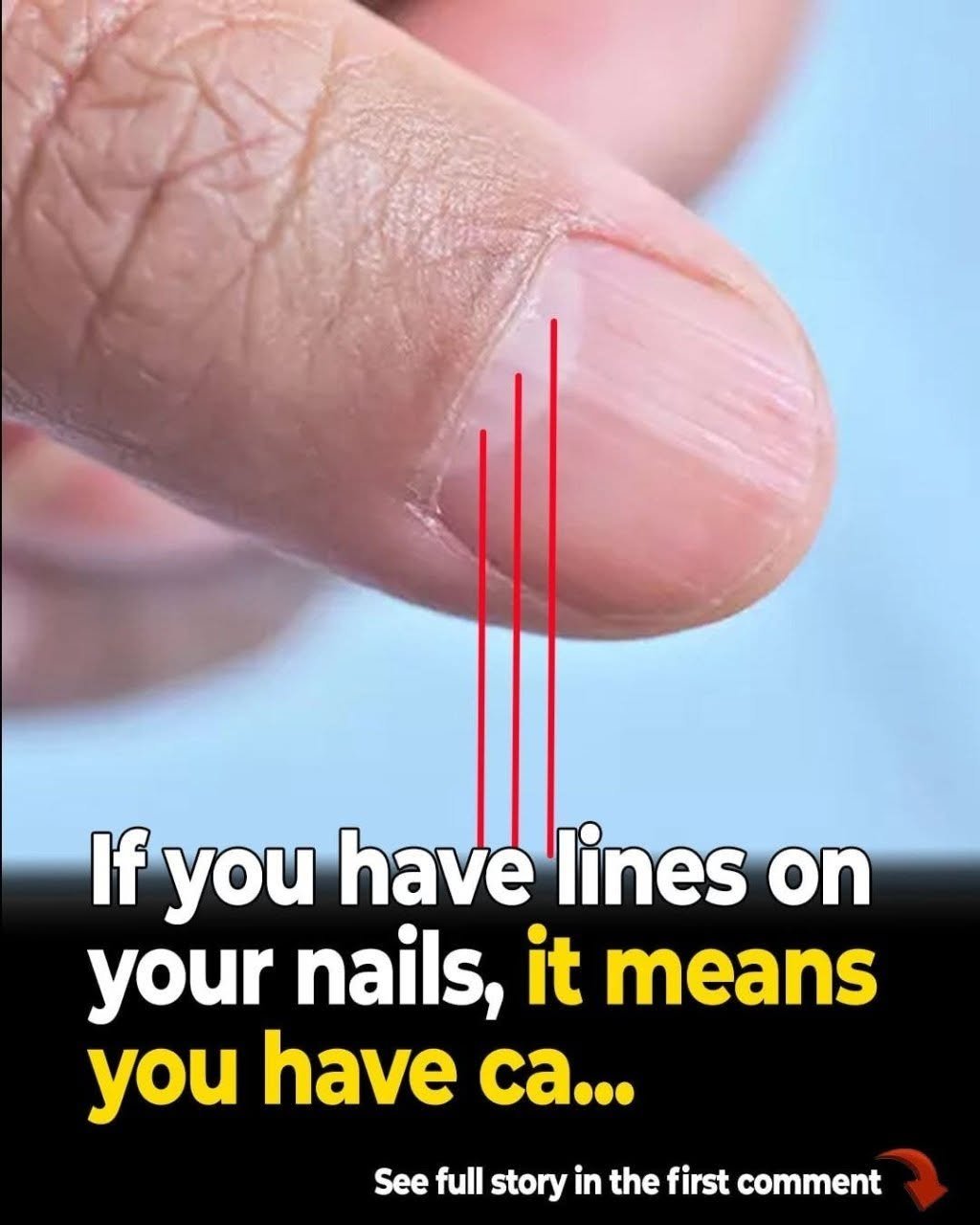
When medical professionals look at your fingernails, they aren’t just checking for cosmetic health or minor nutrient shortages—they are examining a unique microvascular and structural window into your systemic health. Because nail beds are densely packed with tiny blood vessels (capillaries) and grow continuously from living tissue beneath the skin, profound internal shifts in circulation, oxygenation, and organ function often leave physical signatures on the nails that researchers study in relation to long-term health and longevity.
While no single nail sign can definitively predict your exact life span, several distinct indicators have caught the attention of clinicians studying systemic disease and life expectancy:
1. Clubbing (A Crucial Indicator of Chronic Hypoxia)
-
What it looks like: The tips of the fingers widen and bulge outward, and the nails curve downward so they resemble the rounded back of a spoon. The angle between the cuticle and the nail plate disappears, and the nail bed may feel spongy or float when pressed.
-
Why it matters: Nail clubbing is caused by chronic tissue hypoxia—a long-standing shortage of oxygen in the bloodstream. It is frequently associated with serious underlying systemic conditions, including advanced chronic obstructive pulmonary disease (COPD), idiopathic pulmonary fibrosis, congenital heart defects, chronic infections like endocarditis, or certain types of thoracic malignancies. Because it signals chronic cardiopulmonary distress, significant clubbing is treated by physicians as an urgent red flag requiring thorough medical investigation.
2. Splinter Hemorrhages (Micro-Vascular Clues)
-
What it looks like: Tiny, reddish-brown, vertical lines running underneath the nail plate that look suspiciously like tiny wood splinters.
-
Why it matters: These are actually minuscule blood clots that have damaged small capillaries beneath the nail. While they can sometimes result from minor physical trauma to the finger, recurrent or unexplained splinter hemorrhages across multiple nails can be a classic physical sign of infective endocarditis—a dangerous infection of the heart valves—or systemic vasculitis. Left untreated, conditions like endocarditis pose severe, life-threatening risks.
3. Severe Spoon Nails (Koilonychia and Systemic Stress)
-
What it looks like: Nails that are exceptionally thin, brittle, and concave (scooped inward so much that they can theoretically hold a drop of water).
-
Why it matters: While mild brittleness is common, severe koilonychia is often linked to chronic, profound iron-deficiency anemia, hemochromatosis (iron overload), or long-standing cardiovascular and thyroid disorders. When tissues are starved of iron and oxygen over years, organ systems operate under chronic metabolic strain, which impacts overall vitality and health span.
4. Terry’s Nails or Half-and-Half Nails (Internal Organ Strain)
-
What it looks like: In Terry’s nails, most of the nail appears white except for a narrow, dark pink or reddish-brown band at the tip. In half-and-half nails (Lindsay’s nails), the lower half is white and the upper half is pink or reddish-brown.
-
Why it matters: These distinctive color shifts are frequently observed in patients dealing with severe systemic disease, particularly cirrhosis of the liver, chronic kidney failure, or congestive heart failure. They reflect alterations in peripheral blood vessel density and hypoalbuminemia (low blood protein), signaling that major filtering and circulatory organs are struggling.
The Medical Perspective on Longevity Markers
Your fingernails act as a slow-motion recording device for your body’s metabolic stability. Because nail growth takes months, chronic internal inflammation, poor circulation, or failing organ function alter the keratin production and micro-blood supply over time.
If you notice persistent, dramatic changes in your nail shape, color, or texture—such as clubbing, unexplained dark lines, or structural concavity—it shouldn’t be viewed as a mystical prophecy of life expectancy, but rather as an actionable biological warning sign. Consulting a physician or dermatologist for comprehensive blood work and a physical exam can uncover and treat the root cause long before it impacts your long-term health.
