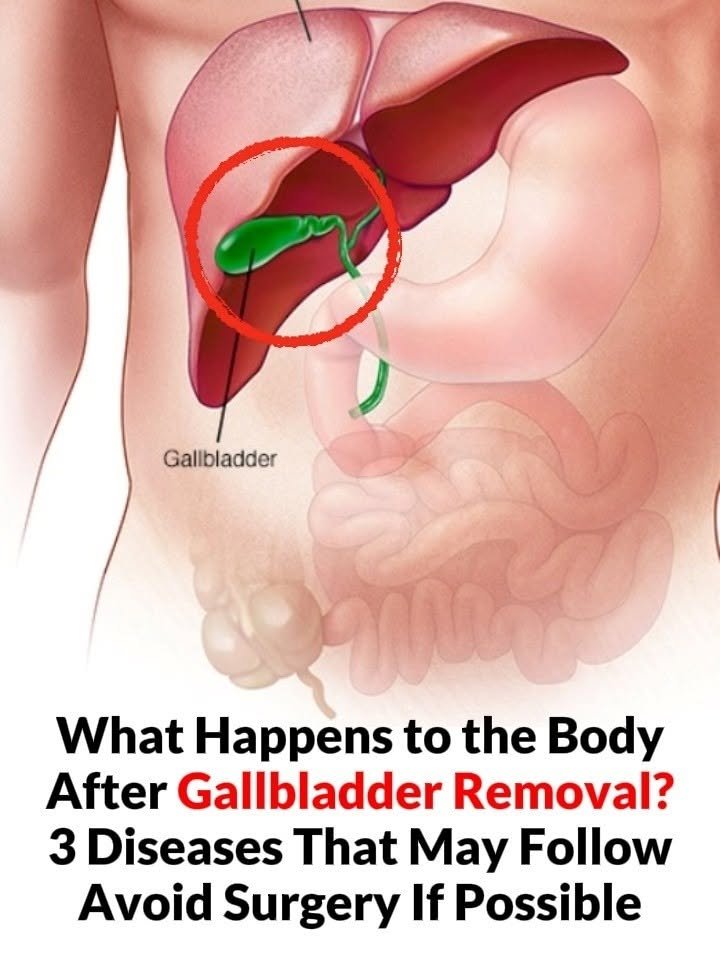
The gallbladder plays a specific role in human digestion: it stores, concentrates, and releases bile (a fluid produced by the liver) into the small intestine whenever you eat fat.
When the gallbladder is surgically removed (cholecystectomy), your liver does not stop making bile. Instead, it continuously drips bile into your small intestine, whether there is food to digest or not.
While millions of people live normally after cholecystectomy, removing an organ alters metabolic and digestive dynamics. Here is what happens to the body after surgery, three conditions that can develop, and evidence-based ways to support your gallbladder to help avoid unnecessary surgery when safely possible.
What Happens to the Body After Gallbladder Removal?
-
Continuous Bile Draining: Without a reservoir to store and release concentrated bile on demand, the intestine receives a steady trickle of dilute bile.
-
Impaired Fat Digestion: Large or fatty meals may pass through the small intestine largely undigested, leading to fat malabsorption, gas, and cramping.
-
Disrupted Gut Microbiome: Bile acts as a natural antimicrobial. Continuous bile flow into the colon alters intestinal pH and can disrupt healthy gut bacteria.
-
Altered Hormone Signaling: The gallbladder releases signaling hormones (like cholecystokinin, or CCK) that regulate digestion, stomach emptying, and metabolic balance.
3 Conditions That May Follow Gallbladder Removal
1. Bile Acid Diarrhea (BAD) & Post-Cholecystectomy Syndrome (PCS)
-
What It Is: Between 10% and 40% of post-surgery patients experience persistent digestive distress known as Post-Cholecystectomy Syndrome (PCS). A major component is Bile Acid Diarrhea.
-
Why It Happens: Unused bile flows directly into the large intestine (colon). Bile acids pull excess water and electrolytes into the bowel, causing sudden urgency, chronic watery diarrhea, and cramping.
2. Bile Reflux Gastritis
-
What It Is: Inflammation of the stomach lining caused by digestive fluid backing up.
-
Why It Happens: Normally, bile flows downward from the gallbladder into the small intestine. Without the regulating pressure of the gallbladder, bile can back up through the pyloric valve into the stomach (and sometimes up into the esophagus). This causes a burning ache in the upper abdomen, chronic nausea, and vomiting of greenish-yellow bile that standard acid-reflux medications (PPIs) fail to fix.
3. Metabolic Shifts & Increased Risk of Non-Alcoholic Fatty Liver Disease (NAFLD)
-
What It Is: Accumulation of excess fat in the liver cells.
-
Why It Happens: Modern metabolic research indicates that bile acids are not just digestive detergents—they act as key metabolic hormones that regulate fat and glucose metabolism. Removing the gallbladder disrupts bile acid recirculation and pool size, which can increase triglyceride accumulation in the liver and alter systemic insulin sensitivity over time.
Critical Medical Warning: When Surgery IS Necessary
Before discussing conservative management, it is vital to note that gallbladder removal is often medically urgent and life-saving. You must NEVER delay or avoid surgery if you have:
-
Acute Cholecystitis: Severe, unremitting right-upper abdominal pain accompanied by fever and high white blood cell count.
-
Gallstone Pancreatitis: A blocked pancreatic duct that causes severe, agonizing abdominal and back pain.
-
Choledocholithiasis / Cholangitis: Infection or blockage of the main bile duct causing jaundice (yellowing of skin/eyes), dark urine, and pale stools.
-
Gallbladder Cancer or Porcelain Gallbladder.
In these emergency scenarios, surgery is essential to prevent organ perforation, sepsis, or death.
How to Support Gallbladder Health & Avoid Surgery (When Safe)
If you have mild, asymptomatic gallstones, biliary sludge, or occasional mild indigestion—and your physician confirms surgery is not urgently required—these steps can help restore gallbladder motility and prevent stone formation:
-
Keep Bile Flowing (Avoid Rapid Crash Diets):
-
Fasting or extremely low-fat diets cause bile to sit motionless in the gallbladder, concentrating cholesterol into hard stones.
-
Action: Consume healthy fats (like olive oil, avocados, and wild salmon) in moderate amounts throughout the day to trigger regular gallbladder contractions.
-
-
Increase Soluble Fiber Intake:
-
Soluble fiber binds to excess bile in the intestines, helping to excrete it naturally and forcing the liver to produce fresh, healthy bile acids.
-
Action: Eat oats, chia seeds, flaxseeds, legumes, and apples.
-
-
Incorporate Bitters and Phosphatidylcholine:
-
Digestive Bitters: Bitter herbs (like dandelion root, artichoke leaf, and milk thistle) stimulate natural liver bile production and flow.
-
Lecithin / Phosphatidylcholine: Keeps cholesterol dissolved in bile so it cannot crystallize into sludge or stones.
-
-
Address Estrogen & Weight Fluctuation:
-
Elevated estrogen (from pregnancy, HRT, or birth control) increases cholesterol concentration in bile, raising gallstone risk. Maintaining a stable, healthy weight prevents rapid cholesterol mobilization.
-
-
Work with a Gastroenterologist:
-
In some non-emergency cases, doctors can prescribe medications (like ursodiol / ursodeoxycholic acid) to slowly dissolve small cholesterol gallstones over several months.
-
