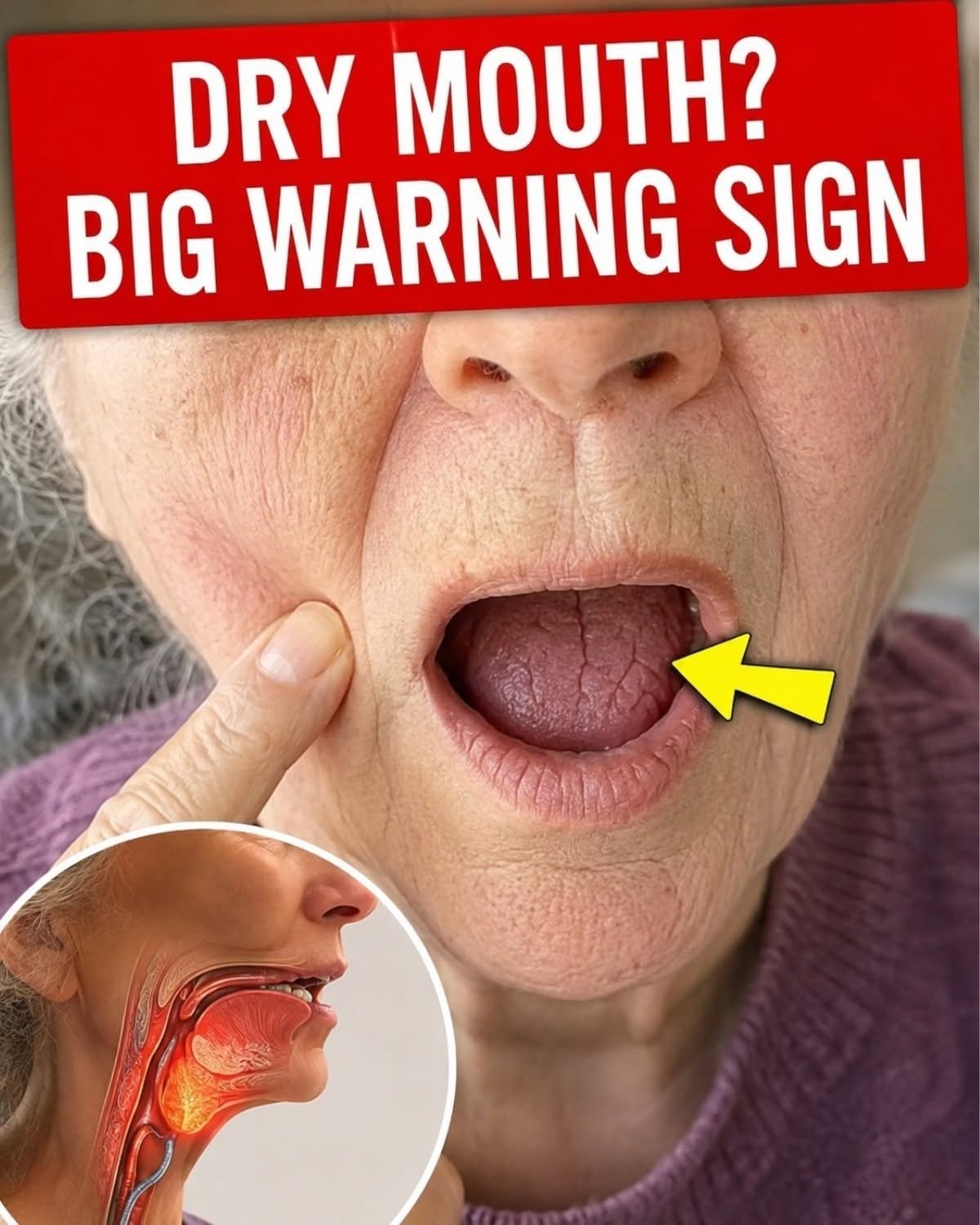
Chronic dry mouth—medically known as xerostomia—is often brushed off as a minor inconvenience or an inevitable consequence of getting older. However, persistent dry mouth is not a normal part of natural aging.
When your mouth feels like sandpaper or your saliva turns thick and sticky, it means your salivary glands are actively shutting down or failing to produce adequate fluid.
Saliva plays a critical role in oral and systemic health: it contains essential enzymes for digestion, lubricates the mouth for speech and swallowing, neutralizes harmful bacterial acids, and constantly washes away food particles to protect against tooth decay.
Here is what is actually happening when your salivary glands shut down, why it occurs, and how to address it:
Why Saliva Shuts Down: The Real Root Causes
While advancing age itself doesn’t cause salivary gland failure, older adults are far more likely to experience conditions or treatments that destroy gland function:
1. Polypharmacy (Medication Side Effects)
This is by far the #1 cause of dry mouth. Over 400 common medications list xerostomia as a primary side effect. These drugs interfere with the autonomic nervous system signals that tell your glands to secrete saliva.
-
Common Offending Medications:
-
Antihistamines and decongestants
-
High blood pressure medications (beta-blockers, diuretics, calcium channel blockers)
-
Antidepressants, anti-anxiety drugs, and sedatives
-
Muscle relaxants and pain medications
-
Bladder control medications
-
2. Autoimmune Conditions (Sjögren’s Syndrome)
Sjögren’s syndrome is an autoimmune disease where immune cells mistakenly attack and destroy moisture-producing exocrine glands—specifically the lacrimal (tear) and salivary glands. It causes severe, persistent dry mouth accompanied by dry eyes.
3. Metabolic & Endocrine Disorders
-
Uncontrolled Diabetes: Elevated blood sugar levels cause dehydration through increased urination and alter the biochemical composition of saliva, reducing flow rates.
-
Thyroid Dysfunctions: Imbalances in thyroid hormones can directly impair salivary secretion rates.
4. Chronic Mouth Breathing & Sleep Apnea
Nasal congestion, structural blockages (deviated septum), or obstructive sleep apnea force people to breathe through their mouths overnight. This constant airflow evaporates the thin layer of protective saliva, causing individuals to wake up with an intensely parched throat and tongue.
5. Dehydration & Electrolyte Imbalances
If total body hydration is inadequate, the body prioritizes fluid conservation for vital organs (heart, kidneys, brain), shutting down non-essential fluid secretions like saliva and tears.
6. Radiation Therapy & Nerve Damage
Radiation treatment for head and neck cancers can permanently damage the cellular architecture of salivary glands. Additionally, nerve damage to the head or neck from surgery or trauma can disrupt the neural pathways that stimulate salivary flow.
The Hidden Dangers of Ignoring Dry Mouth
Treating saliva loss as a cosmetic or mild issue can lead to serious oral and physical health consequences:
-
Rapid Tooth Decay & Cavities: Without saliva to wash away bacteria and neutralize plaque acids, teeth deteriorate rapidly—often developing root cavities and enamel breakdown.
-
Frequent Oral Infections: Loss of protective antimicrobial enzymes in saliva allows oral thrush (Candida fungal infections) and mouth sores to thrive.
-
Difficulty Swallowing & Speaking: Lack of lubrication makes chewing, forming a food bolus, swallowing (dysphagia), and speaking clearly difficult and painful.
-
Altered Taste Perception (Dysgeusia): Saliva dissolves chemical compounds in food so taste buds can register them; without it, food loses flavor or tastes metallic.
Effective Ways to Stimulate Saliva & Relieve Symptoms
-
Hydrate Continuously with Small Sips: Sip water frequently throughout the day rather than drinking large amounts at once. Keep a glass of water by your bedside.
-
Chew Xylitol-Based Gum or Mints: Xylitol stimulates salivary glands to produce natural saliva while suppressing decay-causing oral bacteria.
-
Use Over-the-Counter Saliva Substitutes: Oral rinses, sprays, and gels designed specifically for dry mouth (containing carboxymethylcellulose or hydroxyethylcellulose) coat and lubricate mouth tissues.
-
Avoid Saliva-Drying Agents: Limit alcohol, caffeine, tobacco, extremely salty foods, and alcohol-based mouthwashes, all of which worsen tissue desiccation.
-
Run a Cool-Mist Humidifier at Night: Moisture added to bedroom air reduces overnight evaporation caused by mouth breathing.
-
Consult Your Doctor for a Medication Review: If a prescription medication is causing your symptoms, your physician may adjust the dosage, switch you to an alternative medication, or prescribe a salivary stimulant (such as pilocarpine or cevimeline).
