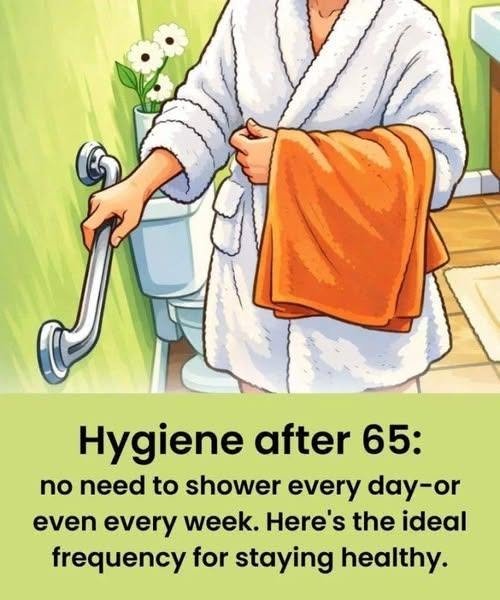
When wellness headlines warn that daily showers after age 65 may do more harm than good, they are highlighting a genuine dermatological reality regarding how aging skin changes over time. While daily bathing is a deeply ingrained cultural hygiene habit, mature skin requires a different approach to maintain its protective barrier.
Let’s look past the sensational phrasing and examine the actual skin physiology behind aging skin and optimal bathing habits.
Why Aging Skin Reacts Differently to Daily Washing
As we age, our skin undergoes several natural physiological shifts that alter its ability to retain moisture and protect itself:
1. Thinning of the Epidermis and Decreased Sebum Production
-
The Biological Shift: Sebaceous (oil) glands become less active as we age, and the outermost layer of the skin (the stratum corneum) thins.
-
The Impact: Natural oils are essential for locking in moisture and maintaining a healthy skin microbiome. Daily scrubbing with hot water and harsh soaps strips away these vital lipids faster than the skin can replenish them.
2. Compromised Skin Barrier and Pruritus (Dry, Itchy Skin)
-
The Biological Shift: A weakened moisture barrier allows water to evaporate from the skin more easily, leading to a condition known as senile xerosis (severe dry skin).
-
The Impact: Stripping the skin daily often results in chronic itching, flaking, micro-cracks, and irritation. In older adults, severe skin dryness can even lead to scratching that breaks the skin barrier, increasing the risk of bacterial infections.
3. Reduced Thermal Regulation and Slip Hazards
-
The Biological Shift: Hot, prolonged daily showers can cause temporary drops in blood pressure (vasodilation), which may lead to dizziness or lightheadedness upon stepping out of the shower—increasing the risk of bathroom slips and falls.
The Dermatologist-Recommended Routine for Mature Skin
Dermatologists generally recommend adjusting bathing habits after 65 to protect the skin barrier while maintaining comfort and cleanliness:
-
Frequency Adjustments: You do not necessarily need a full soap-and-water shower every single day unless you have been sweating heavily or working outdoors. A full shower 2 to 3 times a week, supplemented by washing key areas (face, underarms, and groin) daily with a washcloth, is often ideal.
-
Lower the Water Temperature: Swap steaming hot water for warm water. Hot water dissolves natural skin oils almost instantly.
-
Choose Gentle, Fragrance-Free Cleansers: Avoid harsh, heavily fragranced deodorizing bar soaps that strip the skin. Opt for gentle, hydrating liquid cleansers or syndet bars designed for sensitive skin.
-
Moisturize Immediately: Apply a rich, fragrance-free cream or lotion (such as ceramides or petroleum-based ointments) within 3 minutes of stepping out of the shower while your skin is still slightly damp to lock in hydration.
