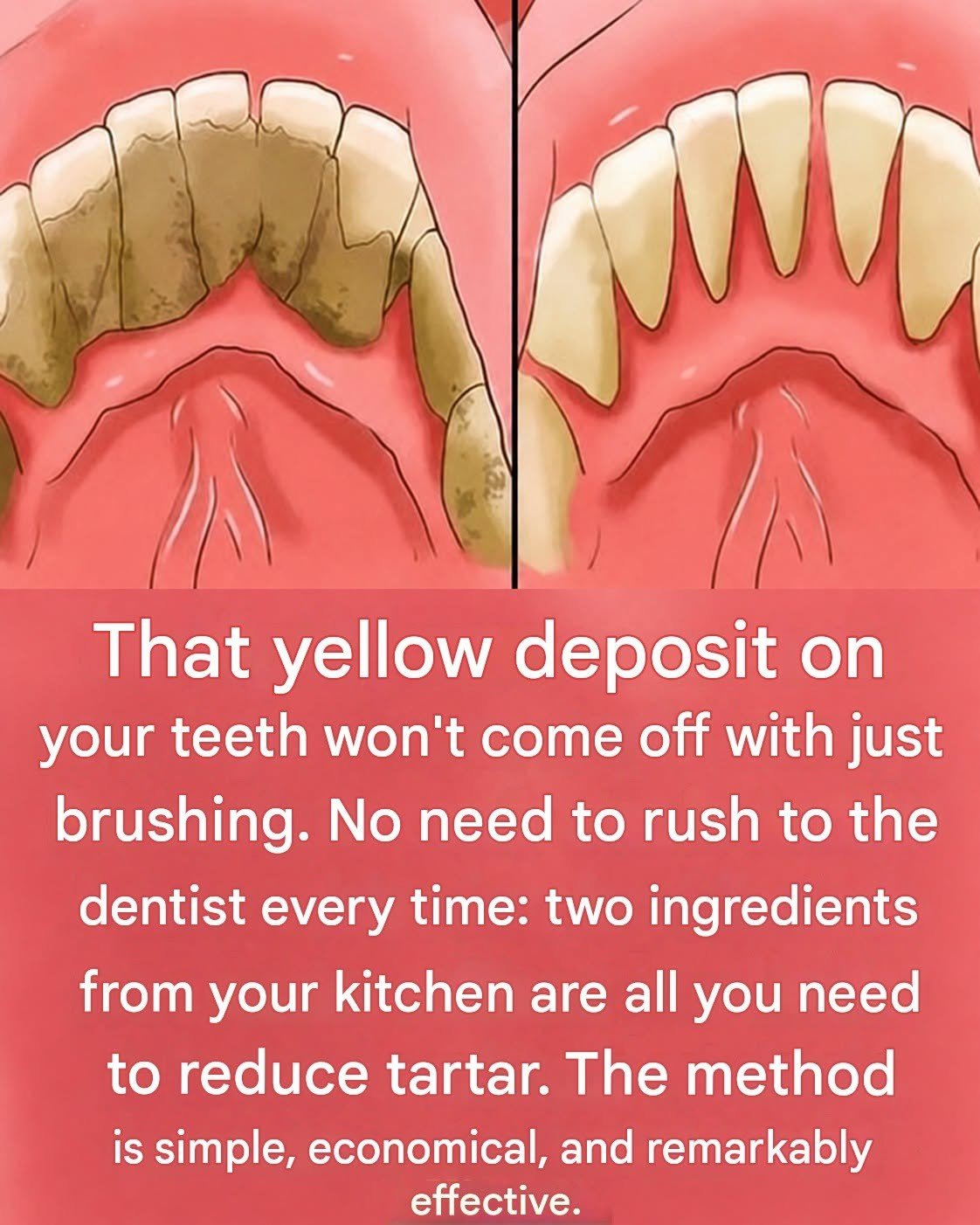
When sensationalized wellness articles suggest you can “be your own dentist” and remove tartar buildup at home, they are offering advice that is not only scientifically inaccurate but also genuinely dangerous to your oral health.
Internet hacks often recommend scraping your teeth with metal tools, pins, or using abrasive DIY chemical pastes (like baking soda, lemon juice, or hydrogen peroxide scrubs) to strip away hardened deposits. Let’s cut through the dangerous hype, examine what tartar actually is, and explain why attempting to remove it at home can permanently damage your teeth and gums.
Tartar vs. Plaque: Why DIY Removal Fails
To understand why home scraping tools don’t work, it helps to look at how dental deposits form:
-
Dental Plaque: A soft, sticky, colorless film of bacteria that constantly forms on your teeth. Plaque can be successfully removed at home through regular brushing and daily flossing.
-
Tartar (Calculus): When plaque is left on the teeth for more than 24 to 72 hours, minerals in your saliva interact with it, causing it to calcify and harden into a rock-like substance known as tartar.
Once plaque hardens into tartar, it bonds tenaciously to the enamel. It cannot be brushed, flossed, or scraped away with household objects because its adhesion strength is far greater than the bond between your enamel and the underlying tooth structure.
The Dangers of “DIY Dentistry”
Attempting to scrape tartar off your teeth at home with metal picks, needles, or improvised tools carries severe clinical risks:
-
Permanent Enamel Destruction: Metal dental scalers used improperly will easily scratch, gouge, or crack your tooth enamel. Once enamel is scratched or destroyed, it cannot regenerate, leaving the tooth permanently vulnerable to decay and sensitivity.
-
Severe Gum Lacerations: The sharp edges of home scrapers routinely slip, slicing deep into the delicate gingival (gum) tissue. This causes painful bleeding, trauma, and increases your risk of severe oral infection.
-
Gum Recession and Root Exposure: Chronic trauma from scraping or harsh chemical abrasives causes gums to recede, exposing the vulnerable tooth roots underneath and leading to extreme temperature sensitivity.
-
Pushing Bacteria Deeper: Improper scraping often pushes subgingival tartar and bacteria deeper into the periodontal pockets, actually worsening gum disease rather than treating it.
What You Can Do at Home (Prevention)
While you cannot remove existing tartar at home, you can take powerful, evidence-based steps to prevent new tartar from forming:
-
Brush Properly Twice a Day: Use a soft-bristled toothbrush (electric toothbrushes are clinically proven to remove up to 20% more plaque than manual brushing) with fluoride toothpaste for a full two minutes.
-
Floss Daily: Plaque accumulates tightly between teeth where bristles cannot reach. Daily flossing disrupts plaque before it has a chance to calcify into tartar.
-
Use Tartar-Control Mouthwash: An antiseptic or fluoride rinse helps neutralize oral bacteria and slow down mineral calcification.
When to See a Professional
The only safe and effective way to remove hardened tartar is through a professional scaling procedure performed by a licensed dentist or dental hygienist using specialized ultrasonic and manual instruments designed not to damage enamel. Scheduling regular dental cleanings every 6 months ensures tartar is cleared safely before it leads to gingivitis or periodontal disease.
