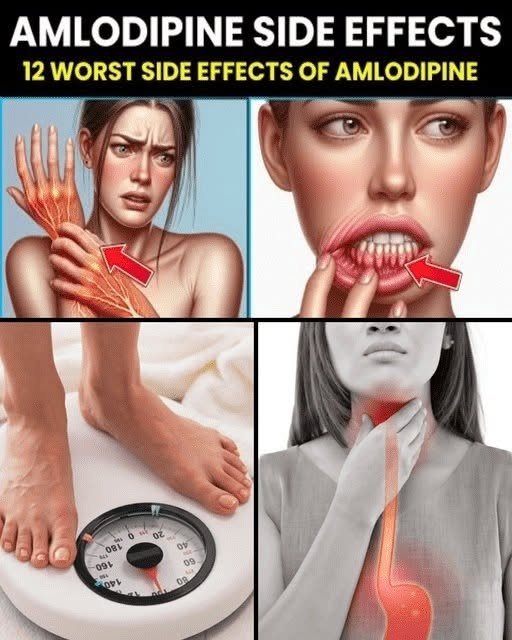
When sensationalized health articles shout about “12 worst side effects of amlodipine you should NEVER ignore!”, they use fear-inducing headlines to turn a routine, highly effective prescription medication into an alarming threat.
Amlodipine (commonly known by its brand name Norvasc) is a widely prescribed calcium channel blocker used by millions of people to manage high blood pressure and coronary artery disease. While like all medications it carries potential side effects, understanding the clinical reality helps you distinguish between normal, harmless adjustments and true medical red flags.
Let’s cut through the internet panic and examine what amlodipine actually does, its common side effects, and the rare warning signs that warrant a call to your doctor.
What Is Amlodipine and How Does It Work?
Amlodipine belongs to a class of drugs called calcium channel blockers.
-
The Mechanism: It works by relaxing the smooth muscle cells in the walls of your blood vessels, preventing calcium from entering them. This causes the blood vessels to widen (vasodilation), making it easier for your heart to pump blood and effectively lowering your blood pressure.
-
The Clinical Value: By reducing the workload on the heart and improving blood flow to cardiac muscle, it significantly lowers the risk of heart attacks and strokes.
Common, Harmless Side Effects (What to Expect)
Because amlodipine widens blood vessels system-wide, a few mild side effects occur frequently as your body adjusts to the medication. These are generally not dangerous, though you should always discuss them with your prescribing physician:
-
Peripheral Edema (Ankle and Foot Swelling): This is the most common side effect. Because blood vessels widen, fluid can seep into the surrounding tissues, particularly in the lower legs due to gravity. It is usually harmless and unrelated to heart failure.
-
Flushing and Warmth: A sudden feeling of warmth or redness in the face and neck caused by surface blood vessels dilating.
-
Mild Dizziness or Lightheadedness: Occurs when your blood pressure drops as your body adapts to the new baseline. Getting up slowly from a seated position usually helps.
-
Fatigue: Mild tiredness as your cardiovascular system operates under lower pressure.
True Medical Red Flags: Side Effects You Should Not Ignore
While serious side effects are uncommon, amlodipine can occasionally cause adverse reactions that require professional medical evaluation. Contact your doctor promptly if you experience any of the following:
-
Worsening Chest Pain (Angina): Paradoxically, in rare cases when starting amlodipine or increasing the dose, some individuals experience increased frequency or severity of chest pain.
-
Severe Dizziness or Fainting (Syncope): A sign that your blood pressure may be dropping too low (hypotension).
-
Pronounced Shortness of Breath: Difficulty breathing, especially when lying down, which can occasionally signal fluid retention affecting the lungs.
-
Significant Rapid Weight Gain: Gaining several pounds over a short period due to fluid buildup.
-
Yellowing of the Skin or Eyes (Jaundice) or Severe Fatigue: Rare signs of potential liver stress or drug-induced hepatitis.
-
Allergic Reactions: Hives, swelling of the face, lips, or tongue, or difficulty breathing (seek emergency care immediately).
Smart Practices When Taking Amlodipine
-
Never Stop Abruptly: Stopping amlodipine suddenly can cause a dangerous rebound spike in blood pressure. Always consult your doctor before modifying your dose or stopping the medication.
-
Track Your Readings: Maintain a home blood pressure log to share with your physician during follow-up visits so they can evaluate how well the medication is working.
