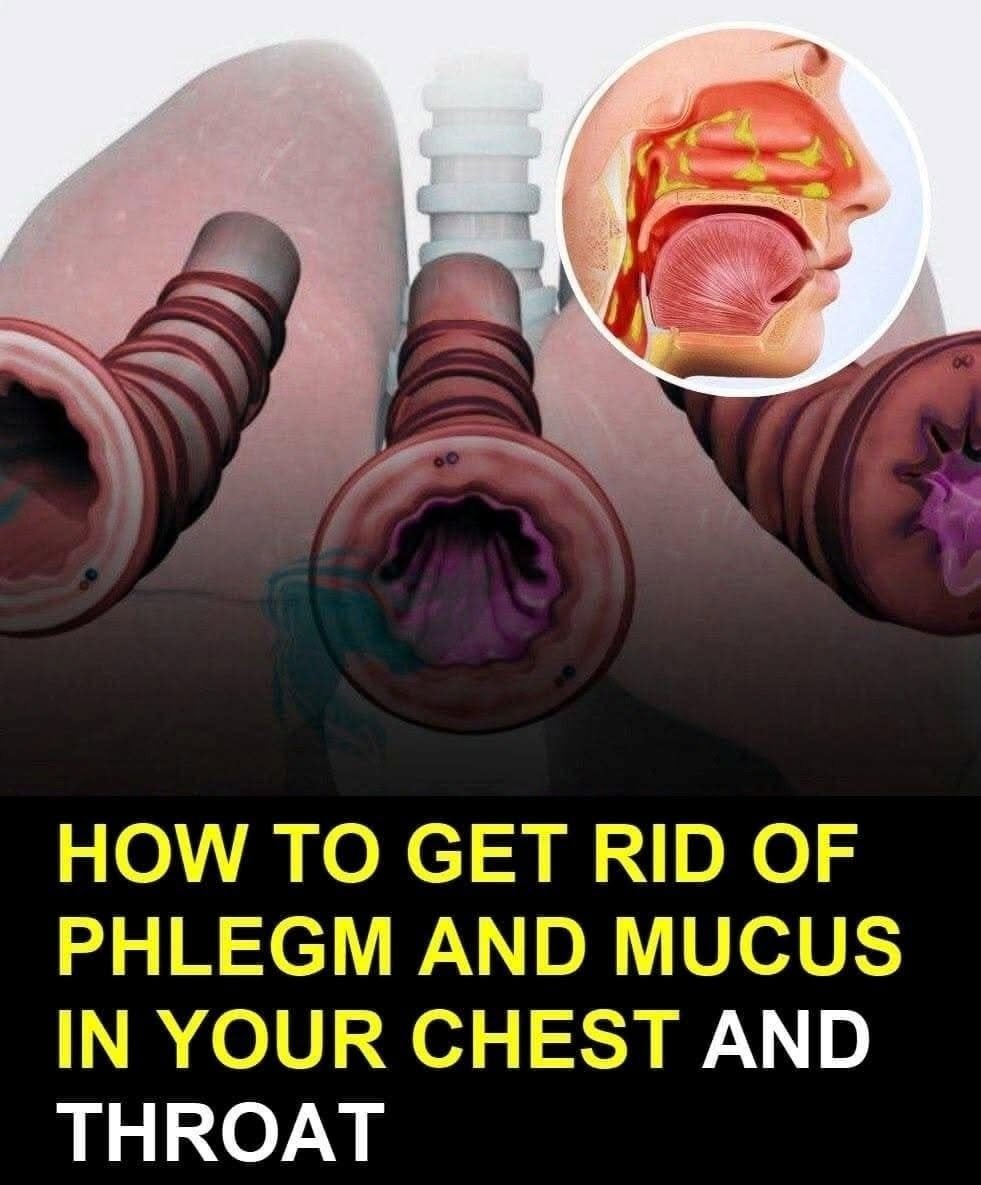
When viral health articles promise a secret kitchen trick to instantly melt away chest and throat mucus overnight, they often oversimplify how the respiratory system works. While you cannot instantly “dissolve” mucus with a single magical beverage, you can use evidence-based physiological principles to thin secretions, calm airway irritation, and help your body clear phlegm naturally.
Let’s cut through the clickbait hype, examine why we produce mucus in the first place, and look at the most effective, science-backed natural strategies to clear your chest and throat.
The Biological Reality: Why Do We Have Mucus?
Mucus is not an enemy; it is a vital defense mechanism produced by the mucous membranes lining your respiratory tract.
-
Its Job: It acts as a sticky trap that catches dust, allergens, bacteria, and viruses, preventing them from entering your lungs. Tiny hair-like structures called cilia constantly sweep this mucus upward toward your throat, where you swallow or clear it harmlessly.
-
Why It Thickens: When you catch a cold, suffer from allergies, or experience an infection, your immune system triggers inflammation, causing your body to produce excess, thicker mucus that can feel trapped in your chest or throat.
Evidence-Based Natural Ways to Thin and Clear Mucus
Because mucus is roughly 95% water, the most powerful and scientifically proven ways to manage it revolve around hydration and physical clearance techniques:
1. Aggressive Hydration (Water and Warm Fluids)
-
The Mechanism: Drinking plenty of water keeps your systemic hydration high, which directly thins the consistency of mucus, making it much easier for your cilia to move and for you to cough it up.
-
Actionable Step: Sip warm water throughout the day. Herbal teas with ginger or honey, warm broth, and decaffeinated green tea not only provide hydration but also offer soothing warmth that relaxes irritated throat tissues.
2. Steam Inhalation and Humidification
-
The Mechanism: Introducing warm, moist air directly into your upper and lower airways adds moisture to sticky secretions, loosening chest congestion and easing throat irritation.
-
Actionable Step: Take a long, steamy shower, or lean over a bowl of hot (not boiling) water with a towel draped over your head to trap the steam, breathing slowly and deeply for 5 to 10 minutes. Running a cool-mist humidifier in your bedroom at night also prevents mucus from drying out and hardening while you sleep.
3. Saltwater Gargles
-
The Mechanism: A warm saline gargle draws out excess fluid from swollen throat tissues through osmotic pressure, helping to dislodge stubborn post-nasal drip and mucus stuck in the back of the throat.
-
Actionable Step: Dissolve ½ teaspoon of salt into 8 ounces of warm water. Gargle for 30 seconds, spit it out, and repeat.
4. Controlled Coughing and Hydration-Assisted Clearance (Huff Coughing)
-
The Mechanism: Instead of violent, hacking coughing—which can further irritate and inflame your bronchial tubes—use a “huff cough.” Take a breath in, then use your stomach muscles to make a series of short, breathy “huff” sounds (like fogging up a pair of glasses). This moves mucus up from the larger airways without straining your throat.
5. Elevate Your Head While Sleeping
-
The Mechanism: Lying completely flat allows mucus to pool in the back of your throat, triggering morning congestion and coughing fits. Propping your head up with an extra pillow or using a wedge pillow lets gravity help keep your airways clear overnight.
Red Flag Symptoms: When to See a Doctor
While most chest and throat mucus resolves on its own with hydration and rest, certain signs indicate a bacterial infection or underlying condition that requires medical evaluation. Consult a healthcare professional if you experience:
-
Persistent Fever: A fever lasting more than a few days or accompanied by chills.
-
Discolored Sputum: Phlegm that turns dark green, rust-colored, or blood-streaked.
-
Shortness of Breath or Wheezing: Difficulty breathing or a wheezing sound when you exhale.
-
Duration: A cough and excess mucus that lasts longer than 3 weeks without improvement.
