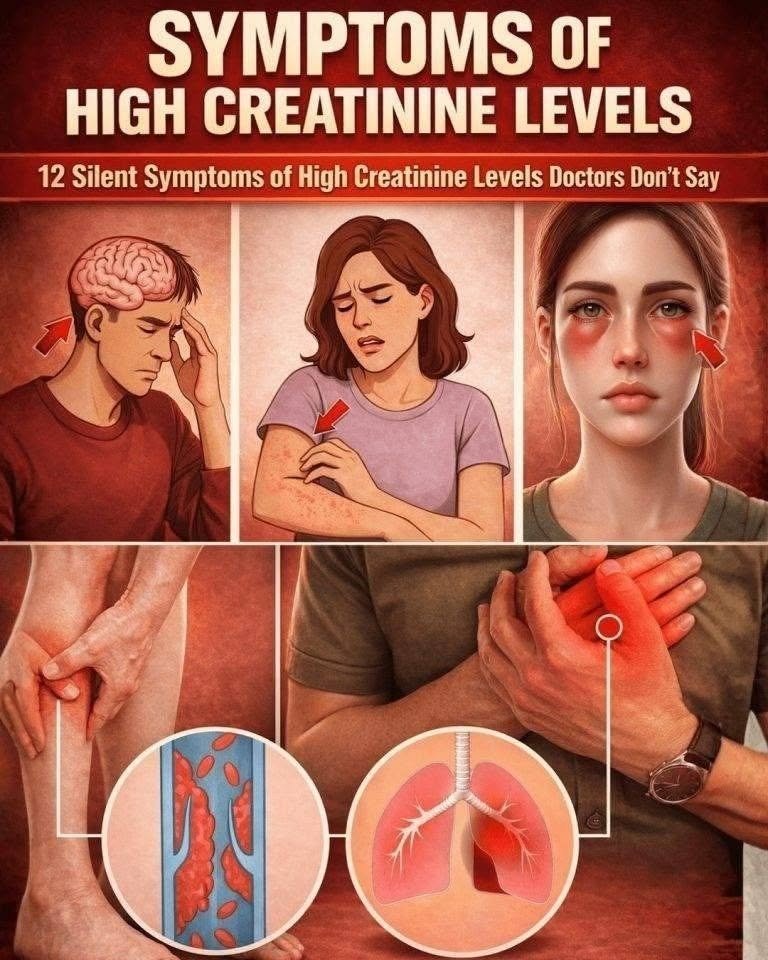
When health articles publish headlines like “12 subtle signs that may be linked to high creatinine and kidney problems,” they often turn routine physical changes into an alarming medical guessing game. While tracking your kidney health is vital, looking for a long checklist of vague symptoms is not how clinicians diagnose kidney dysfunction.
Let’s cut through the clickbait hype, examine what creatinine actually is, and look at the real signs that your kidneys may need medical attention.
What Is Creatinine and Why Does It Matter?
Creatinine is a waste product generated by normal, everyday muscle breakdown.
-
The Filtration Job: Your kidneys act as sophisticated microscopic filters (nephrons). They pull creatinine out of your bloodstream and flush it out through your urine.
-
The Clinical Meaning: When your kidneys begin to lose filtration efficiency, they cannot clear creatinine effectively. As a result, creatinine levels rise in your blood. A blood creatinine test, combined with an estimate of your filtration rate (eGFR), is the standard way doctors measure kidney function.
The Reality of “Subtle Signs”: Why Kidneys Are Silent
In the early and even moderate stages of chronic kidney disease (CKD), there are typically zero physical symptoms.
Your kidneys have an incredible physiological reserve and remarkable compensatory mechanisms. They can lose up to 50% or more of their function before you notice any external changes. Relying on “subtle signs” to catch early kidney issues is ineffective; routine blood and urine testing by your doctor is the only reliable detection method.
Advanced Signs of Declining Kidney Function
When kidney function declines significantly (usually in advanced stages), waste products and fluid build up in the body, which can manifest as more noticeable clinical symptoms:
-
Persistent Fatigue and Weakness: As kidney function drops, anemia often develops because failing kidneys produce less erythropoietin (EPO), the hormone that signals your bone marrow to make red blood cells. Less oxygen delivery leaves you feeling chronically exhausted.
-
Changes in Urination: Waking up frequently at night to urinate (nocturia), noticing foamy or bubbly urine (a sign of excess protein leaking through damaged filters), or seeing blood in your urine.
-
Swelling (Edema): Decreased kidney function leads to sodium and fluid retention, causing noticeable swelling in your feet, ankles, legs, or hands, and sometimes puffiness around your eyes.
-
Itchy, Dry Skin: When kidneys fail to maintain the proper balance of minerals and nutrients in your blood (such as phosphorus and calcium), a buildup of waste products can cause severe, deep-seated itching.
-
Shortness of Breath: Fluid buildup can back up into the lungs, or anemia can make you feel breathless with minimal exertion.
-
Unexplained Nausea or Loss of Appetite: A buildup of toxins in the blood (uremia) can alter your sense of taste, cause persistent nausea, or kill your appetite.
Actionable Steps to Protect Your Kidneys
Because kidneys rarely complain until damage is advanced, protecting them proactively is essential:
-
Manage Blood Pressure and Blood Sugar: Hypertension and diabetes are the two leading causes of kidney disease. Keeping them tightly controlled is the single best way to protect your nephrons.
-
Use Pain Relievers Cautiously: Chronic, high-dose use of NSAIDs (such as ibuprofen, naproxen, or high-dose aspirin) can reduce blood flow to the kidneys and cause injury over time.
-
Get Routine Labs: If you have risk factors like high blood pressure, diabetes, or a family history of kidney disease, ask your doctor to check your kidney function (creatinine/eGFR and a urine protein test) during routine physicals.
