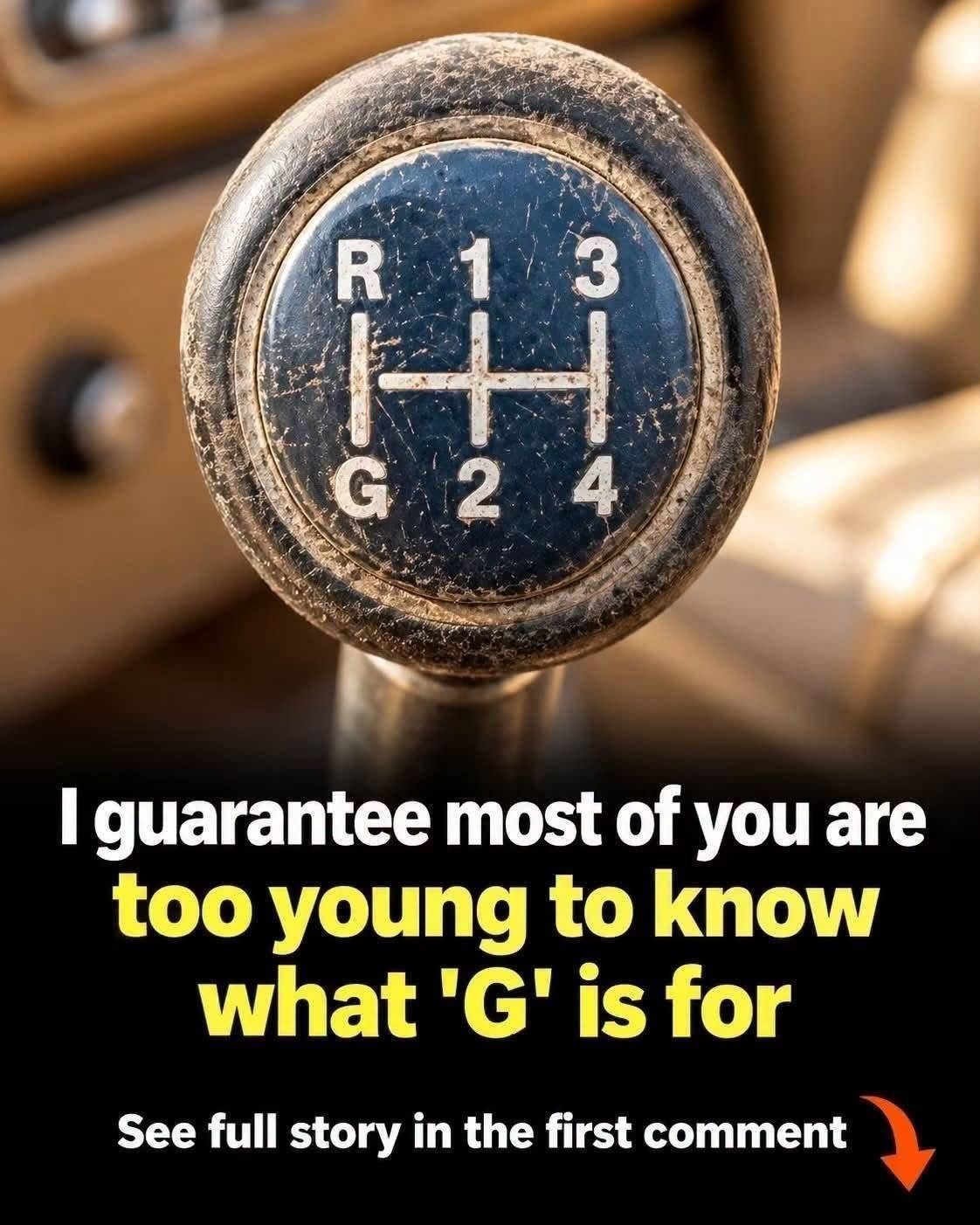
When viral automotive articles or social media posts claim that drivers are surprised to learn what “G” means on a manual stick shift, they are usually playing on the mystery of an uncommon gear symbol. While most standard manual transmissions feature a familiar 5-speed or 6-speed H-pattern with numbers and an “R” for Reverse, spotting a “G” can definitely catch drivers off guard.
Let’s cut through the clickbait hype, examine what that “G” actually stands for, and look at where you will find it.
What Does “G” Stand For?
On a manual gear shift knob, “G” stands for “Grand” (in French, Grand vitesse or low/crawler gear) or more commonly in English-speaking and heavy-duty applications, “Grandma Gear,” “Granny Gear,” or simply “Crawler Gear.”
It is an ultra-low gear—even lower than first gear—designed specifically for maximum torque and heavy mechanical advantage rather than highway speed.
Where Will You Find a “G” Gear?
You won’t find a “G” gear on a standard commuter hatchback or sedan. They are typically found in specific vehicle categories:
-
Heavy-Duty Trucks and Work Vehicles: Older pickup trucks, utility vehicles, or commercial medium-duty trucks designed for heavy hauling often feature a granny gear to get a massive load moving from a dead stop without burning out the clutch.
-
Off-Road and 4×4 Vehicles: Some rugged off-road vehicles (such as older Jeep, Toyota, or agricultural utility transmissions) use a specialized creeper gear to crawl slowly and precisely over boulders, steep inclines, or through deep mud without stalling.
-
European Commercial or Agricultural Vehicles: In French or European utility manuals, Grandes or Grand can designate low-range or heavy-pulling ratios.
How a “Granny Gear” Works
In a standard 5-speed transmission, first gear is engineered to get the car moving and take you up to about 15–25 mph. A “G” gear, however, has an extremely high gear ratio (sometimes 6:1 or higher).
-
The Trade-Off: It provides immense pulling power and wheel torque, but almost zero speed. If you try to drive normally in “G,” your engine will scream at high RPMs while you crawl forward at walking pace (often just 3 to 5 mph).
-
When to Use It: Drivers use it exclusively when starting on a steep incline while towing a heavy trailer, pulling a stump, or navigating technical off-road terrain where precise, low-speed control is essential. In daily driving, you simply skip right over it and start in standard 1st gear.
