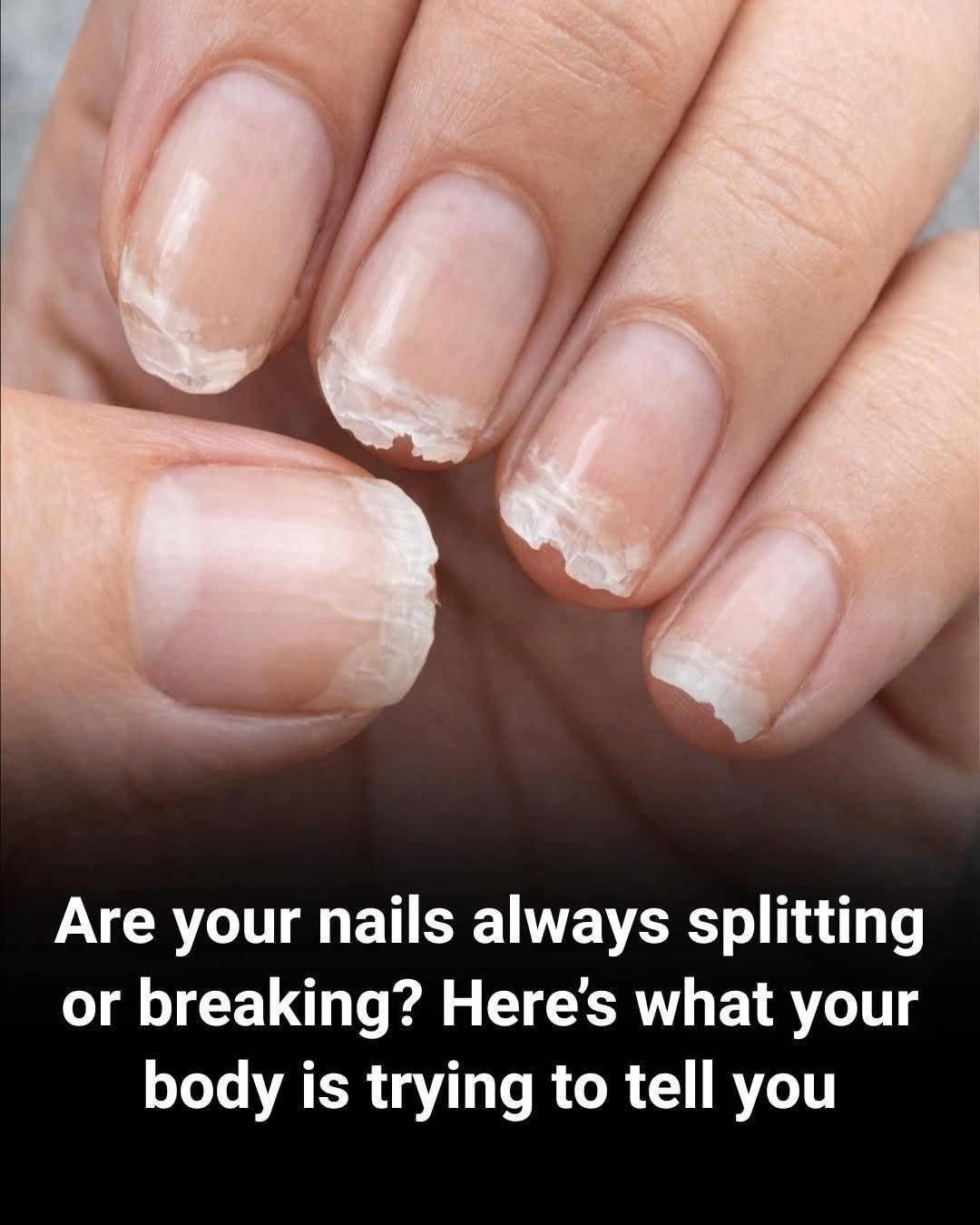
Sensationalist health headlines love to frame weak, splitting, or brittle nails as a terrifying sign of an imminent, obscure systemic collapse. In clinical dermatology, primary care, and nutritional medicine, your fingernails are indeed a helpful window into your overall well-being, but brittle nails are usually caused by a mix of everyday environmental stressors, natural aging, or common, easily addressed nutritional factors rather than a mysterious pathology.
External Factors (The Most Common Culprits)
Before looking at deep internal disease, dermatologists look at what your hands are exposed to day-to-day. Nails act like dense sponges that absorb and lose moisture much faster than skin:
-
Frequent Wet-Dry Cycles
-
The Mechanism: Constantly washing your hands, swimming, or doing dishes without gloves causes nails to repeatedly swell with water and then rapidly dry out. This mechanical stress breaks down the keratin bonds holding the nail plate together, leading to peeling and splitting (a condition called onychoschizia).
-
-
Harsh Chemicals and Solvents
-
The Mechanism: Frequent exposure to household cleaning products, harsh detergents, hand sanitizers, and acetone-based nail polish removers strips the natural protective lipid layer right off the nail plate.
-
Internal Factors (What Your Body May Be Signaling)
If your fingernails and toenails are consistently brittle, or if structural changes happen alongside other symptoms, clinicians evaluate a few internal health markers:
-
Iron-Deficiency Anemia
-
The Mechanism: Low iron levels reduce hemoglobin production, meaning less oxygen is delivered to fast-growing tissues like your nail beds. This can make nails thin, weak, or concave (spoon-shaped).
-
-
Thyroid Imbalances (Hypothyroidism)
-
The Mechanism: An underactive thyroid slows down your body’s overall metabolic rate. Because nail growth relies on active cellular turnover, a sluggish thyroid can result in dry, brittle, slow-growing nails accompanied by fatigue or dry skin.
-
-
Nutritional Deficiencies (Protein and Micronutrients)
-
The Mechanism: Nails are built from protein (keratin). A diet chronically low in complete proteins, zinc, or biotin can compromise the structural integrity of new nail growth.
-
Evidence-Based Tips to Strengthen Your Nails
-
Protect with Gloves: Wear rubber or silicone gloves when doing wet housework, washing dishes, or handling cleaning chemicals.
-
Moisturize Frequently: Apply a thick hand cream or cuticle oil containing lanolin, alpha-hydroxy acids, or petroleum jelly directly to your nails and cuticles—especially immediately after hand-washing while skin is still damp.
-
Skip Acetone: Switch to an acetone-free nail polish remover to prevent excessive drying of the nail plate.
-
Hydrate and Nourish: Maintain a balanced diet rich in lean proteins, iron sources (like leafy greens, lentils, or lean meats), and adequate daily water intake.
The Bottom Line
Occasional peeling or brittle nails from typing, cold winter air, or cleaning are entirely normal and easily managed with targeted moisture. However, if nail brittleness is severe, sudden, or accompanied by other systemic symptoms like chronic fatigue, hair loss, or unexplained weight changes, a simple blood panel from your doctor can check your iron levels and thyroid function.
Are you looking for ways to strengthen your nails naturally, or exploring routine wellness diagnostics?
