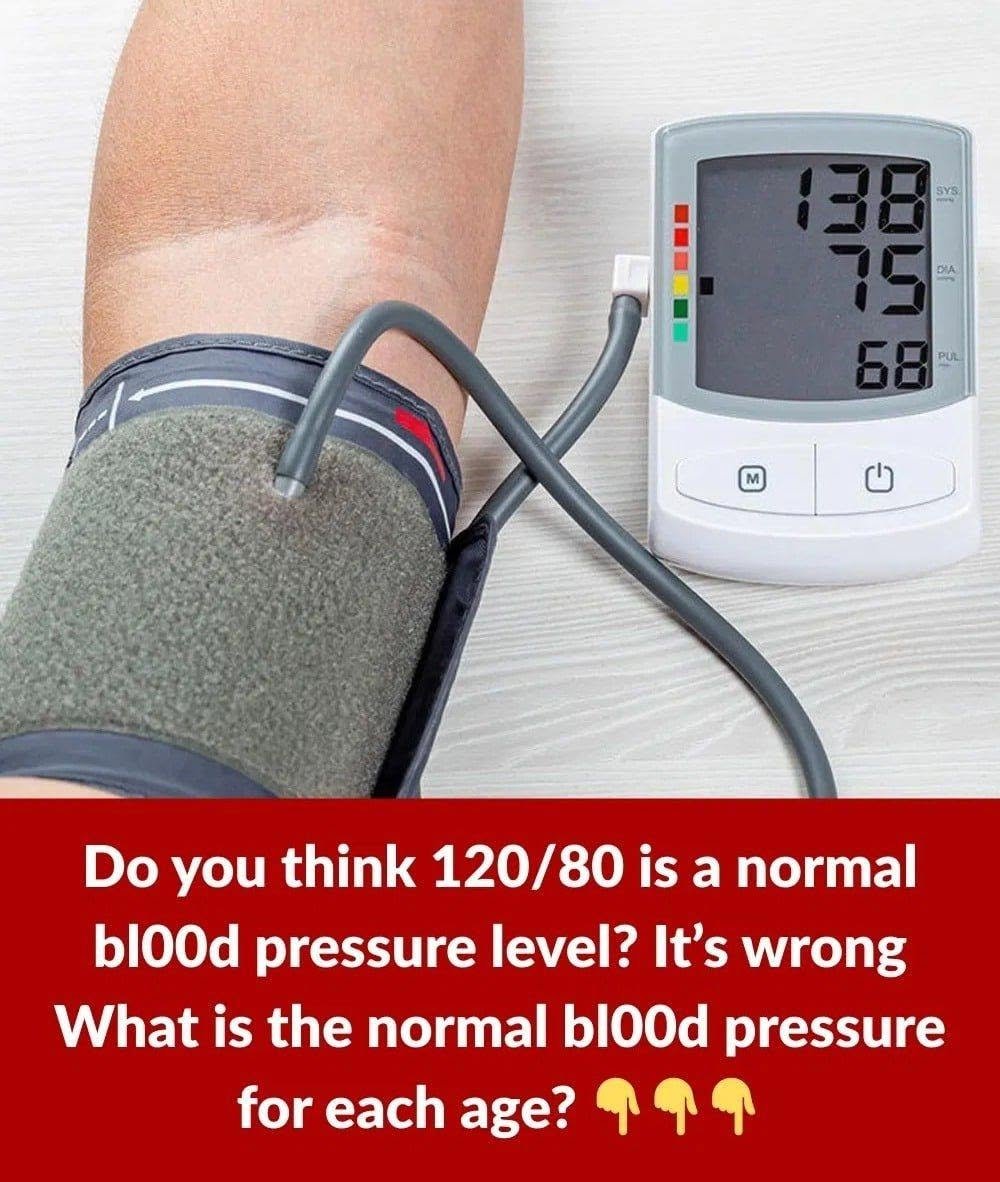
When health guides publish charts detailing “the normal blood pressure for each age,” they often present rigid, one-size-fits-all numbers that can cause unnecessary panic if a reader’s reading is a few points off.
From a clinical cardiology and geriatric perspective, blood pressure naturally fluctuates throughout the day based on activity, stress, hydration, and posture. While age-related stiffening of the arteries does influence baseline readings, modern clinical guidelines emphasize that optimal blood pressure targets are tailored to your overall cardiovascular risk profile, medical history, and individual tolerance rather than your birth certificate alone.
Understanding Blood Pressure Readings
Every blood pressure reading consists of two numbers measured in millimeters of mercury ($\text{mmHg}$):
-
Systolic Pressure (The Top Number): Measures the pressure in your arteries when your heart beats and pumps blood.
-
Diastolic Pressure (The Bottom Number): Measures the pressure in your arteries when your heart rests between beats.
General Clinical Guidelines for Adults
According to major cardiovascular associations (such as the American Heart Association and ACC), general blood pressure categories for adults include:
| Category | Systolic (mmHg) | Diastolic (mmHg) | |
| Normal | Less than 120 | and | Less than 80 |
| Elevated | 120–129 | and | Less than 80 |
| Hypertension Stage 1 | 130–139 | or | 80–89 |
| Hypertension Stage 2 | 135 or higher | or | 90 or higher |
Why Age-Based Targets Are Nuanced (Especially in Later Life)
-
Arterial Compliance: As we age, connective tissues in blood vessel walls naturally lose some elasticity, often causing the systolic pressure to rise while diastolic pressure may level off or even decline.
-
Individualized Geriatric Targets: For older adults, overly aggressive blood pressure lowering can sometimes cause dizziness, lightheadedness, or falls due to orthostatic hypotension (blood pressure drops when standing up). Consequently, physicians often set personalized, safe target ranges for patients over 65 rather than rigidly applying standard younger adult cutoffs.
-
The Danger of “White Coat” Syndrome: A single high reading at a doctor’s office or home can be triggered by anxiety, rushing, caffeine, or a full bladder. Clinical evaluation relies on trends over time, ideally measured with a validated home blood pressure monitor.
Evidence-Based Ways to Support Healthy Blood Pressure
-
Regular Home Monitoring: Check your blood pressure at the same time each day while sitting quietly with your feet flat on the floor and your arm supported at heart level. Keep a log to share with your physician.
-
Moderate Sodium Intake: Focus on whole foods and minimize processed or restaurant meals, which are major hidden sources of sodium that can increase fluid retention and vascular tension.
-
Embrace Consistency in Movement: Regular aerobic exercise—such as brisk walking, swimming, or cycling—helps keep blood vessels flexible and lowers resting blood pressure naturally over time.
-
Consult Your Physician: Partner with your primary care doctor to establish what your specific, ideal blood pressure target should be based on your unique health history.
