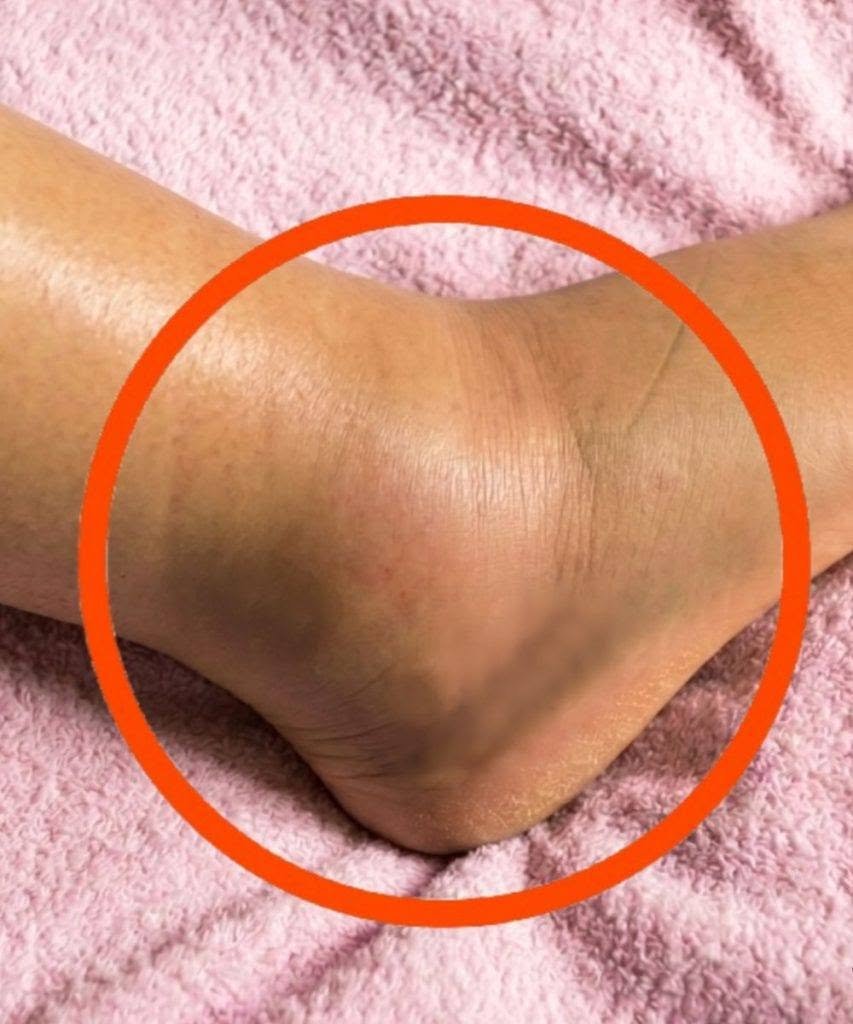
When sensationalized health clickbait cuts off a sentence with a terrifying ellipsis—warning that “if you notice your legs are swollen, that’s a sign of ca…”—they are deliberately weaponizing health anxiety. They want your mind to instantly jump to the worst-case scenario (like cancer or catastrophic organ failure) to trick you into clicking an alarmist article filled with unverified supplement pitches.
From a clinical geriatric and cardiovascular perspective, lower extremity edema (leg swelling) is indeed a common and important clinical sign, but it has a very wide range of physical causes—the vast majority of which are completely unrelated to cancer. Understanding what actually causes fluid retention helps replace panic with practical, evidence-based care.
The Real Clinical Causes of Leg Swelling
Why do legs and ankles swell as we age, and what is happening in the body?
-
Venous Insufficiency (The Most Common Culprit): Your veins have tiny, one-way valves that push blood back up toward your heart against gravity. Over time, or due to lack of movement, these valves can weaken, causing blood and fluid to pool downward into the lower legs and ankles.
-
Congestive Heart Failure (CHF): When the heart muscle pumps less efficiently, blood circulation slows down, causing fluid to back up in the blood vessels and leak into surrounding tissues (often presenting as swelling in both legs and feet).
-
Medication Side Effects: A variety of common prescription drugs—particularly calcium channel blockers used for high blood pressure, certain NSAID pain relievers, and hormone therapies—can cause fluid retention as a side effect.
-
Kidney or Liver Conditions: Because your kidneys and liver regulate fluid balance and protein levels in the blood, impaired function in either organ can lead to generalized fluid retention throughout the body, including the legs.
-
Local Factors: Standing or sitting for long periods, minor injuries, localized inflammation, or blood clots (deep vein thrombosis, usually affecting just one leg) can also cause acute swelling.
Evidence-Based Steps for Managing Leg Swelling
If you or a loved one are experiencing persistent swelling in the legs or ankles, clinical guidelines emphasize thoughtful evaluation rather than jumping to frightening conclusions:
-
Schedule a Clinical Evaluation: Because leg swelling can stem from several distinct physiological systems (vascular, cardiac, or renal), the safest step is to consult your primary care physician. They can run simple assessments to pinpoint the exact root cause.
-
Elevate Your Legs: When resting, prop your legs up on pillows so they sit above the level of your heart. This uses gravity to help fluid drain naturally back into your circulatory system.
-
Incorporate Gentle Movement: Regular low-impact exercise—such as walking or ankle rolls—activates your calf muscles, which act as a natural pump to keep blood moving upward.
-
Monitor Sodium Intake: Excess dietary salt causes your body to hold onto extra fluid, which worsens swelling. Focus on whole, minimally processed foods to naturally moderate sodium balance.
-
When to Seek Immediate Care: Seek prompt medical attention if swelling appears suddenly in only one leg, is accompanied by severe pain, redness, or warmth, or if you experience sudden shortness of breath or chest pain.
