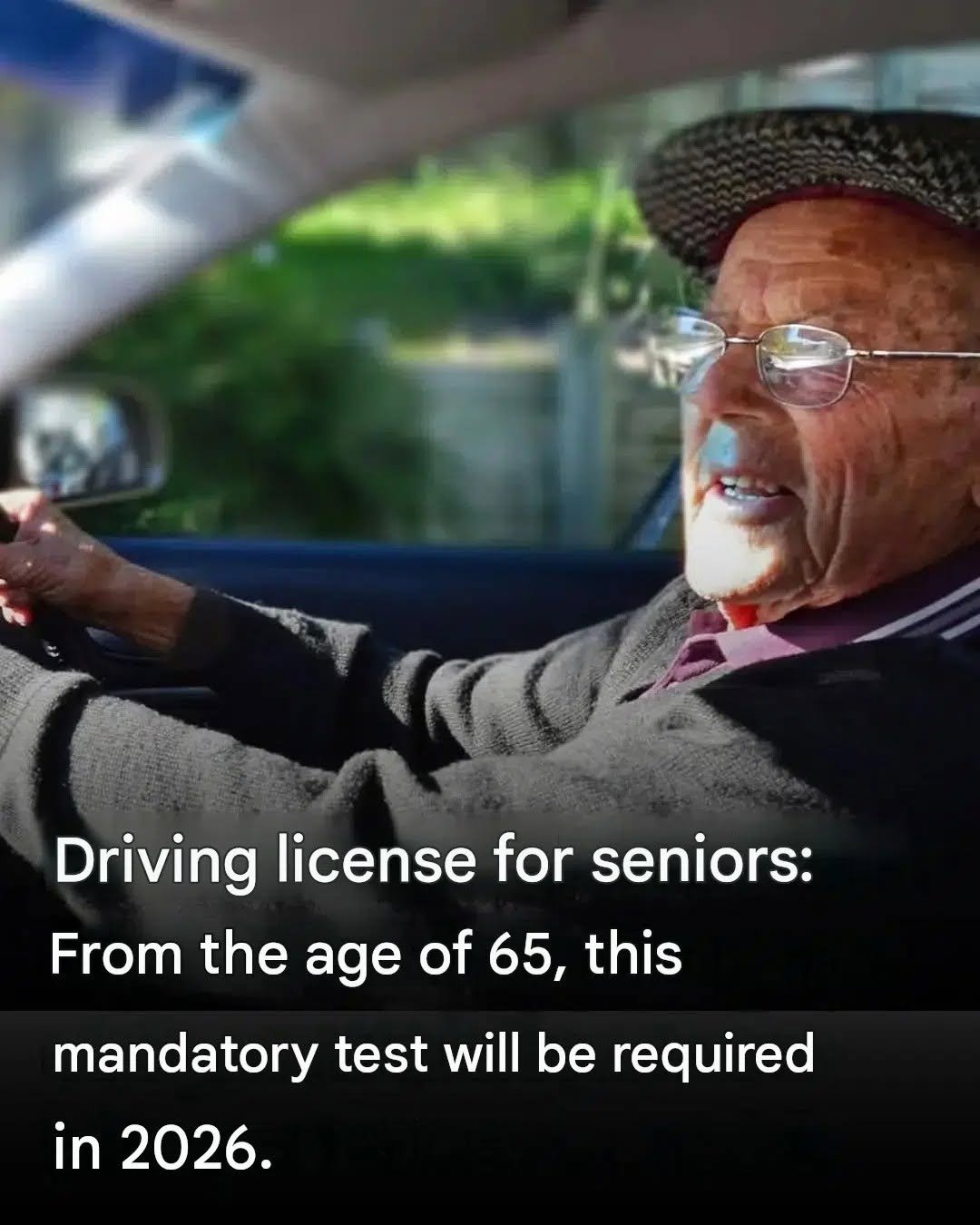
When sensationalized headlines claim that “From the age of 65, this driving test will become mandatory in 2026,” they are often relying on sweeping, clickbait generalizations—or misinterpreting localized legislative proposals or foreign policy changes—to spark widespread anxiety among older drivers.
From a clinical geriatric, public safety, and licensing perspective, driver safety policy does not operate on a sudden, universal, one-size-fits-all panic mandate. While many regional licensing authorities naturally implement stricter administrative or health check-ins as drivers age, a blanket, mandatory on-road driving test triggered purely by turning 65 is rare and typically sensationalized out of context.
The Reality Behind Senior Driving Regulations
Why do driving rules shift as we age, and what do licensing bodies actually focus on?
-
Age vs. Functional Ability: Geriatric medicine and traffic safety experts consistently emphasize that chronological age is a poor indicator of driving competence. Many drivers over 65 (and well beyond) possess excellent judgment, decades of experience, and uncompromised reaction times. Conversely, functional impairments can happen at any age.
-
The Nature of Senior License Renewals: Rather than forcing every 65-year-old to retake a stressful behind-the-wheel road test, most transport authorities and motor vehicle departments focus on progressive safeguards:
-
Shorter Renewal Cycles: Licensing windows often shorten as drivers move past 70 or 75 to ensure more frequent touchpoints.
-
Vision Screenings: Ensuring visual acuity and peripheral awareness remain at safe driving standards.
-
In-Person Office Visits: Requiring older adults to renew in person rather than online to allow administrative staff to perform routine observational assessments.
-
-
When Practical Tests Are Actually Required: A physical driving or written knowledge test is typically only triggered if a specific medical condition is reported, a doctor submits a formal fitness-to-drive concern, or a driver has been involved in recent accidents or traffic violations.
Evidence-Based Ways to Maintain Safe, Independent Driving
If you or an older loved one want to ensure lifelong driving safety and confidence without worrying about viral scare tactics, practical guidelines focus on proactive self-assessment and comfort:
-
Regular Vision and Hearing Checks: Changes in eyesight (such as cataracts, glaucoma, or declining night vision) and hearing are the most common physical shifts with age. Routine annual checks with an optometrist or ophthalmologist keep your senses sharp for the road.
-
Manage Medications Mindfully: As discussed in medication safety guidelines, many common prescriptions (like sedatives, muscle relaxants, or certain blood pressure medications) can impact reaction times. Always review your drug regimen with your doctor or pharmacist regarding alertness.
-
Optimize Your Vehicle for Comfort: Simple adjustments—such as adding seat cushions for better posture, ensuring mirrors are properly aligned, or choosing a vehicle with modern safety features (like blind-spot monitoring and backup cameras)—can dramatically enhance driving ease.
-
Proactive Self-Regulation: Safe drivers naturally adapt by limiting night driving, avoiding heavy rush-hour traffic, or choosing familiar routes during inclement weather.
