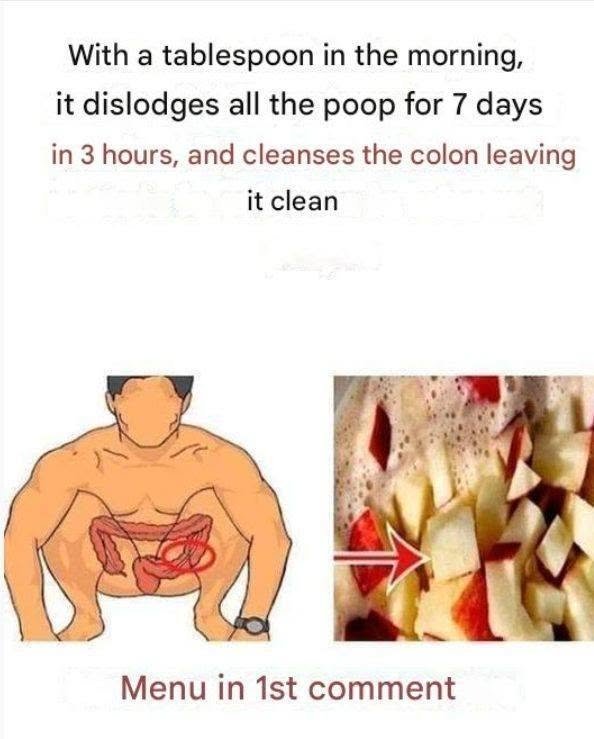
When sensationalized health clickbait promises “3 natural remedies that facilitate the evacuation of stools according to a dietician,” they love to dress up basic, everyday biological facts as revolutionary, hidden secrets. They often frame constipation as a toxic emergency that requires an aggressive, magical flush or a bizarre kitchen concoction.
From a clinical gastroenterology and geriatric perspective, regularity is simply a matter of physics, hydration, and fiber. While legitimate dieticians and gastroenterologists rely on time-tested, physiological principles to support bowel motility, no single trick replaces the foundational pillars of digestive health.
The Reality Behind Natural Bowel Regularity
Why do certain foods and habits actually help facilitate stool evacuation, and where do viral claims miss the mark?
-
Fiber Mechanics (Soluble vs. Insoluble):
-
Insoluble fiber (found in whole grains, wheat bran, and vegetable skins) acts like a broom, adding bulk to stool and stimulating the muscular contractions (peristalsis) of the colon.
-
Soluble fiber (found in oats, chia seeds, beans, and psyllium) absorbs water to form a gel-like consistency, softening stool so it passes smoothly.
-
-
The Crucial Role of Hydration: Fiber cannot do its job alone. Without adequate water, increasing fiber intake can actually backfire, creating dense, hard stools that worsen constipation. Water is the lubricant that allows bulk to move efficiently.
-
The Danger of Aggressive “Flushes”: Viral remedies often promote harsh herbal laxatives or extreme concoctions that force evacuation through irritation. Over-relying on aggressive stimulants can lead to lazy bowel syndrome or electrolyte imbalances, whereas true clinical nutrition focuses on sustainable, daily motility.
3 Evidence-Based Dietary Staples Recommended by Clinicians
Instead of secret elixirs, registered dieticians and gastroenterologists consistently look to these three physiological anchors to maintain regular bowel function:
-
1. Targeted Soluble & Insoluble Fiber (e.g., Prunes, Chia Seeds, and Whole Grains):
-
Why it works: Prunes (dried plums) contain a double benefit: natural insoluble fiber combined with sorbitol, a natural sugar alcohol that acts as an osmotic agent, drawing water gently into the colon to soften stool.
-
-
2. Consistent Systemic Hydration:
-
Why it works: Drinking water throughout the day ensures that your colon doesn’t excessively reabsorb fluid from waste. Warm liquids in the morning can also help stimulate the gastrocolic reflex, encouraging natural morning motility.
-
-
3. Healthy Fats to Lubricate the Pathway:
-
Why it works: Incorporating healthy dietary fats—such as olive oil, avocado, or nuts—helps lubricate the digestive tract and supports smooth transit of waste through the bowel.
-
Evidence-Based Ways to Manage Constipation Safely
If you or an older loved one are experiencing occasional sluggishness or discomfort, clinical guidelines recommend a sensible, step-by-step approach:
-
Gradually Increase Fiber: If you add fiber to your diet, do it slowly over a week or two and increase your water intake simultaneously to prevent gas and bloating.
-
Optimize Bathroom Mechanics: Using a small footstool (like a squatting posture aid) while sitting on the toilet elevates your knees, straightening the anorectal angle and making evacuation physically easier with less straining.
-
Avoid Straining and Harsh Stimulants: Chronic straining can lead to hemorrhoids or cardiovascular stress. If lifestyle adjustments don’t help, consult a pharmacist or doctor before reaching for harsh laxatives.
-
When to See a Doctor: If constipation is new, persistent (lasting longer than three weeks), accompanied by severe abdominal pain, unexplained weight loss, or blood in the stool, skip the internet hacks and consult your physician to rule out underlying medical causes.
