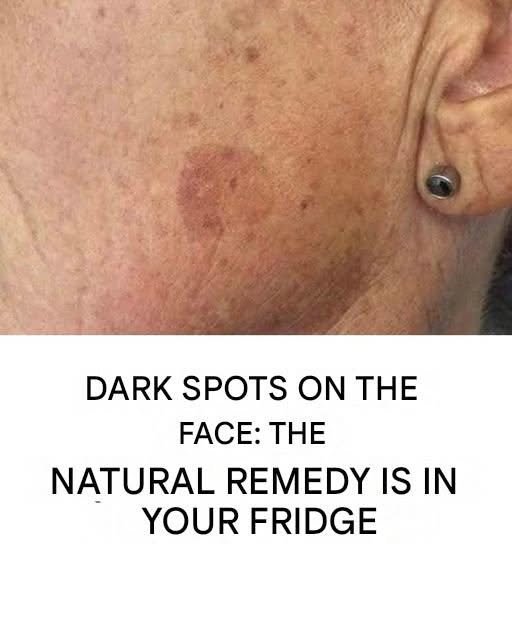
When viral beauty reels or clickbait ads promise that you can “add it to your cream and blemishes on your face will be a distant memory,” they are relying on a classic marketing formula: taking a common kitchen ingredient (like lemon juice, baking soda, toothpaste, or apple cider vinegar) and framing it as a secret dermatological cure-all.
Let’s cut through the internet hype, examine how blemishes actually form, and look at why kitchen remedies mixed into face creams often cause more harm than good.
The Clinical Reality: Can You Mix Quick Fixes into Cream to Erase Blemishes?
In dermatology, acne and blemishes (whether inflammatory papules, pustules, or hyperpigmentation) are complex clinical conditions influenced by hormones, sebum production, bacterial overgrowth (Cutibacterium acnes), and skin barrier inflammation.
No single household ingredient mixed into a facial cream can instantly erase blemishes. In fact, haphazardly mixing unverified substances into your skincare products often disrupts the formulation’s preservative system, compromises your skin barrier, and leads to irritation, chemical burns, or worsened breakouts.
Debunking Popular Kitchen “Blemish Cures”
-
The Lemon Juice Myth: People often mix citrus juice into creams to fade dark spots or acne scars. However, lemon juice is highly acidic and contains compounds called furocoumarins that cause phytophotodermatitis—a severe skin reaction when exposed to sunlight, leading to blistering, burns, and dark patches.
-
The Baking Soda Myth: Because it feels abrasive, some use baking soda as an exfoliant. Baking soda is extremely alkaline (high pH), which strips away the skin’s natural acidic mantle (pH 4.5–5.5), destroying the moisture barrier and inviting bacterial infection.
-
The Toothpaste Myth: Applying toothpaste to a pimple to “dry it out” usually introduces harsh ingredients like mint, baking soda, and sodium lauryl sulfate, resulting in severe chemical irritation and redness around the blemish.
Evidence-Based Dermatology: What Actually Treats Blemishes?
Instead of guessing with DIY kitchen mixtures, modern dermatology relies on clinically tested, targeted active ingredients that treat the root causes of blemishes safely:
-
Salicylic Acid (Beta Hydroxy Acid – BHA):
-
Why It Works: Oil-soluble BHA penetrates deep inside your pores to dissolve excess sebum and dead skin cells, making it exceptionally effective for blackheads, whiteheads, and active breakouts.
-
-
Benzoyl Peroxide:
-
Why It Works: This powerful antimicrobial agent kills the acne-causing bacteria (C. acnes) directly inside the pore and helps reduce inflammation.
-
-
Topical Retinoids (Adapalene, Retinol):
-
Why It Works: Retinoids regulate cellular turnover, preventing dead skin cells from clogging pores in the first place while fading post-acne marks over time.
-
-
Alpha Hydroxy Acids (Glycolic or Lactic Acid):
-
Why It Works: AHAs exfoliate the surface of the skin, smoothing texture and fading hyperpigmentation left behind by healed blemishes.
-
When to Consult a Dermatologist
If stubborn breakouts, cystic acne, or persistent hyperpigmentation do not respond to over-the-counter care, it is time to consult a board-certified dermatologist. They can provide prescription-strength topical treatments, oral therapies, or professional procedures (such as medical-grade chemical peels) tailored safely to your unique skin type.
