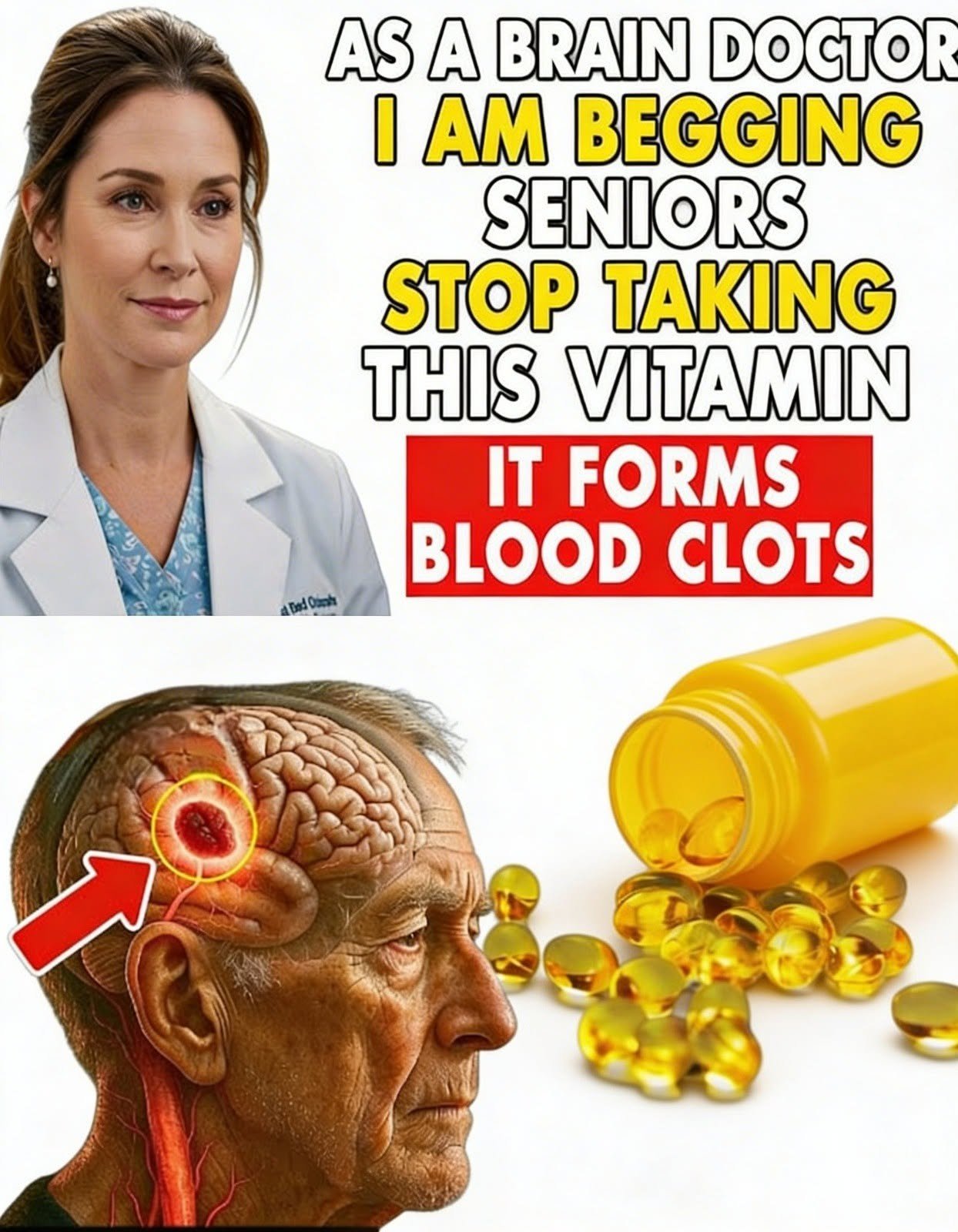
Viral health videos and online clickbait frequently use dramatic hooks like “As a brain doctor, I’m shocked this vitamin raises stroke risk overnight!” to grab attention. While these alarming headlines sound terrifying—especially for seniors concerned about cardiovascular and neurological health—they usually sensationalize complex nutritional science out of context.
When you look at what medical research actually says about vitamins and stroke risk, a very different, more reassuring picture emerges: vitamins do not raise your stroke risk overnight.
However, certain nuances regarding how vitamins interact with the body, blood vessels, and medications are worth understanding clearly.
The Reality Behind Vitamins and Vascular Health
-
Vitamins Are Not “Overnight” Triggers Strokes (whether ischemic, caused by a blocked blood vessel, or hemorrhagic, caused by bleeding) develop over time due to chronic vascular conditions like high blood pressure, atherosclerosis, diabetes, or abnormal heart rhythms like atrial fibrillation. No single vitamin dose can trigger a stroke overnight.
-
The Danger of Mega-Doses and Imbalances While vitamins are essential for health, taking extreme, unmonitored mega-doses of certain supplements can backfire:
-
Fat-Soluble Vitamins (Vitamin D, E, A): Excessively high doses of Vitamin E or megadoses of Vitamin D over long periods can theoretically impact coagulation or interact with blood-vessel integrity. For instance, extremely high levels of Vitamin E can occasionally increase bleeding risks.
-
The B-Complex Balance (B6, B12, Folate): These vitamins are generally beneficial because they help lower homocysteine—an amino acid that, when elevated, can damage blood vessel linings and raise stroke risk. However, taking isolated, massive doses of one B vitamin without the others can mask deficiencies or cause other metabolic imbalances over time.
-
-
Medication Interactions Are the Real Risk The true danger for seniors isn’t the vitamin itself, but how supplements interact with prescription drugs. For example, if a senior is taking a blood thinner (like Warfarin) for stroke prevention, suddenly introducing high-dose supplements or foods rich in Vitamin K can counteract the medication, dramatically altering blood-clotting times.
What Seniors Should Actually Focus On
Instead of fearing everyday nutrients, focus on safe, evidence-based habits to protect your cerebrovascular health:
-
Test, Don’t Guess: Ask your physician to check your actual blood levels (such as Vitamin D, B12, and a standard lipid panel) before starting high-dose supplementation.
-
Prioritize Whole Foods: Getting your vitamins through a colorful, balanced diet (leafy greens, fish, berries, and healthy fats) provides the exact cofactor nutrients your body needs safely, without the risk of supplement toxicity.
-
Manage Core Risk Factors: The most powerful defenses against a stroke remain controlling blood pressure, staying hydrated, managing cholesterol, and keeping active.
