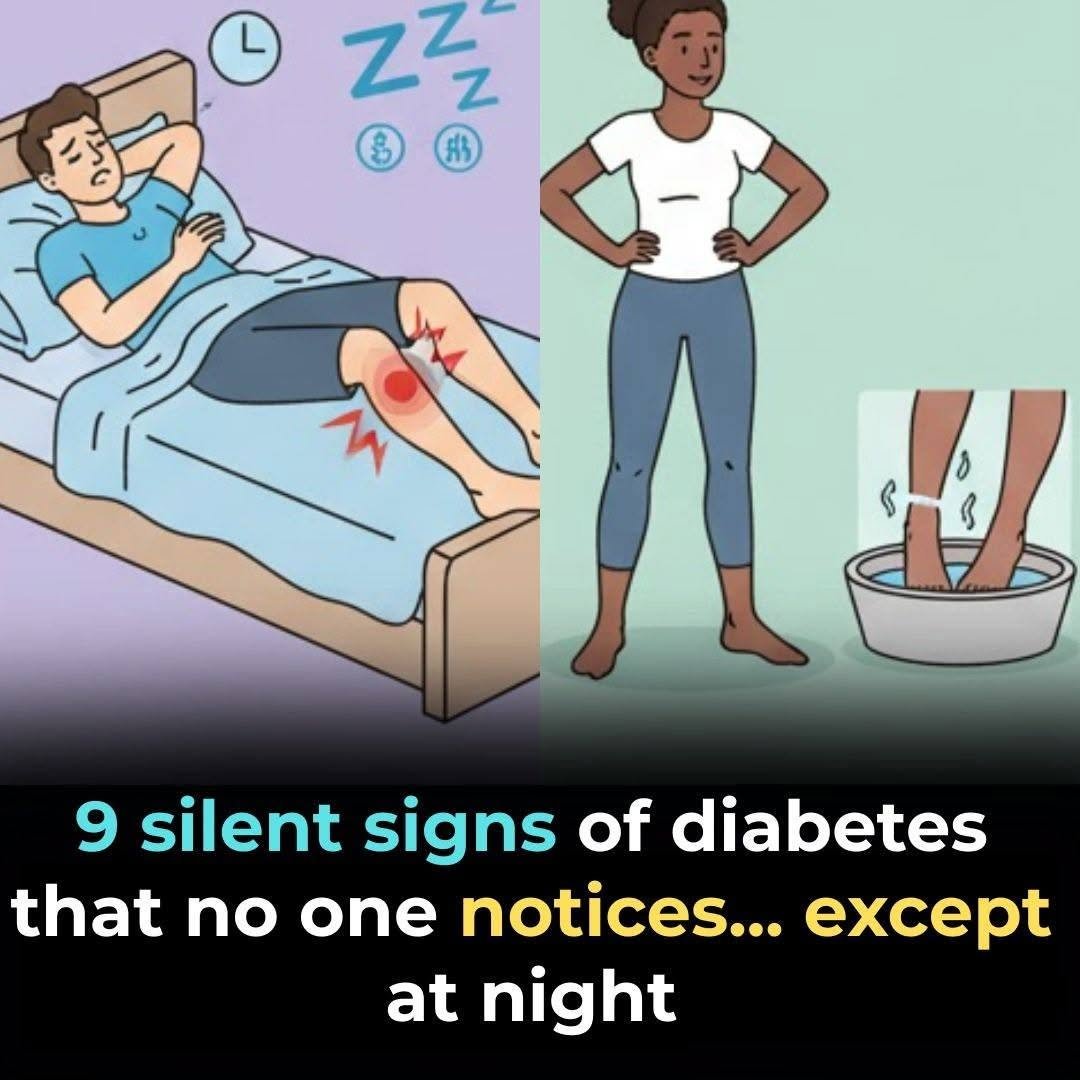
When blood sugar levels remain elevated over time, the body attempts to compensate, leading to distinct physiological disruptions that often become most apparent at night. While daytime symptoms can sometimes be easy to brush off amidst daily activities, nighttime symptoms can actively disrupt your sleep cycle.
Recognizing these nocturnal warning signs can prompt early medical screening and intervention. Here are 9 signs of diabetes you may notice at night:
1. Nocturia (Frequent Nighttime Urination)
-
Why it happens: When excess glucose (sugar) builds up in your bloodstream, your kidneys work overtime to filter and absorb it. When they can’t keep up, the excess sugar spills into your urine, dragging fluids with it osmotic-style. This leads to producing a much higher volume of urine, waking you up multiple times a night to use the bathroom.
2. Intense Nocturnal Thirst (Polydipsia)
-
Why it happens: Because your body is losing large amounts of fluid through frequent nighttime urination, your brain triggers an intense survival signal: thirst. Waking up repeatedly with a dry mouth and a desperate need to gulp water is a classic hallmark of high blood sugar.
3. Nighttime Leg Cramps and Restless Legs
-
Why it happens: Fluctuating fluid levels, electrolyte imbalances (such as shifts in potassium, magnesium, or sodium caused by frequent urination), and early nerve irritation can trigger painful calf cramps or a creepy-crawly, restless sensation in the legs just as you try to relax for sleep.
4. Numbness, Tingling, or Burning Feet (Peripheral Neuropathy)
-
Why it happens: Chronically high blood sugar damages the small blood vessels that nourish your peripheral nerves. While this can happen anywhere, the feet and toes are most commonly affected. In the quiet of the night, when distractions fade, the nerve damage often manifests as a distinct pins-and-needles sensation, numbness, or a burning pain.
5. Unexplained Night Sweats and Hot Flashes
-
Why it happens: Uncontrolled blood sugar can affect the autonomic nervous system, which regulates body temperature and sweating. Additionally, if blood sugar drops too low during the night (nocturnal hypoglycemia—often seen in people taking certain diabetes medications), it triggers a rush of counter-regulatory stress hormones like adrenaline, resulting in sudden night sweats and clamminess.
6. Nocturnal Hypoglycemia Symptoms (Vivid Nightmares or Awakening Shaking)
-
Why it happens: If you take insulin or secretagogues, your blood sugar can drop too low while you sleep. To rescue you from a dangerous hypoglycemic dip, your body floods your system with adrenaline, which can jerk you awake with a rapid heartbeat, severe shaking, confusion, anxiety, or vivid, disturbing nightmares.
7. Insomnia and Fragmented Sleep
-
Why it happens: Constant interruptions from getting up to urinate, dealing with burning or cramping feet, and experiencing temperature fluctuations or blood sugar spikes/drops make it nearly impossible to cycle into deep, restorative slow-wave sleep. Chronic fatigue the next day is often the result of this unrecognized nighttime disruption.
8. Dry, Itchy Skin and Irritation
-
Why it happens: Chronic dehydration (caused by fluid loss) combined with poor micro-circulation and yeast overgrowth linked to high sugar levels can make the skin feel excessively dry and itchy, particularly around the lower legs and feet, keeping you scratching when you should be resting.
9. Nocturnal Acid Reflux (GERD) and Digestive Slowdown
-
Why it happens: Uncontrolled diabetes can cause gastroparesis—a condition where the stomach empties its contents much slower due to nerve damage in the digestive tract. Eating dinner and lying down to sleep when digestion is severely delayed can lead to severe nighttime acid reflux, heartburn, and nausea.
Medical Caution: Experiencing a combination of these nighttime symptoms—especially frequent nighttime urination paired with unquenchable thirst—is a clear signal to visit your doctor for a simple fasting blood glucose or A1c test.
