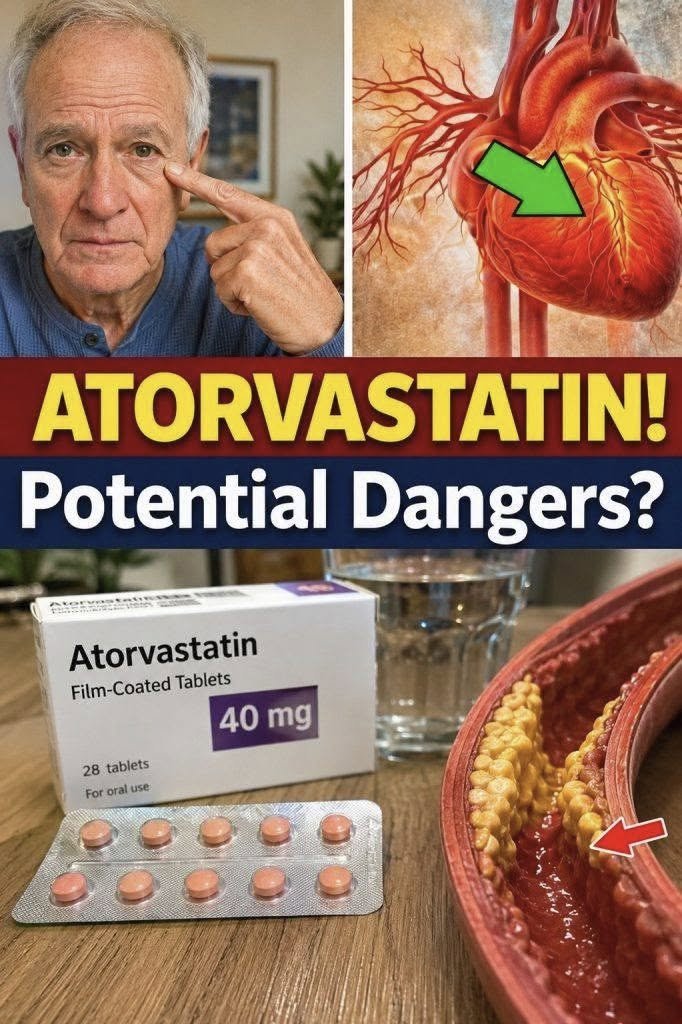
Atorvastatin (commonly sold under the brand name Lipitor) is one of the most widely prescribed statin medications in the world. It works by inhibiting HMG-CoA reductase, a key enzyme in the liver responsible for producing cholesterol, thereby lowering LDL (“bad”) cholesterol, triglycerides, and reducing the overall risk of heart attacks and strokes.
While it is generally safe and well-tolerated, understanding its potential side effects and management strategies is key to using it safely. Here are 15 essential things worth knowing about atorvastatin:
1. Muscle Pain and Aches Are the Most Common Side Effect
Muscle pain, tenderness, or weakness (known as myalgia) is the most frequently reported side effect of statins. It typically feels like a dull, aching soreness or stiffness similar to post-workout strain, most commonly affecting large muscle groups like the thighs, shoulders, or lower back.
2. Muscle Symptoms Usually Appear Early
Statins-related muscle aches generally manifest within the first 2 to 6 weeks of starting the medication or after a dose increase. If muscle soreness starts suddenly after years of an unchanged dose, it may be due to another cause.
3. Severe Muscle Damage (Rhabdomyolysis) is Extremely Rare
While mild aches are common, rhabdomyolysis—a severe breakdown of muscle tissue that releases proteins into the bloodstream, potentially leading to kidney damage—is exceptionally rare (affecting fewer than 1 in 10,000 people). Red-flag signs include severe muscle weakness accompanied by unusually dark or tea-colored urine.
4. Coenzyme Q10 (CoQ10) Depletion
Statins block the pathway in the liver that produces cholesterol, which happens to be the same pathway responsible for synthesizing CoQ10—a critical nutrient for cellular energy in muscle tissue. Many clinicians suggest CoQ10 supplementation to help alleviate mild statin-induced muscle stiffness, though individual responses vary.
5. Mild Liver Enzyme Elevation Can Occur
Atorvastatin is processed by the liver, and it can cause a transient, mild elevation in liver enzymes (AST and ALT). Routine blood panels before starting and periodically during treatment help monitor liver function, though serious liver toxicity is very rare.
6. Digestive Upsets Are Common at First
During the first few weeks of treatment, some individuals experience mild gastrointestinal side effects, including nausea, bloating, gas, indigestion, constipation, or mild diarrhea. Taking the dose with food can help minimize stomach discomfort.
7. Blood Sugar and HbA1c Levels May Shift Slightly
Statins can cause a subtle increase in blood glucose levels and HbA1c. While this may slightly increase the risk of developing type 2 diabetes in high-risk individuals, the cardiovascular protection offered by atorvastatin almost always outweighs this minor risk.
8. Temporary “Brain Fog” or Memory Shifts
Some patients report mild, temporary cognitive shifts—such as subtle memory lapse, confusion, or “brain fog”—after starting atorvastatin. These symptoms are generally mild, fully reversible upon stopping or changing the dose, and are not linked to permanent cognitive decline.
9. Grapefruit and Grapefruit Juice Interact Strongly
Grapefruit contains compounds that inhibit CYP3A4, the primary liver enzyme responsible for breaking down atorvastatin. Consuming significant amounts of grapefruit juice causes the drug to accumulate in your bloodstream, significantly increasing the risk of muscle toxicity and side effects.
10. Timing Matters Less Than Consistency
Unlike older statins (such as simvastatin or pravastatin) that must be taken at bedtime due to their short half-life, atorvastatin has a long half-life (14–24 hours). This means you can take it at any time of day—morning or night—as long as you stay consistent.
11. Alcohol Consumption Should Be Moderate
Because both alcohol and atorvastatin are processed by the liver, heavy drinking while taking statins places excess stress on liver cells and elevates the risk of liver damage and muscle toxicity.
12. Drug Interactions Can Heighten Risks
Certain medications alter how the liver processes atorvastatin, raising drug levels in the body. Important interactions include specific antibiotics (like erythromycin or clarithromycin), antifungal medications, fibrates (like gemfibrozil), and certain heart/blood pressure drugs. Always disclose all prescriptions and supplements to your doctor or pharmacist.
13. Unexplained Fatigue and Sleep Disturbance
Some users report feeling a general sense of low energy or mild fatigue. Less frequently, statins can cause vivid dreams, restlessness, or trouble sleeping, especially if taken late in the evening.
14. Skin Reactions and Joint Discomfort
Mild skin rashes, itching, or occasional joint stiffness (arthralgia) are recognized, less common side effects. Gentle skin moisturizers and staying well-hydrated can help manage mild dryness or joint stiffness.
15. Never Stop Taking It Abruptly Without Consulting Your Doctor
If you experience uncomfortable side effects, avoid stopping the medication cold turkey. Abruptly stopping statins can cause cholesterol levels to rebound, raising your cardiovascular risk. Doctors can easily adjust the dose, switch to a different statin (like rosuvastatin or pravastatin), or prescribe alternative cholesterol-lowering options that you tolerate much better.
